Last updated: April 2026
"Is San Carlos safe?" is the most-searched question about this destination. The word Sonora triggers alarm in people who have heard about the border situation but have never been here. Here is an honest answer — not a reassuring one designed to get you to book, but an accurate one based on reality and two decades on this coast.
Yes — San Carlos, Sonora is safe for tourists in 2026. The town sits in southern Sonora, 200 miles south of the US border, and has had no significant cartel activity. The US State Department issues a Level 2 advisory for the state of Sonora overall (the same level as France or the UK), but San Carlos itself is regularly visited by American snowbirds and retirees without incident. Standard travel precautions apply (don't flash valuables, use registered taxis, don't drive at night between cities) — exactly as you would anywhere in Mexico. Below is the longer answer — including the State Department advisory in context, what the road from the US looks like, and practical tips.
What the State Department Advisory Actually Says
The US State Department rates Mexico travel advisories by state, not by city or region. Sonora is currently rated Level 2: Exercise Increased Caution — the same level assigned to France, Germany, the UK, Belgium, and most of Western Europe. Level 2 does not mean "do not go." It means be aware that crime exists and take normal precautions.
The State Department's Sonora advisory text specifically notes that most incidents occur in areas near the US border — Nogales, Agua Prieta, and the border municipalities. San Carlos is 200 miles south of the border. The advisory acknowledges that tourist areas in Sonora operate differently from border zones. Read the full advisory text, not just the headline level number.
Is San Carlos Mexico Dangerous?
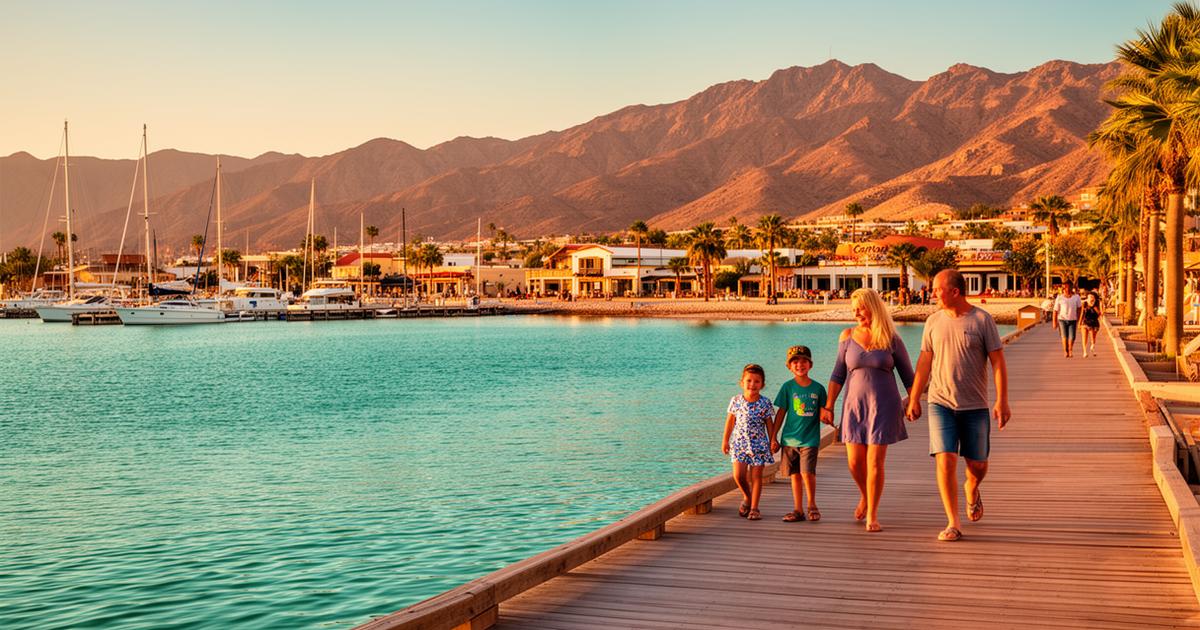
In the context relevant to tourists: no. San Carlos (officially San Carlos Nuevo Guaymas) is a residential and tourist beach community that functions as the primary Pacific coast destination for northwest Mexico. It is not a border town. It is not a transit corridor. It is a place where Mexican families from Hermosillo, Obregón, and Nogales have vacation homes, where American and Canadian snowbirds return every winter, and where the marina has boats from the US on permanent moorings.
The tourist zone — the marina, the main beach restaurants, the hotel area — is active, visible, and well-maintained. Nothing about the physical experience of San Carlos reads as dangerous.
Is It Safe to Drive to San Carlos from the US?
Most American visitors drive to San Carlos via Nogales, taking Highway 15 south — a divided federal toll road in good condition for its entire length from the border to Guaymas.
Practical driving tips: cross the border in the morning, not at night. Travel during daylight hours — not because the road is unsafe after dark, but because Sonoran desert wildlife (cattle, deer) on the road at night is a real hazard. Have Mexican auto insurance before you cross — US insurance is not valid in Mexico. Get your Tourist Vehicle Permit (TIP) at the border. Total tolls from Nogales to Guaymas run approximately $30–40 USD.
Drive times: Nogales to San Carlos is about 3.5–4 hours. Tucson to San Carlos: 4.5 hours. Phoenix to San Carlos: 5.5 hours.
Full driving guide with border crossing, TIP, insurance, and toll details: How to get to San Carlos from the US.
Safety Tips Specific to San Carlos
- Do not leave valuables visible in parked vehicles. This is the most common issue and is avoidable.
- Travel the highway during daylight hours. Wildlife on the road at night is the primary hazard, not crime.
- Mexican auto insurance is not optional. Buy it online before you cross — $15–30 USD per week.
- Get a Tourist Vehicle Permit (TIP) at the border if your vehicle will go beyond the free zone. Required by law.
- The marina and main tourist areas are safe in the evening. Dark stretches of beach and isolated areas carry the same caution as any destination.
- Bringing a boat? Firearms regulations for private vessels in Mexico are strict and seriously enforced. Research this carefully before crossing with any weapons.
Medical Facilities Near San Carlos
San Carlos has a small clinic for minor emergencies. Hospital General de Guaymas is 20 minutes away and handles most situations adequately. For major trauma or specialized care, CIMA Hermosillo is a private hospital 2 hours north with US-standard facilities and English-speaking staff. Travel insurance with medical evacuation coverage is a reasonable precaution for any Mexico trip.
San Carlos vs Other Sonora Destinations — Safety Comparison
Hermosillo: Sonora's capital (1 million people) is a modern Mexican city with malls, universities, and a functioning urban infrastructure. Apply normal big-city precautions — avoid unfamiliar neighborhoods at night, keep valuables out of sight. The tourist-relevant areas (restaurants, hotels, the Centro Ecológico) are safe.
Guaymas: The port city 20 minutes from San Carlos. More working-class than San Carlos, less polished, but the historic center and waterfront are fine during the day. Don't walk the port area at night. Most visitors pass through Guaymas en route to San Carlos without stopping.
Bahía de Kino: A small fishing village 100 km west of Hermosillo. Similar safety profile to San Carlos — quiet, residential, with a small expat presence. The Seri community at Punta Chueca is welcoming to respectful visitors. The road from Hermosillo is well-maintained.
All three are significantly different from the border zones that generate the safety headlines about Sonora. The relevant comparison is beach towns, not the state as a whole.
Frequently Asked Questions About San Carlos Safety
Yes. As of 2026, San Carlos operates as a normal beach resort community. The State Department Level 2 advisory covers all of Sonora but specifically notes that most incidents occur near the US border — San Carlos is 200 miles south of the border, in a completely different context. Thousands of American and Canadian tourists visit every year without incident.
Yes. Highway 15 from Nogales to Guaymas is a divided federal toll road in good condition. Drive during daylight hours, carry Mexican auto insurance, get your Tourist Vehicle Permit at the border, and keep vehicle documents accessible for routine Guardia Nacional checkpoints. The drive takes about 3.5 to 4 hours.
No more than any comparable beach destination in Mexico. San Carlos has a large permanent American and Canadian expat community, English-language services, and a well-maintained tourist zone. Apply common travel sense: don't leave valuables in vehicles, stay in lit areas at night.
Yes — it has been for decades. San Carlos has a large community of American and Canadian snowbirds who return every winter. There are English-language services, bilingual businesses, and American boats permanently moored in the marina.
San Carlos has a clinic for minor issues. Hospital General de Guaymas is 20 minutes away. CIMA Hermosillo — a private hospital with English-speaking staff and US-standard care — is 2 hours north. Travel insurance with medical evacuation is recommended for any Mexico trip.
In the main tourist areas — marina, beach restaurants, hotel zone — yes, without concern. Apply the same judgment you would anywhere: stay in lit areas, be aware of your surroundings, avoid isolated stretches at night.
Sonora is rated Level 2: Exercise Increased Caution — the same level as France, Germany, and the UK. The advisory specifically notes that incidents are concentrated near the US border. San Carlos is not flagged specifically. Read the full advisory text, not just the headline level.