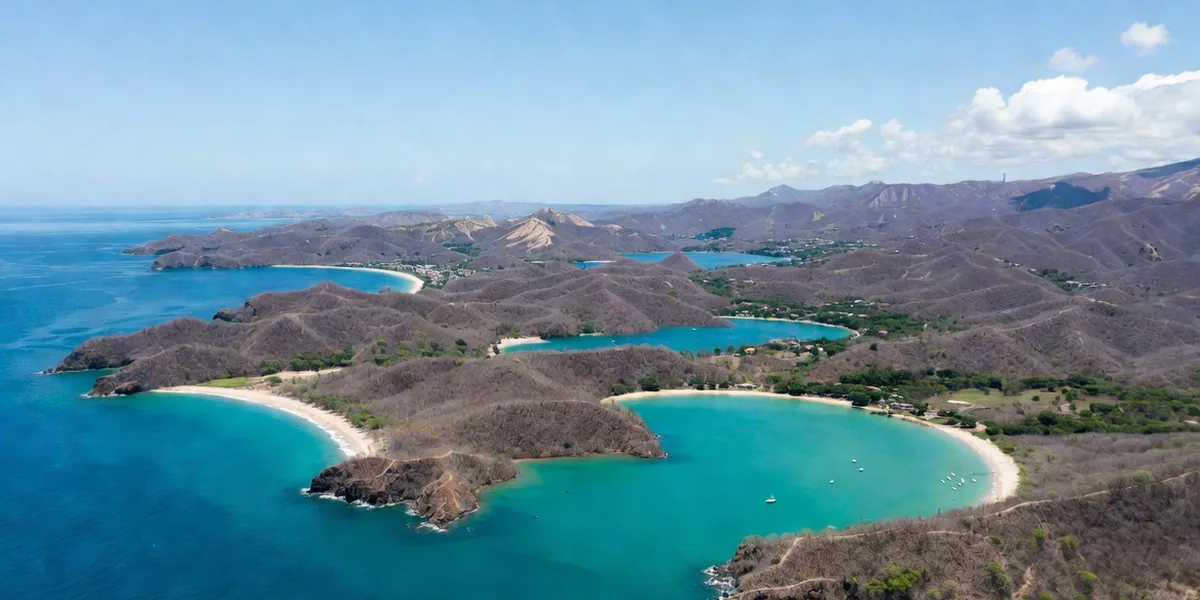
Huatulco is the Oaxacan coast's most developed resort destination and also, paradoxically, its most protected one. The nine bays and 36 beaches of Bahías de Huatulco sit inside a UNESCO Biosphere Reserve and a federal national park — no large-scale development is allowed within the bays themselves, and the water clarity that results from that protection is the reason snorkeling here is some of the best on Mexico's Pacific coast.
The contrast with Puerto Escondido or the pueblo villages is significant. Huatulco has the international airport, the all-inclusive resorts, the golf course, the marina, and organized tour infrastructure. It also has bay water calm enough to snorkel without a guide and beaches accessible only by boat. Dismissing Huatulco as "just a resort town" misses what makes it genuinely worth time.
The Nine Bays
The bays run east to west from Conejos to San Agustín. They are not equally accessible or equally interesting. Here is what matters most about the ones worth visiting.
Bahía Santa Cruz
The main bay and practical center of Huatulco's tourism zone. The marina is here, along with most boat tour departures, dive operators, and the cluster of restaurants connecting La Crucecita to the water. Santa Cruz beach itself is serviceable but not the bay's best offering — the value is logistics. Most visitors pass through on the way to somewhere more interesting.
Bahía La Entrega
The best snorkeling bay accessible by land. La Entrega is a small cove with calm water, a reef that starts very close to shore, and parrotfish, angelfish, needlefish, and occasional sea turtles. Snorkel rental is inexpensive, entry is straightforward, and visibility is usually excellent. A family with children who snorkel can spend most of a day here. This is the bay to visit first.
Bahía Chachacual
Accessible by boat only — no road reaches it. The ride from Santa Cruz marina takes about 30 minutes. What you get is a bay inside the national park with no commercial development, white sand, clear blue water, and near-total absence of other visitors outside organized tour groups. The rocky points at either end have good snorkeling. This is the bay for the traveler who came to see something undeveloped — Chachacual delivers it.
Bahía San Agustín
The westernmost major bay, reached by a dirt road requiring high-clearance vehicle or a boat. A small fishing village: actual families, seafood palapa restaurants serving the morning catch, a beach backed by mangrove lagoon. The food at the palapas is excellent and inexpensive. San Agustín feels more like the Oaxacan coast and less like a resort destination than any other bay in the system. With a rental car with clearance, it is worth the road.
La Crucecita
The planned town built to house Huatulco's workers and services — an unusual model in Mexican resort development that has produced something genuinely interesting. La Crucecita has a real zócalo, a market, several dozen restaurants and cafes, and the kind of daily-life activity that the resort zone of Tangolunda lacks. The Parroquia de Nuestra Señora de Guadalupe on the main plaza has a ceiling mural of the Virgin of Guadalupe among the largest in Mexico — worth five minutes looking up.
La Crucecita is also where the better restaurants are. The resort zone eats at resort prices. La Crucecita eats at local prices with comparable or better quality. Eat in the zócalo area at least once.
La Crucecita restaurants, prices, and specific recommendations: Huatulco things to do.
What to Do
Bay Boat Tour
The standard offering: a catamaran or panga visiting three to five bays over four to five hours, with snorkel stops and time on a beach. These range from perfectly fine to genuinely good depending on the operator. Book through a dive shop or reputable tour operator rather than the beach hustlers at Santa Cruz marina. The difference in equipment quality and guide knowledge is significant.
Scuba Diving
Huatulco has more dive sites and better-established dive infrastructure than anywhere else on the Oaxacan coast. Sites include rocky reefs, a couple of wrecks, and a marine canyon at El Bajo that is the most interesting dive in the system. Visibility averages 20–30 feet but can reach 50+ in dry season. Several PADI-certified dive shops operate from Santa Cruz and La Crucecita. Two-tank dives run $70–90 USD.
Coffee Tour
One of the most underused activities in Huatulco and the one that connects visitors most directly to the broader Oaxacan context. The mountains above Huatulco produce high-altitude shade-grown coffee that has developed a real reputation among specialty buyers. Several farms offer half-day or full-day tours covering the full process from harvest to roasting to cupping, usually combined with a community visit and a meal. Book ahead — the better farms have limited capacity.
Where to Eat
In La Crucecita
El Sabor de Oaxaca on the zócalo is the standard recommendation for a reason: it serves the full Oaxacan pantry — tlayudas, mole negro, tasajo, enfrijoladas — at honest prices with a terrace on the main plaza. The tlayuda with tasajo is the order. Los Portales on the north side of the zócalo is the older, slightly more formal version of the same thing, with a better mezcal selection.
At the Bays
The palapa restaurants at Bahía San Agustín are the best seafood value in the system. Order whatever came in that morning — the cook will tell you. The caldo de camarón here uses the whole shrimp and real stock. Plan two hours minimum. At La Entrega, the palapa food is decent and convenient — nobody comes specifically for the food, but the fresh fish is solid.
Getting There and Getting Around
Bahías de Huatulco International Airport (HUX) is 15 minutes from the hotel zone. Direct flights from Mexico City on Aeroméxico, Volaris, and VivaAerobus. Some seasonal US flights — check schedules, they change. From Puerto Escondido: approximately 2 hours by car on Highway 200 — manageable and scenic.
Within Huatulco: taxis are the practical option between Santa Cruz, La Crucecita, and Tangolunda. Rental cars from HUX are worthwhile if you plan to reach San Agustín bay or explore beyond the main zones.
Frequently Asked Questions
Nine bays total, containing 36 individual beaches. The national park protects the entire coastline — no large-scale construction is permitted in or around the bays. Some bays are accessible by road; most are accessible by boat.
For snorkeling: Playa La Entrega — calm, clear water, good reef fish, easy access. For scenery without the crowds: Bahía Chachacual, accessible by boat only. For families with children: Bahía Tangolunda, calm water and facilities nearby.
They are different destinations, not competing ones. Puerto Escondido is rawer, surf-oriented, and more backpacker-friendly. Huatulco has resort infrastructure, calmer water in the protected bays, an international airport, and a more organized tourism structure. Which is better depends entirely on what you came for.
November through April — dry season. Clear skies, calm bay waters ideal for snorkeling, temperatures in the low-to-mid 80s°F. Peak season is December–January. May–June is excellent shoulder season: less crowded, lower prices, still largely dry.
Yes. Huatulco is one of the more stable resort destinations on the Pacific coast. The tourism zone and the bays have a consistent safety record. Standard precautions apply everywhere in Mexico, but Huatulco does not have the issues that affect some other coastal destinations.
Yes. Bahías de Huatulco International Airport (HUX) has direct flights from Mexico City on multiple carriers. Some seasonal flights from US cities operate during peak season. Check schedules — HUX is much smaller than Cancún or Los Cabos and flight options are more limited.