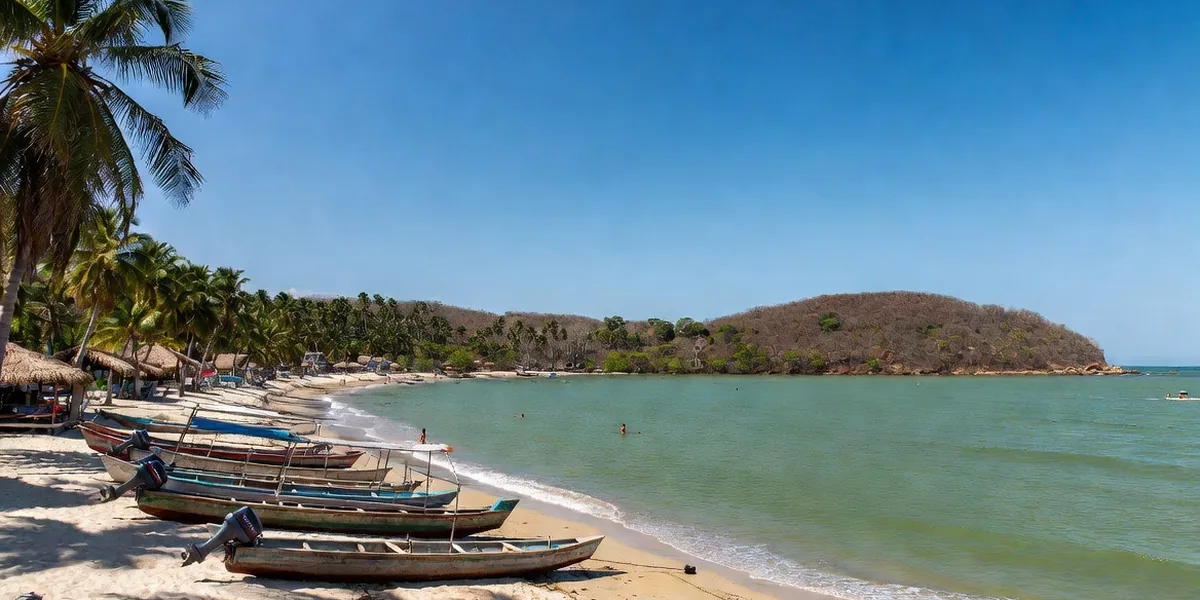
Mazunte has undergone a more complete transformation than almost any other small beach town in Mexico. Twenty years ago it was a turtle-processing village — the factory that turned sea turtle products into commercial goods. The factory closed, the sea turtles received full protection, and the community reinvented itself around organic cosmetics, ecotourism, and an increasingly dense yoga retreat culture that has attracted practitioners and teachers from across the world.
The result is genuinely interesting and occasionally absurd in equal measure. The yoga culture in Mazunte has produced some legitimate teachers and retreats alongside some aggressively priced spiritual experiences of debatable value. The town's relationship with its original community is complicated. The sunsets are unambiguously extraordinary.
The right approach to Mazunte: take the natural assets seriously — they are real — be selective about the wellness offerings, eat at the local spots rather than the retreat restaurants, and spend at least one morning watching sea turtles.
The Turtle Sanctuary
The Centro Mexicano de la Tortuga is one of the most important sea turtle research and conservation centers in Mexico, located directly on the beach in Mazunte. It houses living specimens of all seven sea turtle species found in Mexican waters alongside research programs that have contributed significantly to the recovery of several endangered populations.
Visiting hours run morning and afternoon. Entry is under $5 USD and goes directly to the conservation program. A guided tour explains the biology, ecology, and conservation status of each species. The tank with adult leatherback sea turtles — the largest reptile alive — produces a reliable sense of scale adjustment.
From July through December, nesting sea turtles come ashore on the Mazunte beach at night. Guided night tours from the sanctuary allow visitors to observe nesting without disturbing the turtles. Tours are conducted in small groups with strict protocols. Book in advance during peak nesting season (September–November).
Turtle nesting season and how to book observation tours: Mazunte things to do.
The Yoga and Wellness Scene
Mazunte has accumulated a concentration of yoga studios, retreat centers, and wellness practitioners that rivals Tulum by proportion for a town of its size. The range runs from Ashtanga masters who have been teaching in Mazunte for fifteen years to weekend ceremony leaders of ambiguous credential charging $200 for a cacao experience.
How to navigate it: look for instructors who have been in Mazunte for multiple years and have a local reputation. Ask at your accommodation for specific recommendations rather than booking from a search result. The multi-day retreats that include accommodation, meals, and multiple daily practices tend to offer better value per experience than single-session drop-ins at the higher end of the price range.
Worth considering in the wellness category: a sunrise yoga class on the beach or rooftop (Azul Profundo and Hridaya Yoga have established reputations), a traditional temazcal with a practitioner who has trained for it rather than learned the format in Tulum, and a mezcal tasting with a local producer.
The Natural Landscape
Mazunte's beach is smaller and calmer than Zipolite — more protected from the full Pacific swell. Swimmable in calm conditions, though Pacific caution always applies. The real natural asset is the surrounding landscape: coastal hills covered in tropical dry forest, the point at Punta Cometa (the southernmost point of Oaxaca), and the estuary lagoon system east of town with significant birdlife.
A 20-minute walk east reaches Playa Mermejita — a wild, usually empty crescent of dark sand backed by dramatic cliffs. Not safe for swimming, but one of the most cinematically beautiful beaches on the entire Oaxacan coast.
The sunset at Punta Cometa, 2 km west of Mazunte, is one of the best on the entire Mexican Pacific: Punta Cometa sunset guide.
Eating in Mazunte
The food in Mazunte bifurcates sharply. On one side: the retreat center restaurants serving açai bowls, raw food plates, and kombucha at prices that make the wellness markup visible. On the other: the local comedores on the side streets serving tlayudas, tamales oaxaqueños, and fresh fish at local prices.
El Aguamiel threads the needle — honest local cooking with a small daily-changing menu, reasonable prices, and a terrace that catches the evening breeze. The agua de tamarind and the enfrijoladas are both worth ordering. Natural Mystic is the reliable mezcal bar: good selection from small Oaxacan producers and a pace appropriate for a long evening.
Frequently Asked Questions
Three things primarily: the Centro Mexicano de la Tortuga (sea turtle research and conservation center), the yoga and wellness retreat culture that has developed over the past two decades, and the sunset from Punta Cometa — the southernmost point of Oaxaca state. Also: natural cosmetics made by the local cooperative.
Yes. The turtle sanctuary has living specimens year-round. From July through December, wild sea turtles nest on the Mazunte beach — guided night observation tours are available through the sanctuary. Book ahead for September through November peak nesting.
It has one of the highest concentrations of yoga teachers and retreat centers in Pacific Mexico. Quality varies significantly. Hridaya Yoga and Azul Profundo are established programs with real credibility. For shorter visits, ask at accommodation for current recommendations rather than booking blind.
About 70 km east. Standard journey: taxi or colectivo to Pochutla (the transport hub), then colectivo or mototaxi the final 15 km along the coastal road. Total time from Puerto Escondido: 1.5–2 hours depending on connections.
The main Mazunte beach is more protected than Zipolite but Pacific caution applies. Conditions vary day to day. Ask locally before entering. Playa Mermejita (20 min walk east) is beautiful but not safe for swimming.