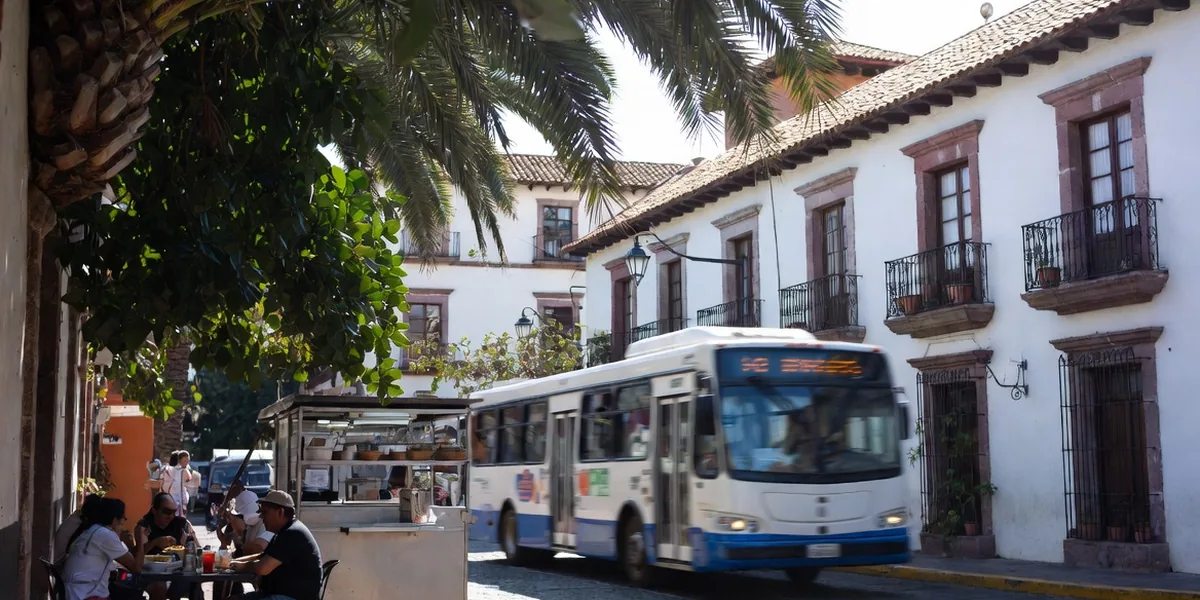
Short answer: Yes — Puerto Vallarta is worth visiting in 2026, and it is still the best-value beach city in Mexico. Better food than Los Cabos, more culture than Cancún, lower prices than both, a walkable downtown that is genuinely rare among Mexican beach destinations, and a malecón that locals actually use. The trade-offs: the beaches inside the bay are not the Caribbean (sand is brown-gold, water is bay-calm, not turquoise), the rainy season runs June through October, and the tourist fee is now strictly enforced. The rest of this page is the honest 2026 breakdown — neighborhoods, safety, costs, beaches, food, what is new, and how to actually plan the trip.
New to Puerto Vallarta? Start with the complete Puerto Vallarta guide.
Puerto Vallarta is the Mexican beach city I send people to when they have done Cancún and want something with a soul. The food in Zona Romántica is better than anywhere on the Caribbean side, the walkability is real, and the bay itself is a different kind of beauty than the turquoise water at Cancún. Stay in Zona Romántica, eat your way through it, take a water taxi to Las Ánimas one day, and ignore the all-inclusive marketing — PV is the rare Mexican beach city where leaving your hotel is the entire point.
Is Puerto Vallarta Worth Visiting in 2026?
Yes — with caveats that matter. PV in 2026 is still one of the best-value beach destinations in Mexico, and it has held its character better than Cancún or Los Cabos through the post-pandemic tourism boom. The reasons it works:
- The food. Zona Romántica has the best restaurant-per-block ratio of any Mexican beach city — better than Playa del Carmen, better than Los Cabos, comparable to Mexico City in a much smaller footprint.
- Walkability. Downtown PV, Zona Romántica, and the malecón are all walkable as a single zone. You can spend a week without renting a car or taking more than two taxis.
- Value. 20–40% cheaper than Cancún or Cabo for equivalent hotel and restaurant quality. The math compounds over a week.
- No sargassum. Pacific coast — the seaweed that ruins Caribbean summer beaches is not a factor here.
- Real city, real population. PV is not a planned resort strip. There is a downtown, a working-class neighborhood, a cathedral, a market, and an actual local life. It feels like a city you are visiting rather than a vacation product.
What works against PV: the in-bay beaches are not the dramatic turquoise water of the Caribbean (the sand is gold-brown, the water is bay-calm rather than wave-bright), the rainy season is genuinely rainy (June through October has afternoon thunderstorms most days), and the airport puts you in the Hotel Zone, which is the least interesting part of the city for first-time arrivals. None of these are dealbreakers — but worth knowing.
The Tourist Fee — What It Is and How to Pay
Puerto Vallarta now charges an environmental tourist fee of approximately $5 USD per person per trip, collected at the airport for those arriving by air. If you drove in, you pay at designated collection points on the main access road. The fee funds beach maintenance, public infrastructure, and the environmental programs the city uses to manage Banderas Bay. It is not optional and enforcement has increased since 2024. Pay it when prompted — the process takes under two minutes.
Pro tip: you can pay online before arrival at the official Visitax portal, which lets you skip the airport line entirely. Save the QR code to your phone. The on-site line at PVR has improved but can still add 10–20 minutes during peak arrival waves.
Where to Stay: Downtown vs Marina vs Hotel Zone in Puerto Vallarta
Puerto Vallarta's geography matters more than in most resort cities because each zone has a completely different character and price point.
Zona Romántica (Old Town / Colonia Emiliano Zapata) is south of the Cuale River and is the neighborhood with the best restaurant-to-block ratio in all of PV. This is where most of the LGBTQ+ community centers and where the best breakfast spots, the most creative restaurants, and the most affordable boutique hotels are. If you have no particular reason to stay in the Hotel Zone, stay here. Hotel range: $90–250/night for solid mid-range to upper-mid boutique.
El Centro (Downtown) is the original city: the malecón, the cathedral, the old cobblestone streets, and a high concentration of good independent restaurants. It is loud, walkable, and full of life. Best for travelers who want to feel like they are in a Mexican city rather than a resort. Hotel range: $80–200/night.
Hotel Zone (Zona Hotelera) runs north of downtown along the bay. The big all-inclusive resorts are here — Westin, Marriott, Hyatt, Fiesta Americana, Sheraton. Convenient if you want a resort experience with easy beach access. Expensive and somewhat characterless compared to the neighborhoods south of the malecón. Hotel range: $200–500/night, often as all-inclusive packages.
Marina Vallarta is further north, organized around a yacht marina. International chain restaurants, golf, upscale condos. The beach here is the least attractive in PV — narrow, affected by bay sediment. Skip unless you are specifically staying at a Marina Vallarta hotel.
Conchas Chinas is south of Zona Romántica on the cliffs above the bay. Quieter, more residential, with some of the most spectacular bay views in PV. Mostly Airbnb rentals and small luxury hotels. Best for travelers who want a quieter, view-focused stay and do not mind a short uphill walk or taxi to the action.
Stay in Zona Romántica if you are eating your way through the city. Stay in the Hotel Zone if you want a big pool and beach access without moving. Downtown is best if you want the malecón and the cultural sites on foot. See the neighborhoods guide.
Is Puerto Vallarta Safe in 2026?
Yes. Puerto Vallarta is one of the safest Mexican beach destinations for tourists, and the tourist zones in particular have very low violent crime rates compared to the national average. The malecón, Zona Romántica, El Centro, and Hotel Zone are all heavily patrolled and well-lit. Tourist police are visible day and night along the malecón and Fifth Avenue equivalents.
The standard precautions apply: stay in tourist areas after dark, use authorized taxis or Uber (which works reliably citywide), do not flash expensive jewelry or large amounts of cash, and avoid buying drugs from strangers. The bigger risk in PV is petty theft from beach chairs while swimming and over-billing at unmarked taxis — both avoidable.
The US State Department's travel advisory for Jalisco is "Reconsider Travel" but the advisory text itself notes that tourist areas of Puerto Vallarta are not the areas of concern. Hundreds of thousands of US and Canadian visitors come every year without incident.
How Expensive Is Puerto Vallarta?
PV is 20–40% cheaper than Cancún or Los Cabos for equivalent quality. Real numbers for a typical 2026 trip:
- Flights from US: $250–500 round trip from most major cities. Direct flights from LA, Dallas, Houston, Phoenix, Denver, Chicago, NYC, and more.
- Mid-range hotel in Zona Romántica: $90–180/night for solid boutique.
- Hotel Zone all-inclusive: $200–400/night per couple, all food and drinks included.
- Restaurant dinner for two with drinks: $25–50 in Zona Romántica, $40–80 upscale, $5–10 at street tacos.
- Breakfast: $8–15 per person at a good independent spot, often less.
- Uber across the city: $3–7 for most rides.
- Beach club day pass: $20–50 depending on the spot (Las Ánimas, Mantamar, La Palapa).
- Water taxi round trip to Las Ánimas: $15–20.
- Sunset Marietas Islands tour: $90–120 per person.
- Rental car: $25–35/day + mandatory Mexican insurance ($15–25/day).
Budget travelers can do PV on $80–120/day all-in (Zona Romántica boutique, street food, public transport). Mid-range travelers run $150–250/day comfortably. All-inclusive resort travelers pay $200–400/day per couple for the full package.
The Best Beaches in Puerto Vallarta 2026
Banderas Bay is a 30-mile arc with the city in the middle. The beaches in town are pleasant but not the main event — the real beach experience is south of the city, reached by water taxi.
Playa Los Muertos is the most accessible public beach in Zona Romántica — beach clubs, food vendors, clear water, and a consistent crowd. The pier is the landmark. Good for a full beach day without renting a car. Beach clubs like Mantamar (LGBTQ+ focused), Burros, and Sapphire run $20–40 day passes.
Las Ánimas and Quimixto are accessible only by water taxi from the Los Muertos pier or Boca de Tomatlán. The ride is 15–45 minutes each way and the beaches are significantly less crowded, clearer water, and more authentic. The water taxis run frequently and cost $15–20 USD round trip.
Yelapa is the furthest south of the water-taxi villages, about 45 minutes from Los Muertos pier. A small fishing village with a waterfall hike, decent restaurants, and a fraction of the crowds anywhere closer to the city. Worth a full day trip.
Mismaloya (where "Night of the Iguana" was filmed) and Boca de Tomatlán are south of PV by car or bus, 20–30 minutes along the coastal highway. Smaller, more local-feeling beaches, with restaurants on the sand.
Sayulita and San Pancho are 45 minutes north by car on the Riviera Nayarit coast. Sayulita is a surf town with a different energy — worth a day trip from PV if you want something beyond the resort beach experience. Punta Mita and the Marietas Islands are also on this stretch.
See the full rundown in our Puerto Vallarta beaches guide.
The Hotel Zone (Zona Hotelera) — Honest Verdict
The Hotel Zone is the strip of all-inclusive resorts running north of downtown along the bay, from the cruise port to Marina Vallarta. It is the part of PV that is least like PV — characterless, dependent on resort amenities, and disconnected from the city the way Cancún's Hotel Zone is disconnected from downtown Cancún. The beach here is narrower and less attractive than the beaches south of the city.
That said: the Hotel Zone has its place. If your trip is genuinely about lying on a beach lounger with all-inclusive drink service and an on-property spa, the Hotel Zone works fine and the major brands (Westin Vallarta, Marriott Casa Magna, Hyatt Ziva, Sheraton Buganvilias) deliver consistent product. The all-inclusive packages also come in 30% under equivalent Cancún or Cabo properties for similar amenity levels.
The trap: travelers who stay in the Hotel Zone, book all meals on-property, and never visit Zona Romántica or the malecón. They will leave PV thinking it is "like a smaller, cheaper Cancún" and they will be wrong. If you book a Hotel Zone all-inclusive, plan at least two evenings to taxi or Uber into Zona Romántica for dinner — that is where the actual city lives.
Things to Do in Puerto Vallarta
Marietas Islands snorkel tours, whale watching (December–March), Yelapa boat trips, tequila tours, and downtown food walks — all available with English-language guides.
Where to Eat Breakfast in Puerto Vallarta
Breakfast in Puerto Vallarta is better than almost any other Mexican beach destination, and Zona Romántica is where to have it. The short list:
Café de Olla is the most consistently good breakfast spot in Zona Romántica — chilaquiles, enfrijoladas, excellent Mexican coffee, reasonable prices, and tables on the street. Arrives full by 9 AM. Go early or expect a wait.
La Palapa on Playa Los Muertos does the oceanfront breakfast well: eggs, fruit, fresh juice, and a view of the bay that justifies slightly higher prices than the street spots. Good for a slow morning.
Fredy's Tucan is the long-running Zona Romántica institution for chilaquiles and big breakfast plates. Tourist-heavy and unrushed, but consistently good and priced fairly. Open early.
The Hangover Joe's brunch is the gringo-leaning option for eggs Benedict and Bloody Marys after a late night on the malecón.
Hotel Zone breakfast: most Hotel Zone resorts offer buffet breakfast included with room rates. The buffets are decent if uninspired. If you are paying separately, the independent spots in Zona Romántica are worth the short cab or walk.
Best Restaurants in Puerto Vallarta 2026
The full breakdown is in the restaurant guide, but the highlights for 2026:
Café des Artistes remains the benchmark for fine dining in PV — French-influenced Mexican cuisine in a colonial building, reliable for a special dinner. Reserve ahead.
El Arrayán in Zona Romántica is the place for Mexican regional cooking done seriously — moles, chiles en nogada in season, a mezcal list that takes mezcal seriously. One of the best meals you will have in PV and priced accordingly at $25–40 USD per person.
La Palapa (dinner) on Playa Los Muertos is the classic beachfront dinner experience — seafood, live music, decent food at resort prices. For the experience rather than the cuisine.
Joe Jack's Fish Shack is the Zona Romántica fish taco standard — fresh, well-priced, casual. Worth a stop on the walk to Los Muertos.
Tintoque at the marina is one of the most ambitious tasting menus in PV — modern Mexican from a young chef, multi-course evenings around $80 per person. Reservation only.
Tacos Memo's in Zona Romántica for birria tacos at 1 AM — the best late-night move in the city and costs $3–4 USD per taco. A mandatory stop after any evening out.
For the best restaurants broken down by cuisine and price, see the full PV restaurant guide.
Best Time to Visit Puerto Vallarta
November through April (dry season): Sunny, low humidity, water temperature in the high 70s, very pleasant weather day and night. This is also peak tourist season — highest hotel prices, busiest restaurants, most flight availability. December through March is the most expensive stretch; book hotels 2–3 months out for the best rates.
May through October (rainy season): Daily afternoon thunderstorms June through September. Mornings are usually sunny; storms come in the late afternoon and clear by evening. Much lower hotel prices (often 30–50% under peak), green hillsides, dramatic skies, and significantly fewer tourists. Humidity is high.
Shoulder months (April, May, October, November): The sweet spot. Good weather, lower prices, fewer crowds. Late October and early November are particularly underrated.
Whale watching season: December through March. Humpback whales migrate into Banderas Bay to calve. Guaranteed sightings on a half-day boat tour for $60–90 per person — one of the best wildlife experiences in Mexico.
Getting to Puerto Vallarta
Licenciado Gustavo Díaz Ordaz International Airport (PVR) is 8 km from downtown. Direct flights from most major US and Canadian cities. The airport sits in the Hotel Zone — taxis to the Hotel Zone take 10 minutes; to Zona Romántica or El Centro, expect 20–30 minutes and $15–25 USD by authorized taxi. Uber operates in PV and is significantly cheaper than airport taxis if you are willing to walk outside the terminal to the rideshare pickup zone (look for the parking lot across the pedestrian bridge).
Renting a Car in Puerto Vallarta?
Compare rental car prices across all major agencies at PVR airport. You only need a car if you are day-tripping to Sayulita, Punta Mita, or Yelapa — but if you are, the airport pickup saves time over downtown rental offices.
Compare PV rental carsYou do not need a car in Puerto Vallarta for a standard beach trip — the taxi and Uber network covers everything. Rent a car only if you are planning day trips north to Sayulita and San Pancho or south to Mismaloya and Yelapa. Puerto Vallarta activities.
Shopping in Puerto Vallarta
Shopping in PV splits between the malecón (street stalls, Huichol art, blown glass, low-quality souvenir tourist gear) and the proper shopping centers north of downtown. The malecón is fine for browsing but mostly mediocre quality. For real shopping:
La Isla Shopping Village in the Hotel Zone is the largest open-air mall — international brands, restaurants, movie theater, and a more upscale crowd than the malecón market stalls. Full breakdown in the La Isla shopping village guide.
Galerías Vallarta is the older indoor mall — Liverpool, Sears, a food court, and the more local shopping option. Less polished than La Isla but functional.
The Cuale River Island (Isla Cuale) between downtown and Zona Romántica is the spot for higher-quality crafts, Huichol beadwork, and silver. Better than the malecón stalls for similar-feeling souvenirs.
What's New in Puerto Vallarta in 2026
The main updates since 2024:
- Tourist fee enforcement. Now consistent at PVR airport. Pay online beforehand at Visitax to skip the line.
- Malecón renovation complete. The promenade is in excellent condition, the public art installations have been well-received, and the pedestrian flow during sunset is one of the best urban beachfront experiences in Mexico.
- Two new Hotel Zone properties opened in 2025 in the northern strip — adding more all-inclusive inventory and slightly softening peak-season prices.
- Zona Romántica restaurant openings continue. Several new high-end and creative restaurants have opened in the last year, deepening what was already the best restaurant district in PV.
- Uber operates reliably citywide including the airport pickup zone. Cheaper than authorized taxis by 30–50%.
- The Riviera Nayarit (north of PV) continues to develop — Punta Mita, Sayulita, San Pancho all easier day trips than they were five years ago, but also more crowded.
What has not changed and will not: the quality of the food scene in Zona Romántica, the accessibility of the city compared to most Mexican beach destinations, the fact that it is a genuinely livable city with a real local population rather than a pure resort town, and the morning light on Banderas Bay.
How Long to Spend in Puerto Vallarta
Three nights: The minimum to get a real sense of the city. One day for the beaches and malecón, one day for Zona Romántica and serious eating, one day for a water taxi to Las Ánimas or a day trip to Sayulita.
Five to seven nights: The sweet spot for travelers who want to cover the restaurant scene properly and make a day trip or two into the Riviera Nayarit (Sayulita, Punta Mita, Marietas Islands).
Two weeks or more: Not too long if you have the time. PV has more to do than most Mexican beach cities and the city life holds up. Combine with Sayulita, San Pancho, or a stay in Yelapa for a complete Banderas Bay trip.
The Verdict — Puerto Vallarta in 2026
Puerto Vallarta is the Mexican beach city I send people to when they have done Cancún or Cabo and want something with more character, more food, and a real downtown. It is also the city I send first-timers to when they want a beach trip without the all-inclusive industrial complex. The food is the best on any Mexican coast, the walkability is rare, the value is real, and the bay itself is the kind of place that gets better the longer you stay.
The trade-offs are honest: the beaches inside the bay are not the Caribbean, the rainy season is genuinely rainy, and the Hotel Zone is the least interesting part of the city. But the city itself — Zona Romántica, El Centro, the malecón at sunset, Banderas Bay from a water taxi — is one of the best things on the Mexican Pacific coast and one of the best beach destinations in the country in 2026.
Frequently Asked Questions
Yes. Best food on the Mexican Pacific, walkable downtown, 20–40% cheaper than Cancún or Cabo, no sargassum. The Hotel Zone is fine but the city itself is the reason to come.
About $5 USD per person per trip, collected at PVR airport or by car at the main access road. Pay online at Visitax beforehand to skip the airport line.
Zona Romántica for the best food and walkability. El Centro for the malecón and cultural sites. Hotel Zone for all-inclusive resorts. Skip Marina Vallarta unless you have a specific reason.
Yes — one of the safest Mexican beach destinations for tourists. The malecón and Zona Romántica are well-patrolled day and night. Standard precautions apply (authorized taxis, no flashing valuables).
Budget: $500–800/person for the week. Mid-range: $1,000–1,800/person. All-inclusive resort couples: $1,500–3,000 total. Flights from the US add $250–500 round trip.
November through April for dry weather. April–May and October–November are the shoulder sweet spots — good weather, lower prices, fewer crowds. December through March is peak season with highest prices.
Three nights minimum, five to seven ideal. Two weeks is reasonable if you want a relaxed pace and day trips into the Riviera Nayarit.
Different trips. PV has better food, lower prices, and a real downtown. Cancún has wider Caribbean beaches and more all-inclusive resorts. PV for food and culture; Cancún for resort beaches.
No, for a standard trip — Uber and taxis cover the city. Rent a car only if you are doing day trips to Sayulita, Punta Mita, Yelapa, or Mismaloya.
No. PV is on the Pacific coast — sargassum is a Caribbean phenomenon. The beaches stay clear year-round.
Not recommended. Most hotels filter their water but stick to bottled or purified. Ice in tourist-area restaurants is made from purified water and safe.
Inside the city: Playa Los Muertos. Outside the city: Las Ánimas or Yelapa, accessible by water taxi from Los Muertos pier. Las Ánimas for a half-day, Yelapa for a full day.