Cenotes in Mexico: The National Guide
By Mr. Playas · Updated April 2026
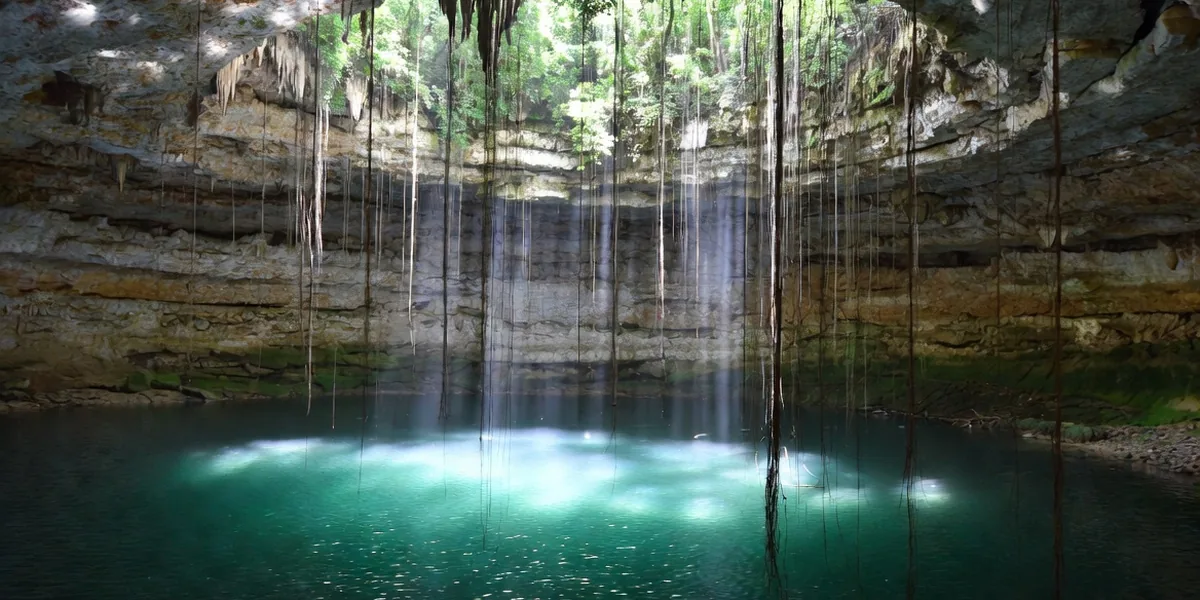
The Yucatán Peninsula sits on a slab of porous limestone. When the ceiling of an underground cave collapses, it exposes the freshwater aquifer below — that is a cenote. There are over 6,000 of them. The water is filtered through rock for millennia, comes out crystal clear at around 75°F year-round, and connects to the largest underwater cave system on the planet.
Some cenotes are open pits surrounded by jungle. Others are underground caverns where sunlight cuts through a hole in the ceiling. Some are rivers flowing through mangroves. A few are caves where you swim in total darkness with a headlamp. All of them are worth your time if you pick the right one for what you want.
This guide covers the cenotes accessible from the four main base cities: Cancún, Tulum, Playa del Carmen, and Valladolid. Organized by region so you can plan by where you are staying.
Before You Go — The Non-Negotiable Rules
- Biodegradable sunscreen only. Chemical sunscreen is banned at every cenote. This is enforced at the entrance. Buy reef-safe sunscreen before you leave your hotel – the cenote gift shops charge triple.
- No insect repellent in the water. Same logic as sunscreen. These are closed water systems that take thousands of years to filter.
- Bring cash (pesos). Most cenotes – especially the Ejido-run ones – accept cash only. ATMs exist in Tulum and Playa del Carmen but not at the cenotes.
- Arrive at opening time. Tour groups arrive between 10 AM and noon. If you have your own car, the window between 8 AM and 10 AM is a completely different experience – often just you and the water.
- Life jackets are free at most cenotes. You do not need to know how to swim. Non-swimmers are welcome at the majority of cenotes on this list.
Near Cancún (1–2.5 hours)
Cenote Azul
Families, shallow sections for kids, combine with Cristalino next door
Cenote Cristalino
Snorkeling, low cliff jumps, turquoise color peaks at midday
Ik Kil
Photography, combine with Chichén Itzá day trip
Río Secreto
Guided cave walk-and-swim, stalactites, unique experience
Near Tulum (15–45 minutes)
Gran Cenote
Stalactites, sea turtles, cave snorkeling — the most famous cenote near Tulum
Dos Ojos
Cave snorkeling and world-class cave diving for certified divers
Cenote Calavera (Temple of Doom)
Cliff jumping (3m and 6m drops), adrenaline
Cenote Suytun
The most photographed cenote in the Yucatán — the light shaft, the platform, the circle of water
Casa Cenote (Cenote Manatí)
Mangrove-lined river cenote, calm water, sunset swims
Cenote Zacil-Ha
Zipline over the cenote, relaxed atmosphere, less crowded than Gran Cenote
Near Playa del Carmen (20–60 minutes)
Cenote Azul (Playa)
Family-friendly, shallow sections, easy access from highway
Cenote Jardín del Edén (Ponderosa)
Deep diving (15m), clear water, cliff jumping, snorkeling platforms
Cenote Chaak Tun
Guided cave cenote experience, stalactites, the closest underground cenote to Playa del Carmen
Near Valladolid (15–45 minutes)
Cenote Zací
Walk-in from downtown Valladolid, dramatic cliff walls, restaurant above
Cenote Oxman
Rope swing, lush vegetation, dramatic depth
Cenote Samulá & Xkekén
Dramatic light shaft, turquoise water, the classic Yucatán cenote photo
The dedicated comparison ranks the small-group, Chichén Itzá combo, and private cenote tours from Cancún with 2026 pricing — and flags the ones to skip. Best cenote tours from Cancún (2026).
The dedicated Cancún cenotes guide has entrance fees, detailed descriptions, and specific driving directions from the Hotel Zone. Cancún cenotes guide.
Types of Cenotes – What to Expect
Open-air cenotes
No ceiling – a pool of fresh water surrounded by jungle or rock walls. The easiest to access and usually the best for families. Examples: Cenote Azul, Casa Cenote.
Semi-open cenotes
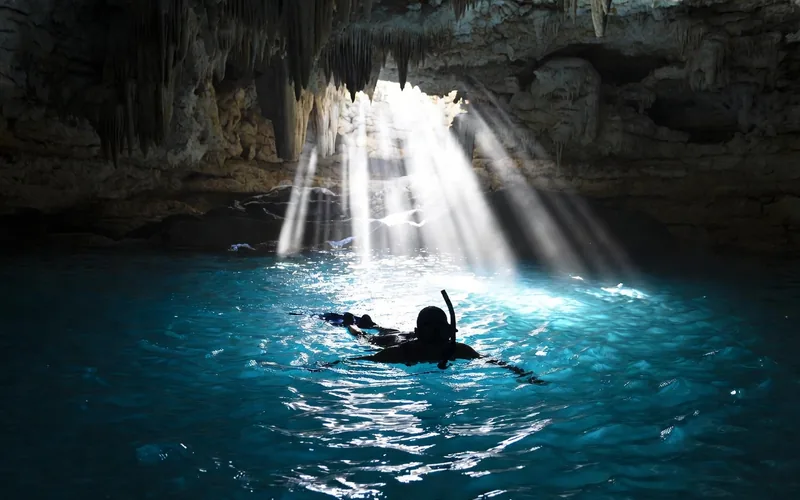
Partially covered by a rock overhang or collapsed ceiling. The light shaft coming through the opening is what produces the famous cenote photographs. Examples: Gran Cenote, Cenote Suytun.
Underground cave cenotes
Fully enclosed – you enter through a staircase or passage into a cavern with water. Stalactites, bat formations, darkness. The most dramatic but not for the claustrophobic. Examples: Dos Ojos, Chaak Tun.
Pit cenotes
A vertical hole in the ground with water at the bottom. Usually accessed by stairs, rope, or jump. Dramatic depth and the feeling of being inside the earth. Examples: Cenote Calavera, Cenote Zací.
Mr. Playas' honest take: If you only have time for one cenote, go to Dos Ojos if you snorkel or Gran Cenote if you want the full experience with turtles. If you only have time for a half-day, the Cenote Azul + Cristalino combo is 1 hour from Cancún and covers both a family-friendly swim and a turquoise photo spot. Do not go to a cenote expecting a theme park – go expecting a natural formation that is millions of years old and behave accordingly.
Frequently Asked Questions
A natural sinkhole formed when limestone bedrock collapses and exposes the freshwater aquifer below. The water is filtered through rock for thousands of years – crystal clear, 75°F year-round. The Yucatán has over 6,000 of them, connected to the largest underwater cave system on the planet.
Most cenotes charge $8–20 USD entrance. Guided underground experiences (Río Secreto, Chaak Tun) run $45–75 USD. Cave diving at Dos Ojos is $70–120 USD. Transport is extra – rental car ($30–50/day) or organized tour ($50–80/person) from Cancún.
Yes, with basic common sense. Life jackets are provided free. The main risks are slippery rocks near entrances, cold water shock if you jump in without adjusting, and ignoring depth indicators. Do not enter cave sections without a guide. Do not touch stalactites.
Yes – most cenotes are independently accessible by rental car. Drive south from Cancún on Highway 307 and follow signs. The cenotes on this list all have established parking, ticketing, and facilities. A tour saves you the driving but limits your timing.
Cenote Suytun (the light shaft and platform), Ik Kil (the dramatic pit with vines), or Gran Cenote (stalactites reflecting in still water). Suytun requires timed entry – book ahead.
Cenotes are a geological feature specific to the Yucatán limestone platform. The concentration is entirely in the states of Quintana Roo, Yucatán, and Campeche. Other Mexican states have freshwater springs, waterfalls, and swimming holes – but they are not cenotes.
Ready to Book?
Viator lists cenote tours from Cancún, Playa del Carmen, and Tulum with verified reviews, instant confirmation, and free cancellation on most options.