Things to Do in La Paz
By Mr. Playas · Updated 2026
La Paz is one of the few beach destinations in Mexico where the water activities — not the beach clubs — are the reason to come. The Sea of Cortez outside the city is exceptionally biodiverse, and the tours and expeditions available from the La Paz malecon cover more genuine wildlife experiences per square kilometer than anywhere on the Pacific coast. The city itself adds a malecon and food scene that function independently of the tourism economy.
Whale Watching
Blue whales from December through March. Humpbacks from November through April. One of the most reliably accessible whale watching experiences in the world. See the full whale watching guide for season timing, tour operators, and what the encounter actually looks like.
Espíritu Santo Island — Sea Lion Colony
Isla Espíritu Santo is a UNESCO World Heritage site 30 km offshore from La Paz. The island is uninhabited, protected, and surrounded by the clearest water in the Sea of Cortez. The sea lion colony at Los Islotes — a rocky islet at the northern tip of the island — is the primary attraction: a resident population of California sea lions that has lived here for as long as anyone has records, and which treats snorkelers in the water as mildly interesting objects to investigate rather than threats.
Full-day tours from the La Paz malecon reach the colony in about 45 minutes by fast panga. The snorkel session at Los Islotes typically runs 30–45 minutes — the young sea lions are the most interactive, approaching within arm's reach, blowing bubbles, and circling in ways that suggest they are the ones observing you. The tour then continues to two or three snorkel stops along the island's protected bays, where visibility is consistently excellent and the fish life is dense.
Cost: $80–110 USD per person for a full-day tour including transport, equipment, lunch, and guide. This is the tour most La Paz visitors remember longest. Book through your hotel or the malecon operators — the permit system for Espíritu Santo limits boat traffic, so quality is more consistent than at unregulated sites.
The most extraordinary experience available from La Paz is a 3–5 day kayak camping trip through the Espíritu Santo archipelago — paddling between protected bays, camping on beaches where the only footprints are your group's, snorkeling with the sea lions daily, and watching the Sea of Cortez go dark with stars each night. Several La Paz outfitters run fully-guided camping trips with all equipment. This is for travelers who came to Baja for the wilderness, not the resort. If that describes you, book it. La Paz complete guide.
Whale Shark Snorkeling
Book Tours in La Paz
Whale shark snorkeling, Espíritu Santo island, and whale watching. Book on Viator.
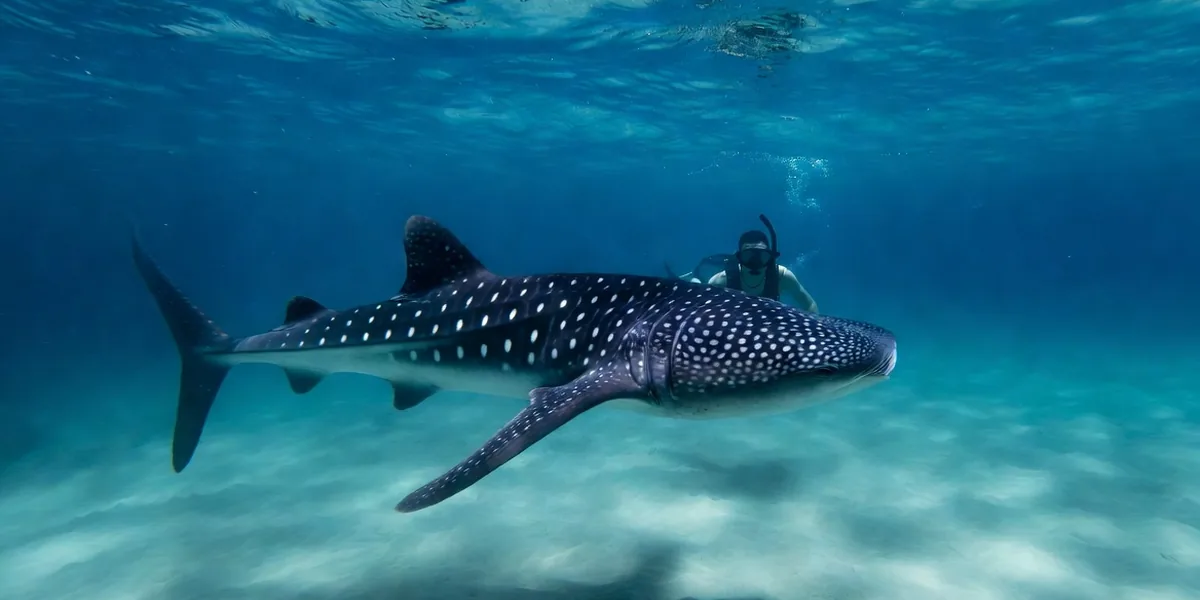
Whale sharks aggregate in the waters near La Paz and Espíritu Santo from October through April — overlapping with the blue whale season. Tours run from the malecon pier and typically combine whale shark snorkeling with a stop at the sea lion colony. The La Paz whale shark experience has significantly better water visibility than Holbox or the Isla Mujeres aggregation — the Sea of Cortez clarity allows you to see the full length of the animal underwater rather than just the head approaching. Cost: $80–100 USD per person.
The La Paz Malecon
The malecon runs 5 km along the bay waterfront through the center of the city. The sunsets here face west across the water — the light on the Sea of Cortez at dusk is the daily social event in La Paz, and the malecon fills with locals, families, and visitors from around 5 PM onward. The restaurants and bars along the malecon represent both ends of the price spectrum: open-air seafood spots with ceviche at local prices alongside established dinner restaurants with bay views.
Walk the full length at least once. The malecon connects the marina zone in the south to the more local northern end where the restaurants shift from tourist-facing to genuinely local. The northern end has better food at lower prices and is where you see the city rather than the tourism layer over it.
Diving
La Paz has several dedicated dive operations working the sites around Espíritu Santo and the offshore seamounts. The marquee dive is El Bajo — an underwater seamount about 15 km northeast of the city that rises to 18 meters below the surface. Schools of scalloped hammerhead sharks aggregate at El Bajo from June through November; the hammerhead encounter here is one of the most remarkable in the Pacific. Other notable sites include the wreck of the Salvatierra (a ferry that sank in 1976 in 20 meters of water) and the sea lion dive at Los Islotes. Two-tank dive packages from La Paz operators run $90–130 USD.
Eating in La Paz
The food in La Paz operates at a level that surprises most visitors. The seafood is exceptional — fresh from the Sea of Cortez daily — and the Baja Med culinary tradition that has developed in the peninsula's cities produces some of the best fish tacos, raw bar, and ceviche in Mexico.
The Mercado Municipal in the city center has fresh seafood stalls open from early morning — raw oysters, ceviche tostadas, shrimp cocktail at local prices. For a full meal: El Quinto Sol on the malecon is the most established restaurant in the city for Baja seafood at a mid-range price point. La Pazta, despite its tourist-facing name, does a good pasta alongside excellent local fish. For tacos: the stands along Calle 16 de Septiembre in the downtown grid serve Baja-style fish and shrimp tacos that represent the city more honestly than the malecon tourist corridor does.
Craft beer has arrived in La Paz — Baja Brewing Company and several smaller operations have taprooms. The local mezcal and tequila selection at the better bars is worth a deliberate evening.
Frequently Asked Questions
For wildlife: the Espíritu Santo full-day tour — sea lions, multiple snorkel stops, exceptional water clarity, and a World Heritage site. For wildlife in season: whale watching for blue whales from January through March. These two experiences are what La Paz specifically offers that nothing else in Baja replicates.
Yes — the whale watching tours do not require entering the water. The malecon is excellent regardless of water activities. The food scene is strong. Kayaking at a surface level does not require diving skills. But La Paz rewards people who engage with the water — if you are not interested in any of the marine activities, the city alone is pleasant but does not justify a long trip.
June through November, peaking July through September. The scalloped hammerhead aggregation at El Bajo is one of the more remarkable shark dives in the Pacific — schools of dozens to hundreds of animals at depth. This requires advanced open water certification and comfort diving in current.
You can — it is 2 to 2.5 hours each way on Highway 1. A day trip covers the malecon and Balandra. But day trips miss the afternoon malecon, dinner at the better restaurants, and any of the marine tours that run in the morning and require being in La Paz the night before. An overnight is the correct minimum.
More on La Paz: