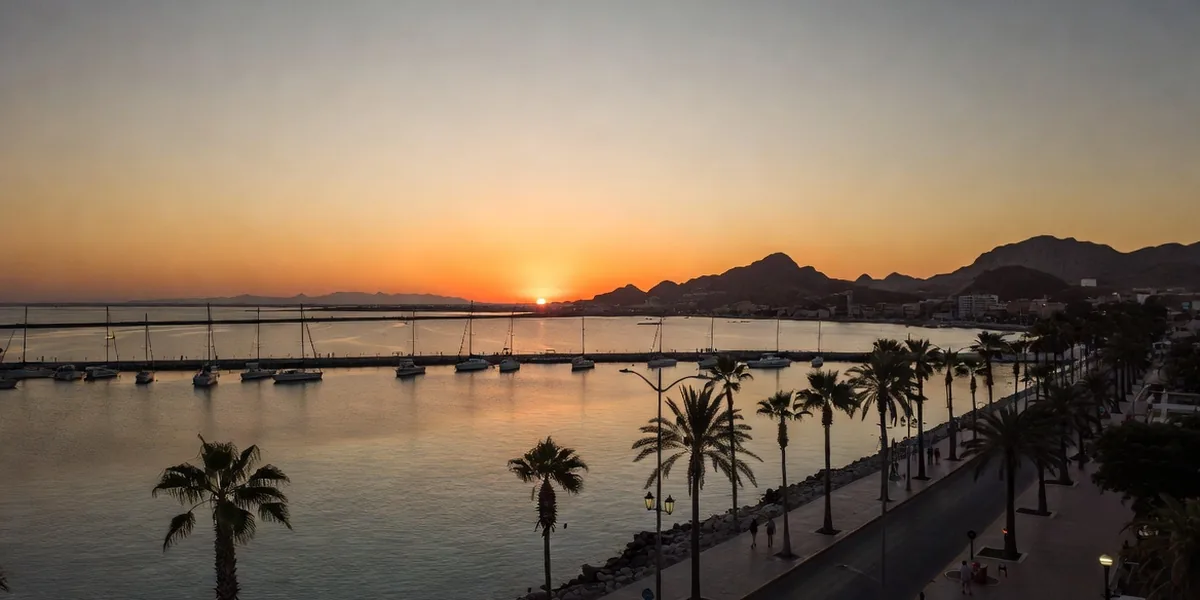
La Paz — The Complete Guide
Blue whales from December through March. Playa Balandra. Sea lions on Espíritu Santo. A real city on the Sea of Cortez at half the price of Los Cabos.
La Paz is the capital of Baja California Sur — a working city of 250,000 people on the western shore of the Sea of Cortez, 220 km north of Los Cabos. It is the destination that most travelers flying into Cabo skip, and the one that most people who actually go to La Paz wish they had found sooner.
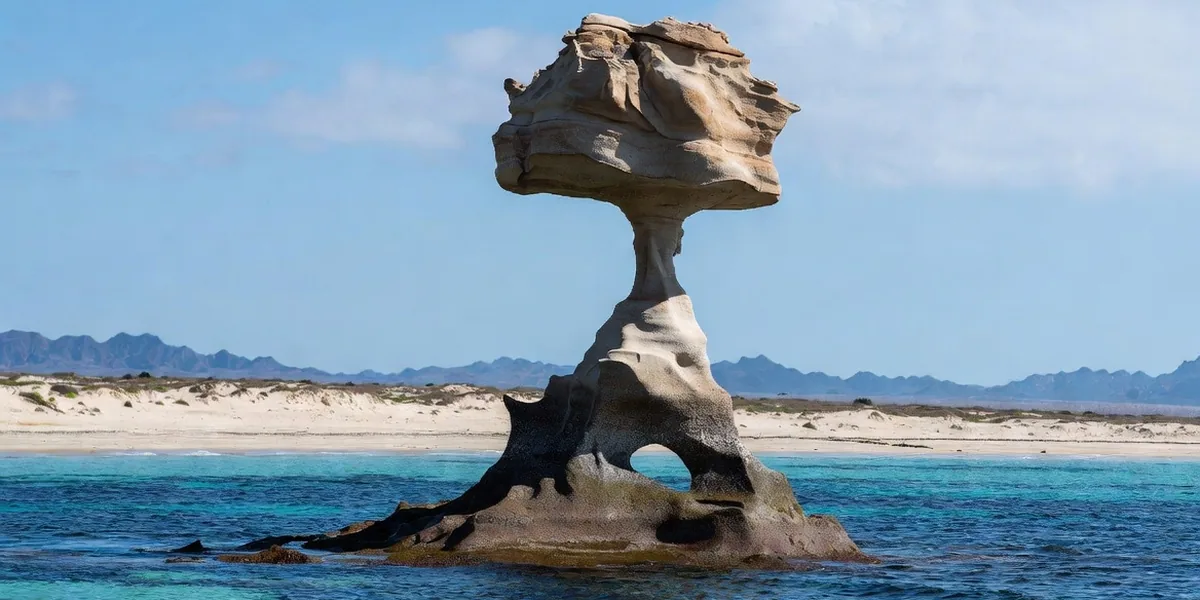
Jacques Cousteau called the Sea of Cortez the "aquarium of the world." He was working from La Paz when he said it. The blue whale aggregation that feeds in the Bahía de La Paz from December through March is one of the most accessible in the world — close to shore, predictable, and managed by local guides who have been reading these waters for decades. Playa Balandra, 25 km north of the city, is the shallow turquoise cove that appears on every "best beaches in Mexico" list for a reason. Isla Espíritu Santo, 30 km offshore, is a UNESCO World Heritage site where snorkelers enter the water with a resident sea lion colony. The city behind all of this has a malecon that works, restaurants that feed locals as well as tourists, and prices that make the Cabo corridor look like a different country.
Los Cabos has the resort infrastructure, the organized deep-sea fishing fleet, and the all-inclusive density. La Paz has the wildlife, Balandra, the real city, and a cost structure 30–50% lower across hotels, restaurants, and tours. For independent travelers who want wildlife and a place that functions as a Mexican city: La Paz every time. La Paz beaches and Balandra.
Explore La Paz
5 guides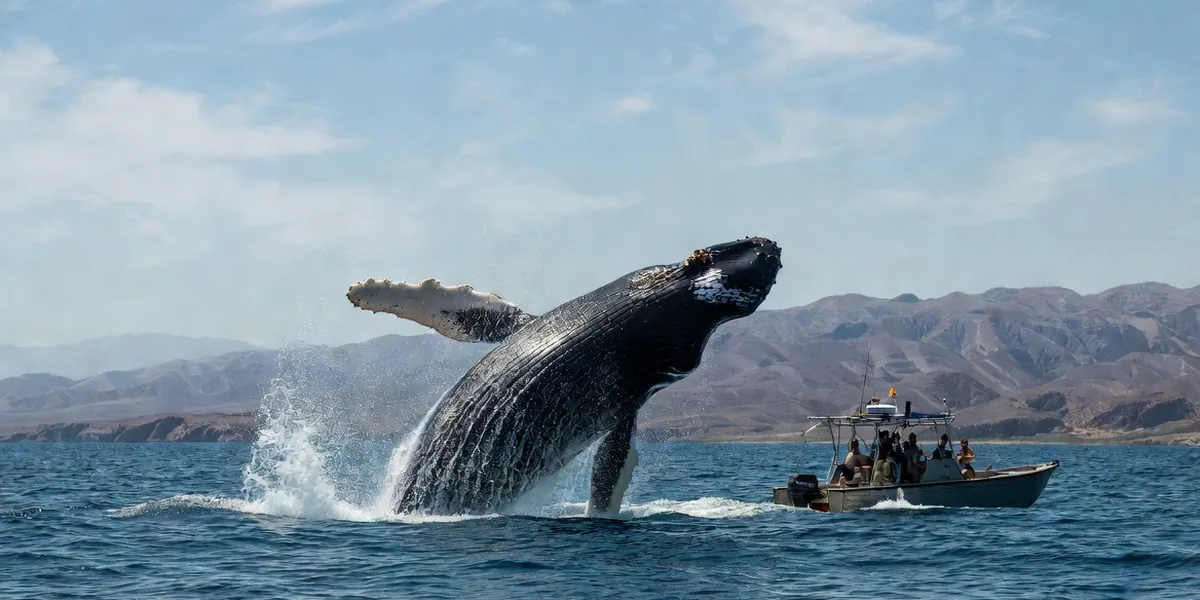
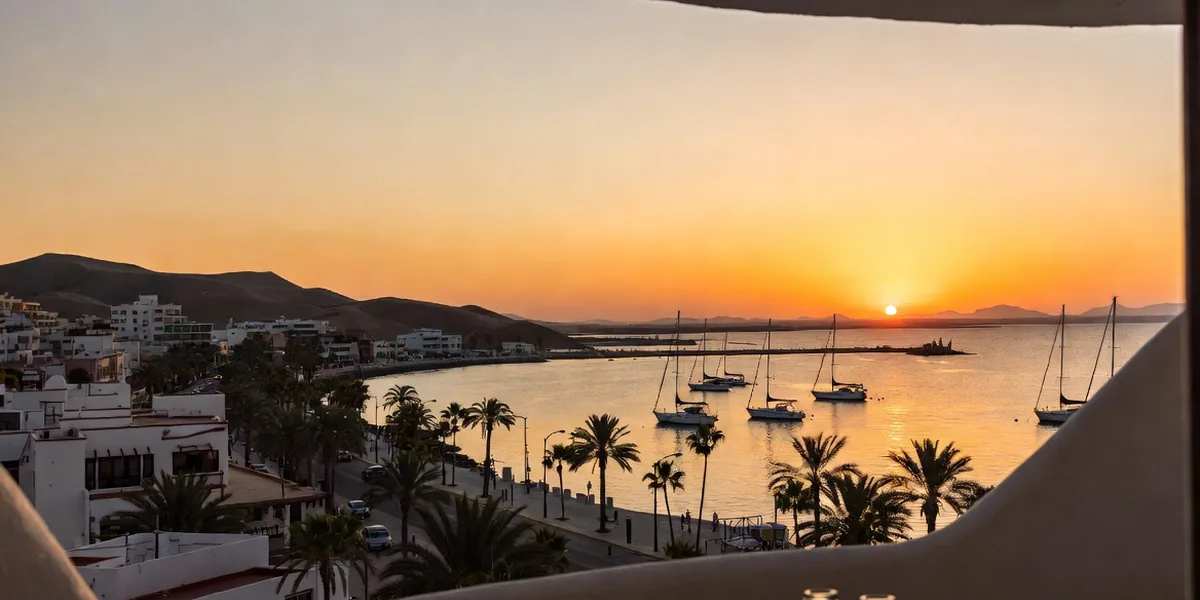
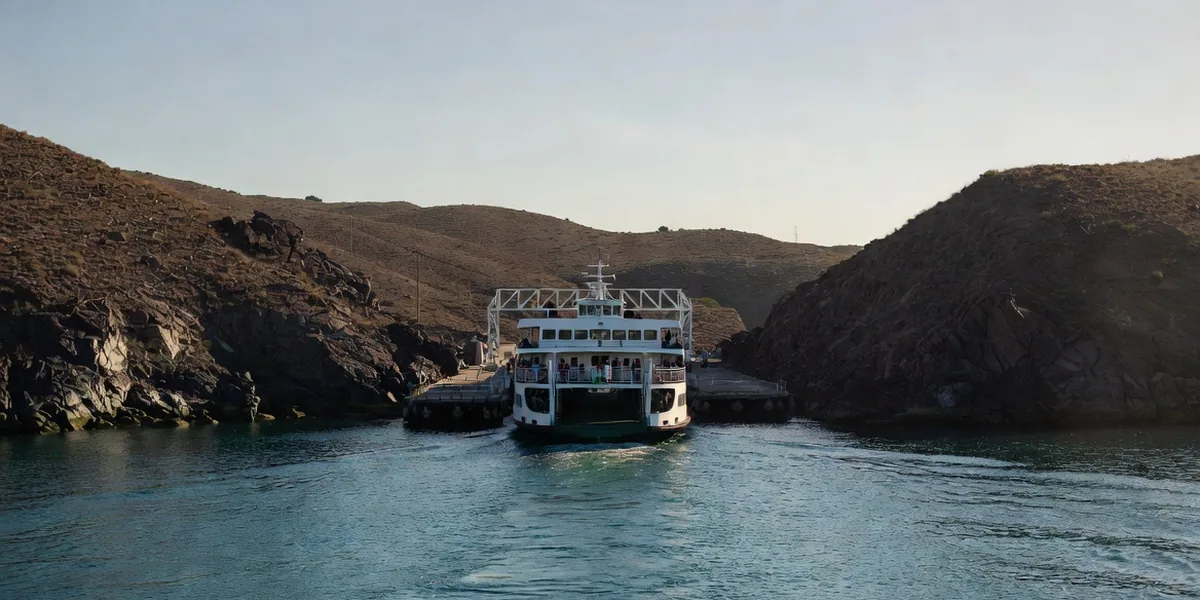
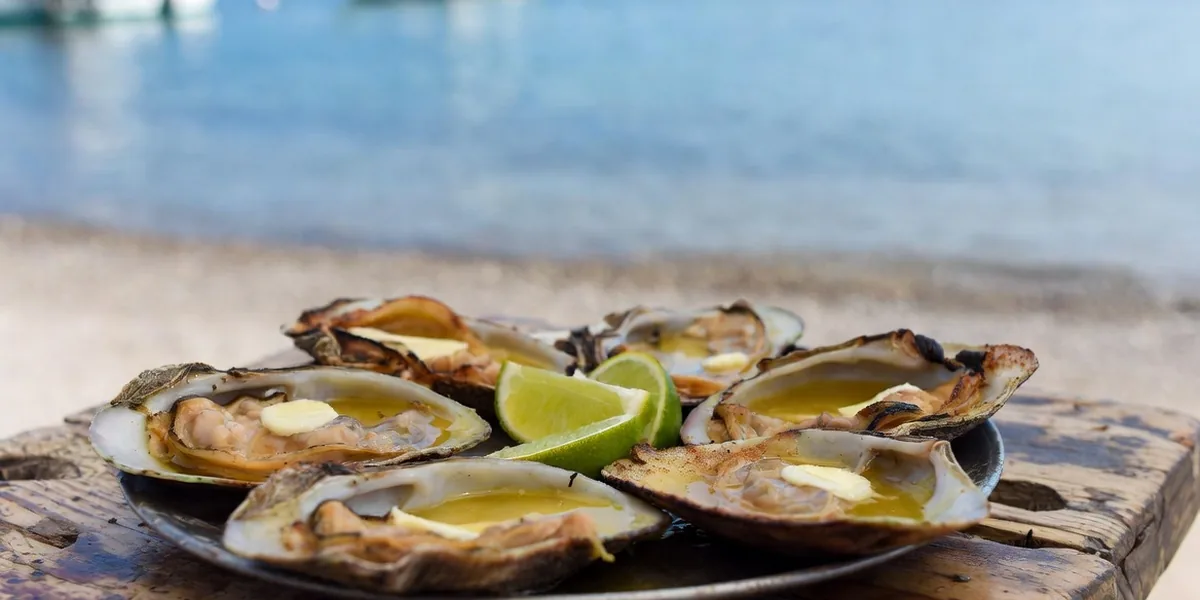
Plan the trip: whale watching, Espíritu Santo tours, and nightlife on the malecón.
Tours and Excursions in La Paz
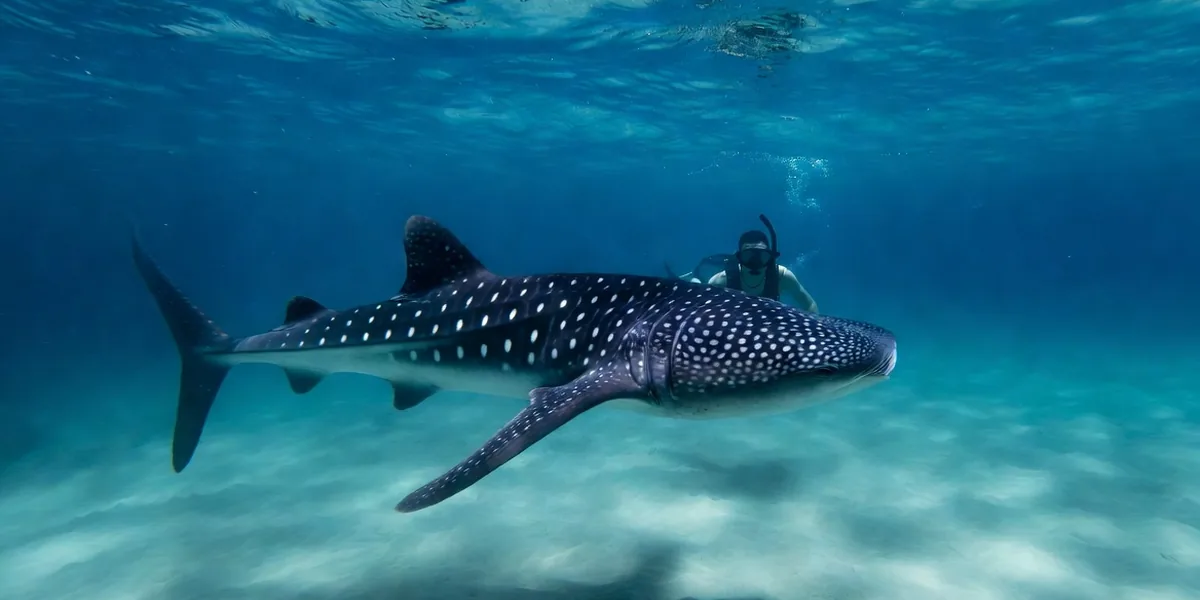
Whale shark snorkeling, Espíritu Santo island, and whale watching. Book on Viator.
Getting There
Within La Paz: Uber operates reliably and is the easiest option for most trips. Taxis are available throughout the city — negotiate the fare before getting in. A rental car from the airport gives independence for Balandra, Pichilingue, and the beaches north of the city. The city center and malecon are walkable from most downtown hotels.
Frequently Asked Questions
Yes — and it is one of the most consistently underrated destinations in Mexico. The wildlife access is extraordinary: blue whales from December through March, sea lion colonies on Espíritu Santo, whale sharks seasonally, and manta rays year-round. Playa Balandra is among the best beaches in the country. The city has a real malecon, honest restaurants at honest prices, and a pace of life that the Cabo corridor abandoned a long time ago.
About 220 km north of Cabo San Lucas on Highway 1 — 2 to 2.5 hours of driving. La Paz has its own international airport (LAP) with direct flights from several US cities. It does not require Los Cabos as a base or entry point.
They are built for different travelers. Los Cabos has the resort corridor, the nightlife, the deep-sea fishing fleet, and the infrastructure for travelers who want everything delivered. La Paz has the wildlife, the real city, the better beaches for calm-water swimming, and a cost structure that is 30–50% lower across the board. For independent travelers who engage with the natural environment: La Paz. For resort amenities and organized luxury: Los Cabos.
Whale sharks aggregate in the waters near La Paz and Isla Espíritu Santo from October through April — overlapping with the peak blue whale season. Tours run from the La Paz malecon pier. The aggregation here is smaller than Holbox but the water clarity is significantly better, which makes for a higher-quality snorkel experience.
Yes. La Paz is the state capital of Baja California Sur and one of the more stable cities in Baja. The tourism zone — malecon, downtown, marina — has a consistent record for international visitors. The expat community that has settled here is a reliable long-term safety indicator. Standard Mexico urban precautions apply.
Helpful but not essential in the city. The malecon, downtown restaurants, and the marina are walkable or a short taxi ride from most hotels. For Playa Balandra (25 km north) and the Pichilingue ferry terminal, a rental car gives flexibility that taxis and tours cannot fully replicate. Uber operates in La Paz.
Three to four days is the right minimum — Balandra, one whale watching or Espíritu Santo tour, the malecon at sunset, and time to eat at the places worth eating at. A week allows you to add a multi-day kayak trip to the islands, which is the experience that stays with people longest.