Manzanillo — The Pacific
as it should be
World capital of blue marlin. Real seafood. Two bays, five beaches with distinct personalities, and zero pretension about being a trendy destination. This is the soul of the Mexican Pacific.
Why Manzanillo
Manzanillo has been the best-kept secret on the Mexican Pacific for decades. While Cancún and Los Cabos turned into theme parks for tourists, Manzanillo stayed a working port — with everything that implies: fresh seafood that came out of the ocean that morning, restaurants where the menu changes based on what the fishermen brought in, and an authentic Mexican normalcy that other destinations sold off long ago.
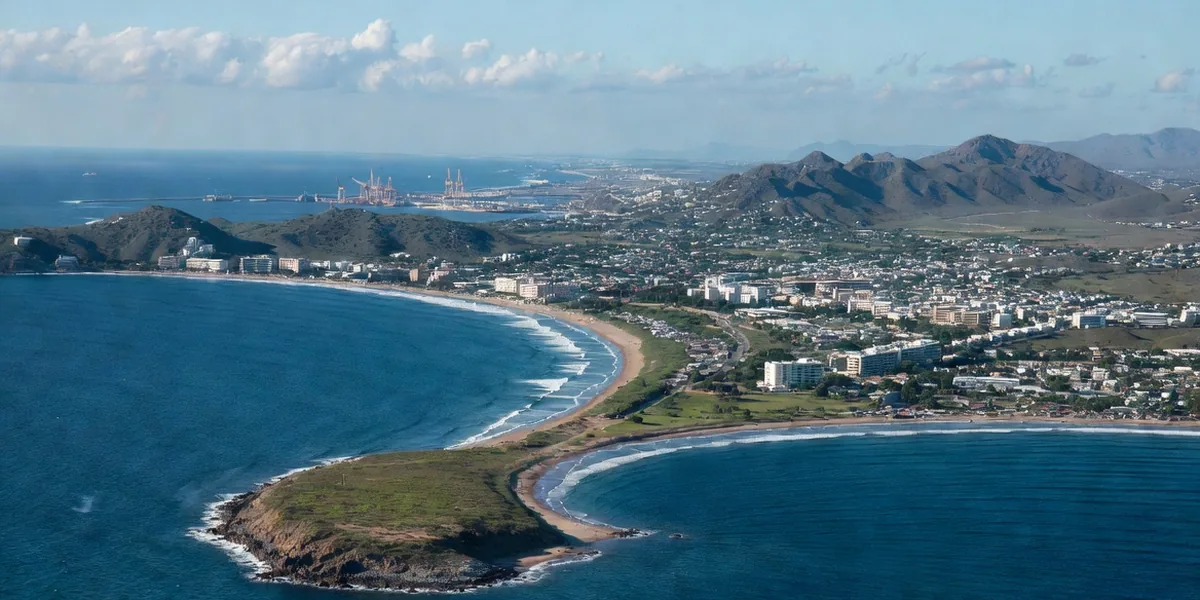
The geography helps. The port is split into two bays separated by the Santiago Peninsula: Bahía de Manzanillo with the active port, the malecón, and authentic local life; and Bahía de Santiago, more residential and tourist-friendly, with Las Hadas, the best seafood restaurants, and Playa La Audiencia. Two distinct worlds ten minutes apart.
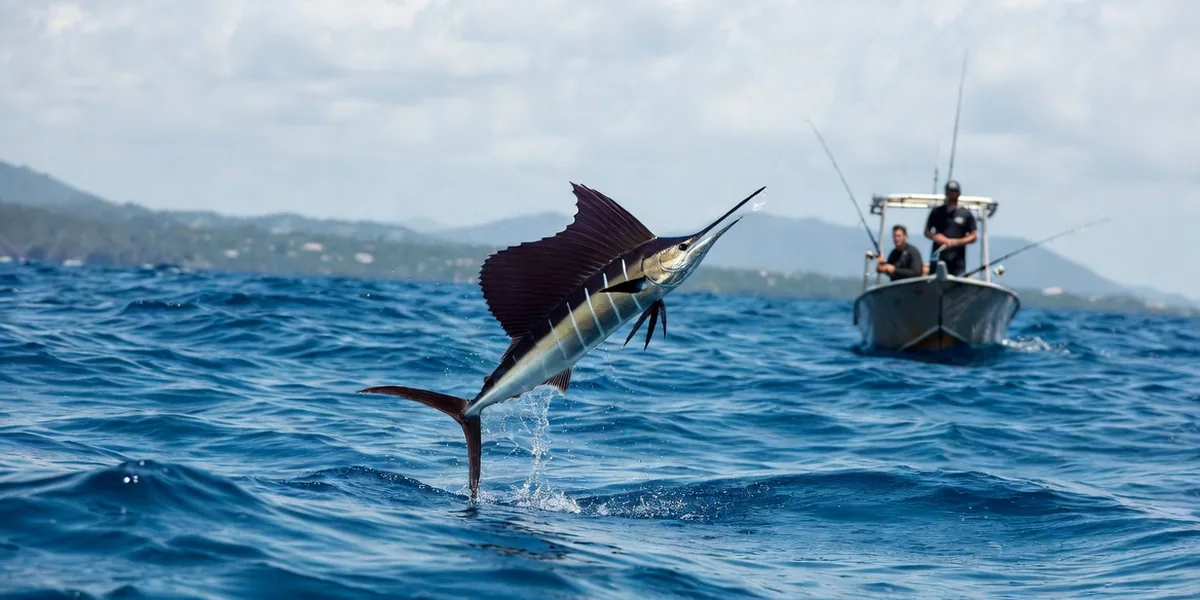
The title of World Capital of Blue Marlin is not a marketing claim — it is a documented fact, certified by international tournaments since the 1970s. The waters off Manzanillo hold one of the largest concentrations of blue marlin in the Pacific, and the November–March season fills the port with serious anglers from around the world. Even if fishing isn't your thing, it is part of the identity of the place — and it explains why the seafood here operates at a different level.
Puerto Vallarta is 4 hours north with more nightlife and international restaurants. See the Puerto Vallarta guide.
Manzanillo is Mexico's best-kept Pacific secret and it is not trying to change that. No influencers, no boutique hotel boom, no $200/night minimums. Just a working port town with two beautiful bays, the best sport fishing on the Pacific coast, and seafood restaurants where the fish was in the ocean four hours ago. Stay in Santiago or near Playa La Audiencia. Eat at the palapa places on the beach. If you fish, book a charter for blue marlin between November and March. If you do not fish, the beaches and the food alone are worth the trip — at half the price of anywhere in Baja.
Explore Manzanillo
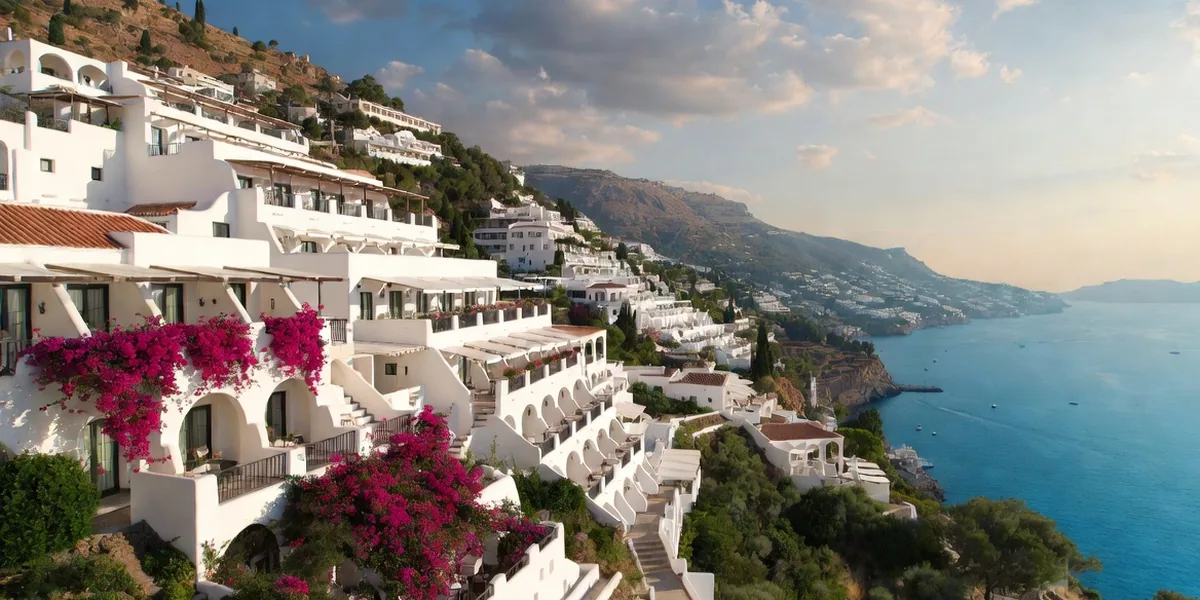
Zones & Bays
4 zones
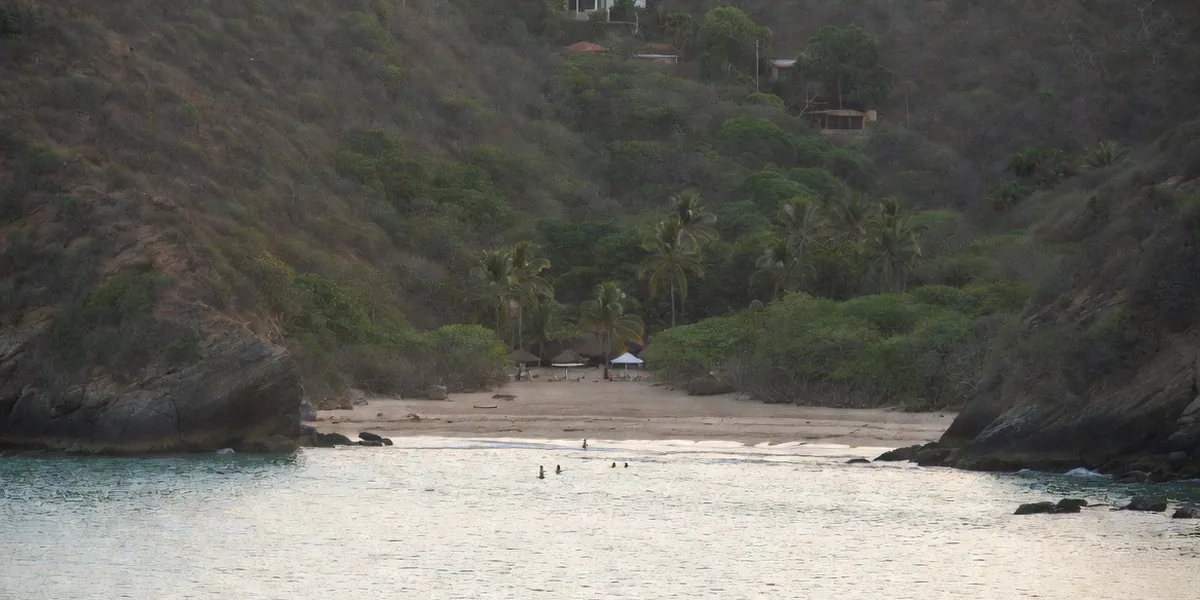
Bahía de Santiago
The quieter, more residential bay. Home to Las Hadas, the best seafood restaurants, and Playa La Audiencia. The zone Mr. Playas always comes back to.
Bahía de Manzanillo
The main bay with the active port, the malecón, authentic local life, and Playa Azul. Less touristy, more real.

Las Brisas / Salahua
The modern hotel zone between the two bays. Playa Miramar, shopping centers, and most of the chain hotels.

El Chanal
Pre-Columbian archaeological zone 15 minutes from the center. Few visitors, a lot of history. One of Colima's best-kept secrets.
The Beaches of Manzanillo
4 key beachesNo two beaches in Manzanillo are alike — each has its own character, its best hour, and its type of visitor. The key is knowing which one matches what you're actually after.
Playa La Audiencia
Snorkeling & calm waterThe best snorkeling beach in the area. Protected waters, rocky bottom full of fish, easy access. In Bahía de Santiago — you can't miss it.
Playa Miramar
Families & swimmingThe longest beach in Manzanillo, with palm trees, beach restaurants, and moderate waves. The favorite of Mexican families who know this destination.
Playa Las Brisas
Waves & surfMore exposed to the Pacific, with consistent waves. Not world-class surf but workable for learning or bodysurf. The sunsets here are exceptional.
Playa Azul
Wild & quietThe furthest from the tourist noise. Dark sand, few people, strong waves — not for swimming, good for walking, reading, or just existing.
Food & Seafood
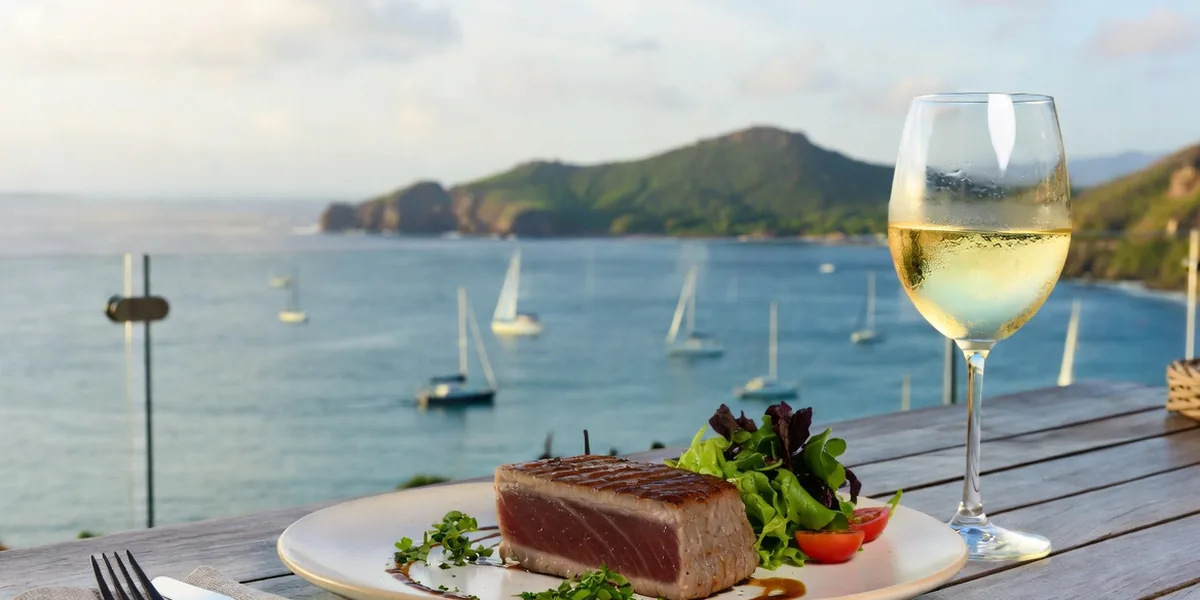
Real fishing portManzanillo is not a gastronomic destination in the trendy sense — no Michelin-starred chefs, no $150 tasting menus. What it has is better: a port where the fish on your plate at noon came out of the ocean that morning, and the cook tells you that without pretension.
Marlin ceviche
Mercado Central / local comedoresManzanillo is the world capital of blue marlin — and smoked marlin ceviche is the proof. Dense, flavorful, no gimmicks. You won't find it like this anywhere else.
Pescado zarandeado
Palapa Los Mangos and similar spotsWhole fish marinated with spices and slowly grilled over charcoal on an open rack. The Manzanillo version is smokier than Nayarit's. Worth every bite.
Local oysters
Acuacultura La Colorada and Santiago restaurantsColima produces fresh oysters that rarely reach other markets. In Manzanillo they serve them raw, with lime and a habanero salsa that doesn't apologize.
Marlin tacos
Market taco stands and Santiago street stallsShredded smoked marlin in a corn tortilla with onion, cilantro, and green salsa. The most representative street food in the port. Three tacos cost less than $5 USD.
Tours and Excursions in Manzanillo
Sport fishing charters, snorkeling, and Barra de Navidad day trips. Book on Viator.
Rent a Car in Manzanillo
No practical public transit between beaches and the airport. A rental car is the most useful way to explore Santiago, Las Brisas, and the coast.
Compare rental cars in ManzanilloGetting There
Main routes
Airport note
Playa de Oro Airport (ZLO) is small but efficient. From the US, connections typically route through Mexico City or Guadalajara — check Aeromexico and Volaris for the best fares. The airport also serves Barra de Navidad and La Manzanilla, 45–60 minutes north. Renting a car at the airport is the most practical option.
Frequently Asked Questions
November through May: ideal weather, water between 26–28°C, minimal rain. December through March is peak blue marlin season — if you're fishing, that's when to go. June through October brings frequent rain but prices drop 30–40% and the beaches are nearly empty.
The tourist zones — Santiago, Las Brisas, Playa La Audiencia, and the malecón — are quiet and relaxed. Avoid the industrial port area and neighborhoods away from the center at night. Mr. Playas visits regularly and the vibe is calm and family-oriented.
Depends what you're after. Puerto Vallarta has more infrastructure, nightlife, international restaurants, and a larger tourist operation. Manzanillo is quieter, cheaper, more authentic, and has better beaches for anyone who doesn't want to be surrounded by resort crowds. Mr. Playas picks Manzanillo without hesitation.
Strongly recommended. The two bays and the different beaches are spread out — without a car you depend on taxis for everything. The airport is 40 minutes away. Renting from the airport or in the center is the best decision you'll make.
No — it is one of the most affordable Pacific beach destinations in Mexico. A decent hotel runs $40–90 USD per night. A full seafood meal at a local restaurant costs $8–15 USD per person. Far from the prices of Los Cabos or the Riviera Maya. For context: a full grilled fish plate with sides and a cold beer at a beachfront palapa in Manzanillo costs what a single margarita costs at the Cabo marina. That is the value proposition.
4–5 days covers the main beaches, good eating, a fishing or snorkeling excursion, and time in Santiago and the center. For blue marlin fishing: 3 days minimum on the water. For pure rest, a full week goes fast.