Where to Stay in Mazatlán
By Mr. Playas · Updated 2026
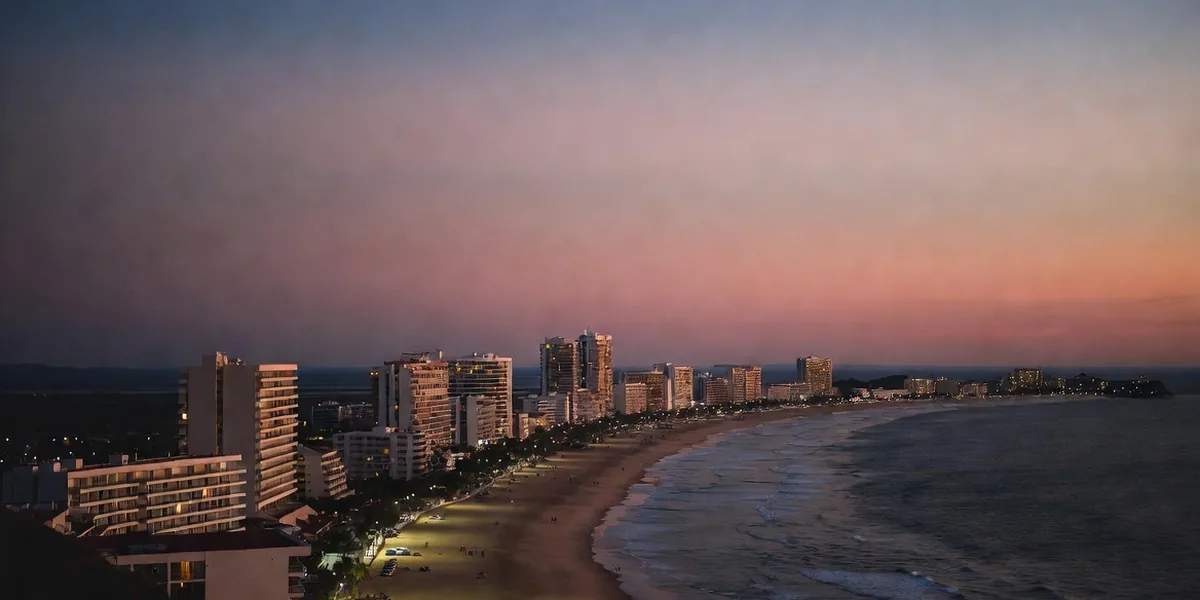
Mazatlán has three distinct accommodation zones and the choice between them largely defines the trip. Centro Histórico is for travelers who want culture, walkability, and the best restaurants — beach access requires a taxi or pulmonía. Zona Dorada is for travelers who want to be steps from the beach with full resort infrastructure. The malecon strip splits the difference. All three are legitimate depending on what you came for.
Centro Histórico — Best for Culture and Value
The most interesting place to stay in Mazatlán if you want to engage with the city rather than the resort strip. The historic center has a growing collection of boutique hotels converted from 19th-century mansions — courtyard layouts, high ceilings, tiled floors, and the kind of architectural character that resort hotels cannot replicate. Several excellent options exist in the $60–120 USD/night range that are genuinely outstanding for the price.
The trade-off: the beach is a 10–15 minute taxi or pulmonía ride from Centro. If walking to the ocean every morning matters to you, stay in Zona Dorada. If evenings on Plaza Machado and a hotel with real character matter more, Centro is the right call. Mr. Playas stays in Centro.
Zona Dorada — Best for Beach Access
The main hotel and resort strip, running along Playa Gaviotas and Playa Sábalo. Walk to the beach, walk to the Zona Dorada restaurant and bar strip, walk to the surf shops and souvenir markets. This is the conventional tourist zone and it functions well for what it is.
The Zona Dorada has a mix of older high-rise hotels (some dated, some recently renovated), mid-range all-inclusive properties, and a handful of newer boutiques. The quality range is wide — read recent reviews before booking. Price: $70–180 USD/night for mid-range beach properties; $150–300 for the better all-inclusives.
The pulmonías (open-air taxis) between Centro and Zona Dorada take 15 minutes and cost $4–6 USD. They run constantly. This means the 'beach access vs culture' trade-off is less stark than it sounds: you can stay in Centro and be at the beach in 15 minutes, or stay in Zona Dorada and be in the historic center for dinner. The real difference is atmosphere — Centro feels like Mazatlán, Zona Dorada feels like a Mexican beach resort. .
The Malecon Strip — Middle Ground
The stretch of malecon between Centro and Zona Dorada has several hotels that offer a compromise: access to the historic center on foot to the south, Zona Dorada reachable in 5–10 minutes to the north, and the Pacific views of the malecon walkway outside the door. The hotels here tend to be older and occasionally dated, but the location is genuinely convenient for a city-plus-beach itinerary.
Price Ranges — What to Expect
- Budget guesthouses (Centro or Zona Dorada): $30–60 USD/night
- Mid-range boutique hotels (Centro): $60–130 USD/night
- Mid-range beach hotels (Zona Dorada): $70–160 USD/night
- All-inclusive resorts (Zona Dorada/Sábalo): $130–280 USD/night per person
Mazatlán is meaningfully cheaper than Cabo, Puerto Vallarta, or the Riviera Maya at every price tier. A genuinely good hotel costs 30–50% less than the equivalent in those destinations. This is the most practical argument for adding Mazatlán to a Mexico trip.
When to Book
Outside of Carnival week (February/March), Mazatlán does not sell out like the Caribbean destinations. In regular peak season (December–January), booking 2–3 weeks ahead is sufficient for most properties. For Carnival: 4–6 months minimum — every room in the city fills and prices triple or more.
Frequently Asked Questions
Centro for travelers who want culture, architecture, the best restaurants, and a more authentic Mazatlán experience. Zona Dorada for travelers who want beach access, resort amenities, and the conventional tourist zone. Both work for a 4-day stay if you use the pulmoniás to move between them.
Yes, several in Zona Dorada and the Sábalo strip — primarily mid-market properties like Pueblo Bonito Emerald Bay and El Cid resorts. These are not the luxury all-inclusives of Los Cabos; they are mid-range, family-oriented operations at considerably lower prices.
Yes, significantly — 30–50% cheaper at comparable quality levels. This is the single most practical argument for Mazatlán. The beach and food quality are comparable; the price is not.
A pulmonía is an open-air taxi unique to Mazatlán — essentially a golf cart-sized vehicle with bench seats and no roof, designed for the coastal climate. They are the standard urban taxi in Mazatlán, slightly cheaper than enclosed taxis, and part of what makes the city feel different from other Mexican beach destinations. Negotiate the fare before getting in.
More on Mazatlán: