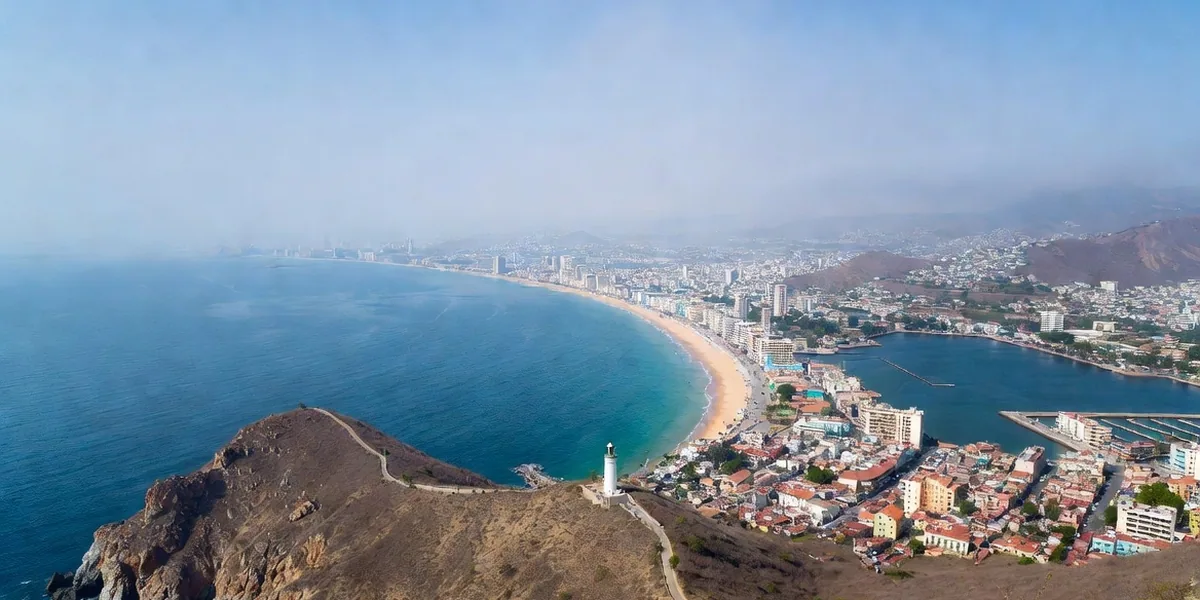
Mazatlán — The Complete Guide
A real Pacific city — 21 km of beach, the best colonial historic center in Mexico, world-class sport fishing, and food that justifies the trip on its own. At half the cost of Cabo.
Mazatlán is the largest city on Mexico's Pacific coast north of Puerto Vallarta and one of the most genuinely interesting beach destinations in the country — which makes it all the more remarkable that most US travelers still default to Cabo or the Riviera Maya without considering it. The reasons are not hard to identify: Mazatlán does not have the resort corridor marketing apparatus of Los Cabos, and it is a real city rather than a purpose-built tourist zone, which means it requires slightly more navigation than an all-inclusive.
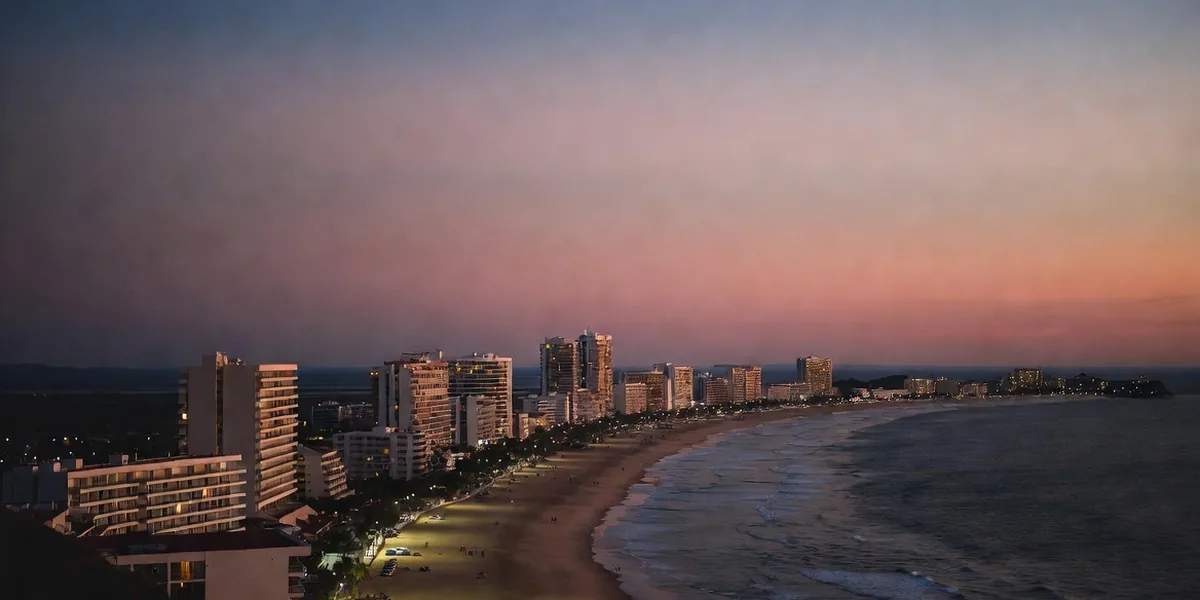
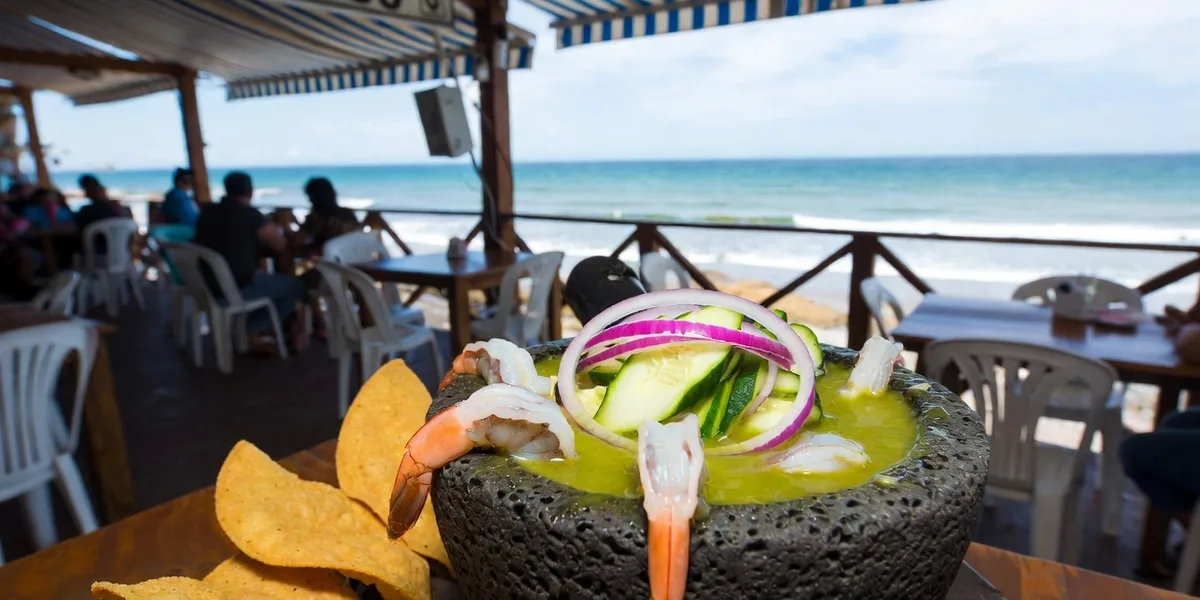
What you get for that navigation: 21 km of Pacific beach running from the historic Olas Altas neighborhood through the Zona Dorada hotel strip to the quieter northern sections. A Centro Histórico that the Mexican government has invested heavily in restoring — cobblestone streets, plazas, the Angela Peralta theater, and 19th-century mansions that rival anything in Cartagena or Havana for atmosphere. Pacific seafood that comes off the boats every morning and ends up at the best Mazatlán restaurants as ceviche, aguachile, and shrimp tacos by noon. And a Carnival that the city has been holding for over 130 years, which by attendance is one of the three largest in the world. After dark, the city runs on live banda and the Machado — the full circuit is in the Mazatlán nightlife guide.
A good hotel in Zona Dorada with beach access runs $70–120 USD/night. A comparable property in Los Cabos or Cancún is $180–350. The seafood quality is the same — both coasts produce excellent Pacific product. The beach quality is comparable. The difference is that Mazatlán has not yet been fully captured by the international resort economy, and prices reflect that. This will not last indefinitely. .
Explore Mazatlán
4 guides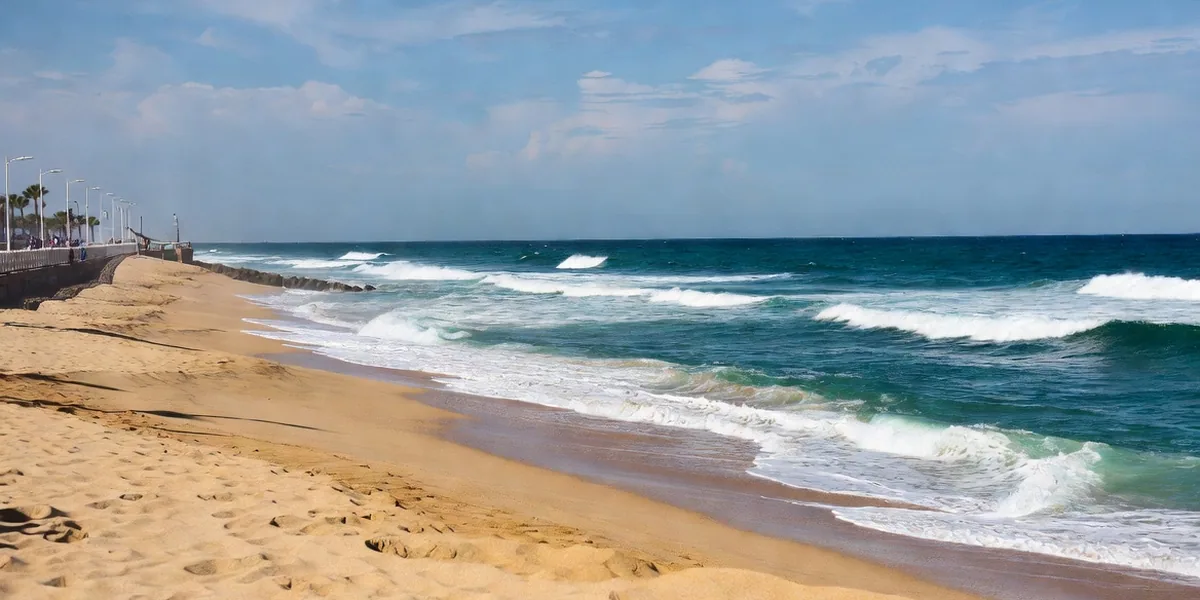
Tours and Excursions in Mazatlán
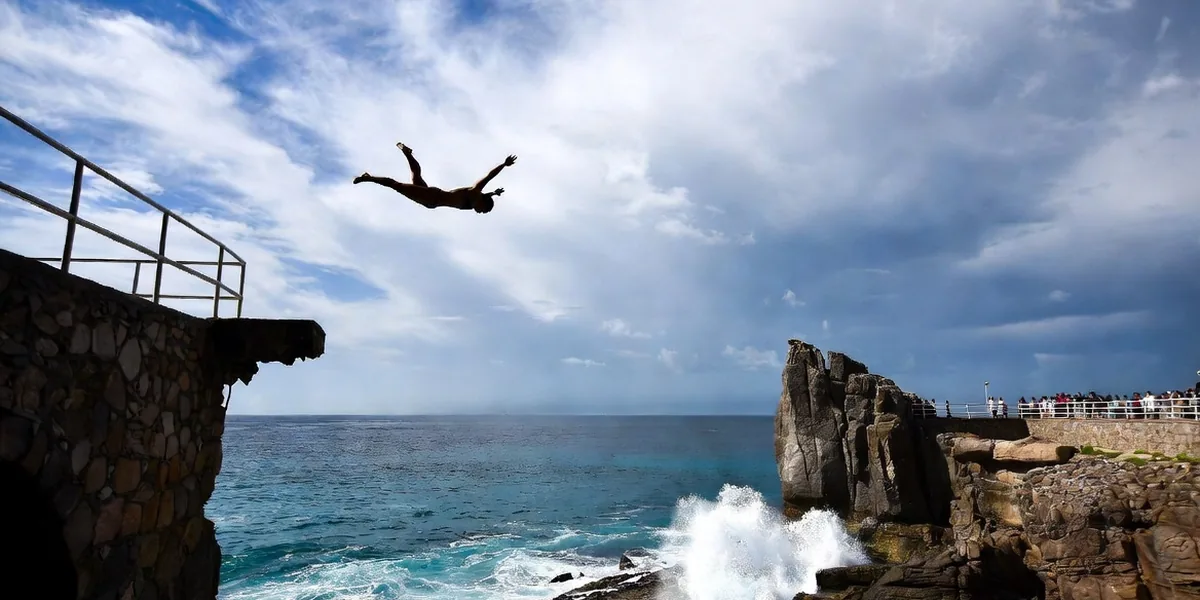
Sport fishing, historic center tours, and Isla de la Piedra excursions. Book on Viator.
Getting There
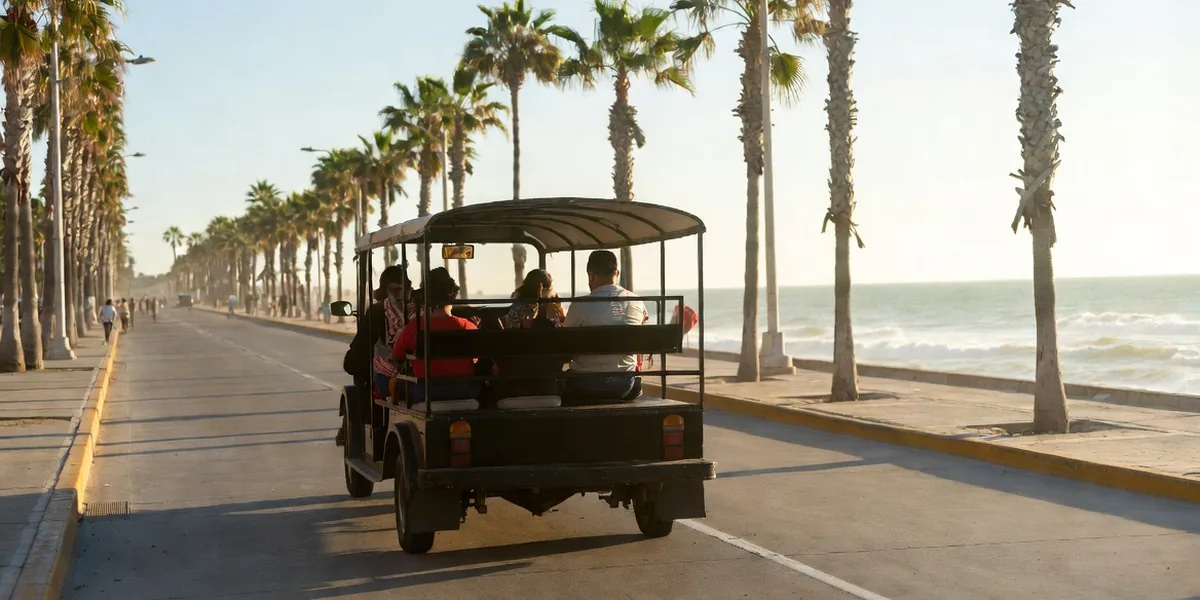
Within Mazatlán, pulmoniás (open-air taxis unique to the city) and standard taxis cover all the zones. Uber operates and is reliable. The tourist bus (Sabalo-Centro route) runs the malecon between Centro Histórico and Zona Dorada for a few pesos. A rental car is not necessary unless you plan to explore outside the city.
Rent a Car in Mazatlán
Useful for day trips to Concordia, Copala, or Isla de la Piedra. Available at the airport and in Zona Dorada.
Compare rental cars in MazatlánFrequently Asked Questions
Yes — and it is one of the more underrated Pacific destinations in Mexico. The historic center is the largest preserved 19th-century downtown in Latin America and genuinely impressive. The beaches run 21 km. The Pacific seafood scene — aguachile, ceviche, fresh shrimp from local boats — is as good as anywhere in Mexico. The prices are dramatically lower than Cabo or Puerto Vallarta. What Mazatlán lacks: the resort corridor infrastructure and international marketing that drives the travel industry toward better-known destinations.
The tourist zones have a consistent safety record. Zona Dorada (the main hotel and beach strip), the malecon, and Centro Histórico are where visitors spend time, and these areas function with normal urban caution, not heightened vigilance. Mazatlán is a real Mexican city of 500,000+ people — it has the full range of urban conditions. Stay in the established visitor zones, take taxis at night, and apply the same judgment you would in any Mexican city. Mr. Playas has visited repeatedly without incident.
Three things primarily: the Carnival (the third-largest in the world, held the week before Lent — after Rio and New Orleans by most measures), the sport fishing (blue marlin and sailfish, November through May), and the Centro Histórico — a preserved colonial and Victorian city center with plazas, the Angela Peralta theater, and architecture that has no equivalent on the Pacific coast.
November through April: dry season, 75–85°F, calm seas, minimal humidity. December through March is peak sport fishing season for marlin. February brings Carnival — the city fills completely, hotels book months in advance, and prices spike, but Carnival itself is worth planning around if you can coordinate it. May and June are good shoulder months. July through October is rainy season and occasional hurricane risk — not impossible to visit but unpredictable.
Yes, significantly. A good mid-range hotel in Mazatlán runs $60–120 USD/night. The equivalent in Los Cabos or the Riviera Maya is $150–300. Restaurant meals with fresh Pacific seafood cost $10–20 USD per person at the better local spots. Street food is $2–4 USD. For US travelers on a budget who want a real Pacific beach city rather than a resort corridor, Mazatlán is the most underused option on the coast.
No. Mazatlán has an excellent pulmonía system — open-air taxis specific to the city — plus standard taxis, Uber, and a tourist bus that runs the malecon between Centro and Zona Dorada. The city is spread out along the coast, so you will use transport to move between zones, but none of it requires a rental car. A rental is worthwhile if you plan to explore Isla de la Piedra or the mountains behind the city.