Swim With Turtles at Akumal Bay (2026 Rules, Fees & Timing)
By Mr. Playas · Updated May 2026
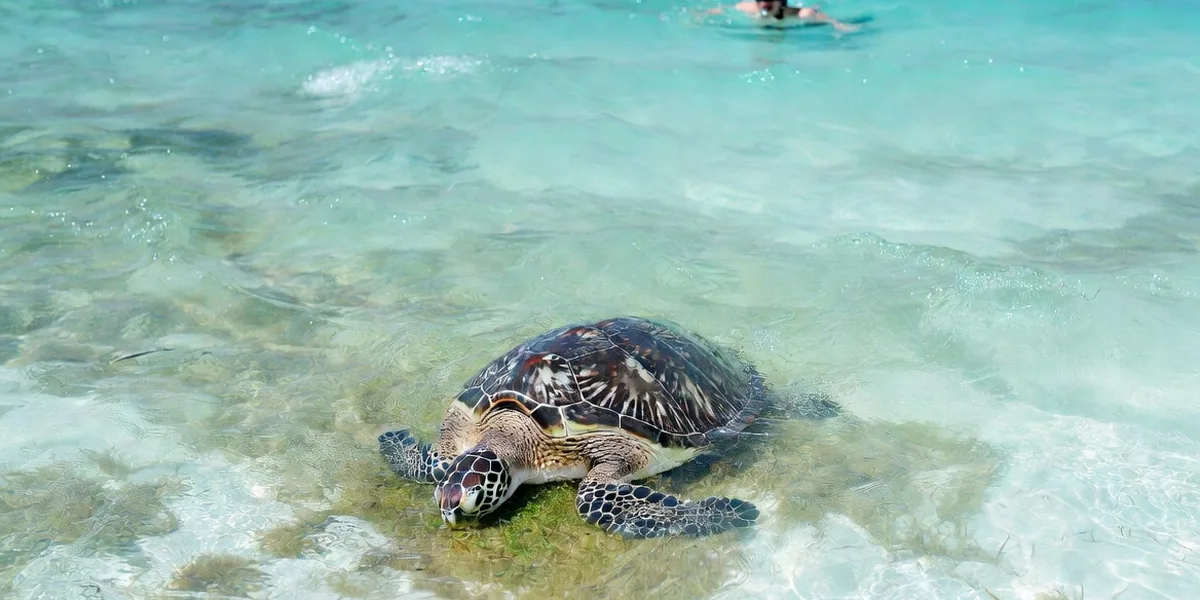
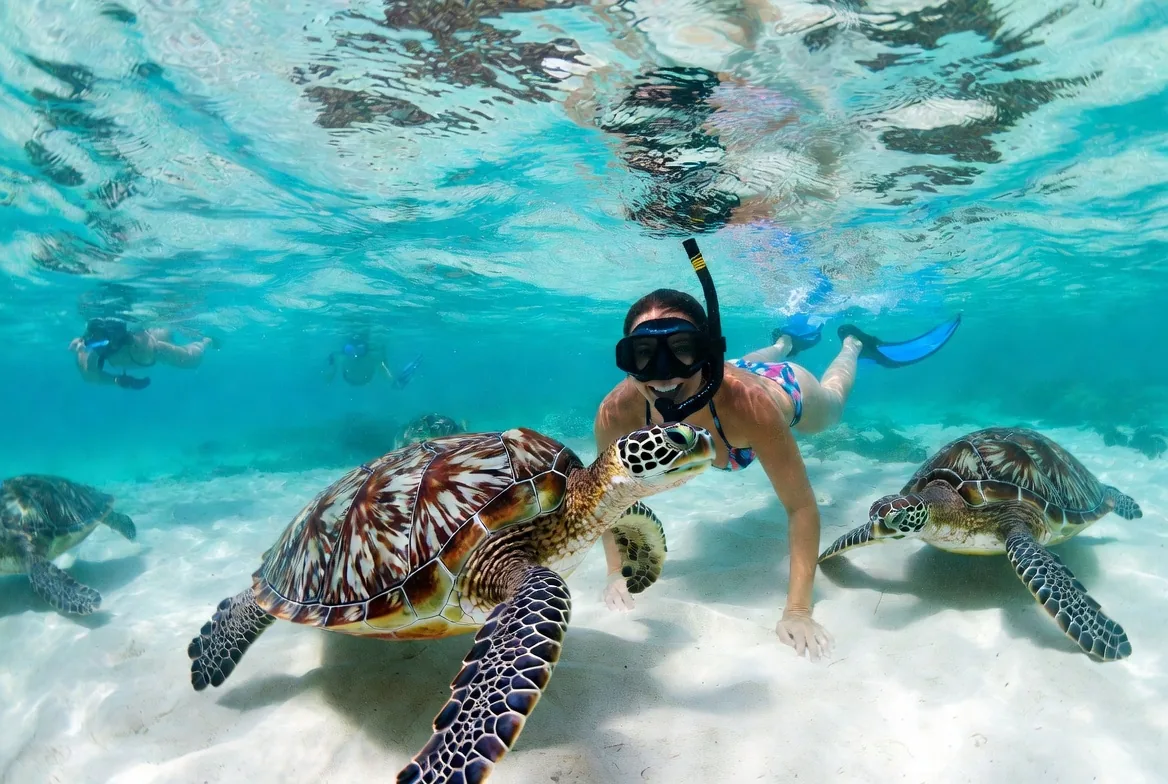
Akumal — "Place of the Turtles" in Maya — is the most reliable place in Mexico to swim with sea turtles directly from a beach. No boat. No lottery. You wade in, put on a mask, and within minutes you are face-to-face with a green sea turtle feeding on seagrass in 2–4 meters of water. The bay sits at KM 255 on Highway 307, halfway between Playa del Carmen and Tulum, and the turtles are year-round residents, not seasonal visitors.
But Akumal in 2026 is not the free-for-all it was five years ago. It is a regulated marine protected area with mandatory guides for the main turtle zone, session time limits, a $15–20 environmental fee, and an 8 AM arrival window that matters more than any other piece of advice in this guide. Most blog posts are still describing rules from 2018. Here is what actually applies now, the full cost breakdown, and how to get the best experience without getting trapped in the tour-bus rush.
Official Akumal Turtle Snorkeling Rules (2026)
Akumal Bay is a federally protected marine zone managed by CONANP. To snorkel with turtles in the main bay you must (1) enter via the official access point and pay the environmental fee, (2) wear a flotation vest, (3) stay with a certified guide inside the regulated zone, and (4) keep a 3-meter distance from any turtle and never touch one. Sessions cap at roughly 45 minutes with a 6-person group cap per guide. Independent snorkeling is permitted only outside the regulated zone, accessed from the public beach to the north of the bay.
Can you still swim with turtles at Akumal in 2026?
Yes — Akumal Bay still allows turtle snorkeling in 2026, but only inside the regulated zone with a CONANP-licensed guide, a Lycra suit, no sunscreen, and a strict no-touch rule. Independent snorkeling is restricted to the swim corridor outside the seagrass beds. Plan on $40–60 USD per person for a 60-minute guided tour.
How to Swim With Sea Turtles in Akumal — Step by Step
- Arrive at 8 AM opening. The bay is calmest, visibility is best, and tour buses from Cancún do not arrive until 10 AM. This single decision determines the quality of your experience more than anything else.
- Pay the environmental fee at the entrance. Approximately $15–20 USD (200–350 MXN). Cash in pesos preferred. This is mandatory and non-negotiable.
- Decide guided vs independent. Guided ($25–40) gets you into the deeper seagrass zone where turtle encounters are nearly guaranteed. Independent keeps you in the near-shore shallows where sightings happen but are less reliable.
- Apply biodegradable sunscreen 30 minutes before entering. Chemical sunscreen is banned and enforced at the gate. Bring your own or buy reef-safe at the entrance.
- Wear the life jacket. Mandatory in the guided zone. It is what keeps you on the surface and the turtles undisturbed. The view from the surface is the best view anyway.
- Follow the wildlife rules. Stay 3 meters (10 feet) from turtles. No touching, no chasing, no diving down, no flash photography, no selfie sticks near animals. CONANP rangers enforce — fines apply.
- Don't stop at the main bay. Walk north to Half Moon Bay for the reef and Yal-Ku Lagoon for tropical fish. Drive 5 minutes to Cenote Dos Ojos. The full morning loop is one of the best half-days on the Riviera Maya.
Akumal Bay Snorkeling Rules in 2026
Akumal Bay was declared a marine protected area in 2016 under CONANP (Mexico's National Commission of Natural Protected Areas). The regulations have tightened over the years as the bay went from a quiet local snorkel spot to one of the most visited marine sites on the Riviera Maya. Here is what applies now:
Two zones, two sets of rules. The near-shore zone (roughly the first 50 meters from the beach, in 1–2 meters of water) is accessible to independent snorkelers after paying the environmental entrance fee. Turtles do surface here, especially during morning feeding. The deeper seagrass zone (where turtle density is highest) requires a licensed guide from one of the authorized cooperatives operating on the beach.
Guided sessions: Groups are limited to 6 snorkelers per guide. Sessions last a maximum of 55 minutes. The guide controls the route and enforces wildlife distance rules. You must maintain at least 3 meters (10 feet) from all turtles. No touching, no chasing, no diving under the surface in the guided zone. Life jackets are mandatory — this prevents snorkelers from diving down and disturbing turtles on the seagrass beds.
Snorkeling hours: 8 AM to 5 PM. No snorkeling before or after these hours in the protected zone.
What is not allowed: Fins (they kick up sediment and can injure turtles), chemical sunscreen (biodegradable only, applied 30+ minutes before entering the water), standing on seagrass beds, flash photography, and selfie sticks close to turtles. CONANP rangers patrol the bay and enforce these rules. Violations carry fines.
Akumal is the one spot on the Riviera Maya where you can wade in from the beach and be face-to-face with a sea turtle in five minutes. No boat, no $80 tour, no lottery. That is genuinely rare. But go at 8 AM — by 10 the bay is a traffic jam of snorkelers bumping into each other and the turtles head for deeper water.
The guide requirement for the deeper zone is worth it. Yes, it adds cost. But the guides know where the turtles are feeding, keep groups small, and the regulated access means the turtles stay calmer and more visible. The independent near-shore zone is fine for a chance encounter, but the guided zone is where the reliable sightings happen.
How Much Does Akumal Bay Snorkeling Cost in 2026
Environmental entrance fee: Approximately $15–20 USD (200–350 MXN). This is the mandatory fee to access the beach and bay, paid at the entrance. Pricing is set by the ejido (community land authority) and can change — confirm at the gate.
Guided turtle snorkel tour: $25–40 USD per person, depending on whether it is a group or private tour. This covers the licensed guide, the 55-minute session in the deeper turtle zone, and usually a life jacket. Groups fill up — you may wait 15–30 minutes on busy days for enough people to form a group.
Snorkel gear rental: $10–15 USD for mask and snorkel. The quality varies — some rental masks fog up badly. Bringing your own mask and snorkel is the single best thing you can do to improve the experience. No fins needed (they are not allowed in the turtle zone anyway).
Total cost for a guided experience with rental gear: Roughly $50–75 USD per person. With your own gear: $40–60 USD.
Parking: Paid lots near the beach entrance. Bring pesos. If you arrive by colectivo or taxi, no parking needed.
What to Bring to Akumal
- Your own mask and snorkel. Rental quality is inconsistent. A foggy mask in the one place you came to see underwater is a waste.
- Biodegradable sunscreen. Chemical sunscreen is banned and enforced. Apply 30+ minutes before entering the water.
- Rash guard or UPF shirt. Better than sunscreen for reef protection. The morning sun on the bay is intense.
- Cash in pesos. Entrance fee, parking, and most local services prefer pesos. ATMs are limited in Akumal town.
- Reef-safe water shoes. The beach has some rocky patches near the water entry points.
- Underwater camera or GoPro. No selfie sticks near turtles, but a camera in hand is fine. Flash off.
- Water and a snack. The on-beach restaurants are decent but pricey. A bottle of water and something to eat between sessions saves money.
- A towel and dry clothes. Changing facilities exist but are basic.
Best Time to Snorkel in Akumal
Best time of day: Before 9 AM. The bay is calmest, visibility is at its best (10–15 meters on clear mornings), and the crowd has not arrived yet. Tour buses from Cancún start rolling in around 10 AM and the bay shifts from peaceful to congested. If you can only pick one time: 8 AM opening. If you want a second window: after 3 PM when the day-trip crowd thins out and turtles return to the shallows to feed.
Best time of year: November through May for the clearest water and least sargassum. October and November are the quiet sweet spot — turtle feeding is active, sargassum has mostly cleared, and holiday crowds are months away. Avoid Semana Santa (late March/early April) — the bay is packed.
Turtle seasonality: The green and loggerhead sea turtles in Akumal Bay are year-round residents that feed on the seagrass beds. There is no "turtle season" for snorkeling — sighting rates are high in every month. Nesting season (May through October) is when females come ashore to lay eggs on nearby beaches like Chemuyil and X'cacel, but this does not affect the in-water feeding population.
Sargassum note: Akumal faces east-southeast, putting it in the same sargassum belt as Tulum and Playa del Carmen. During heavy months (July through September), seaweed can accumulate on the beach and reduce surface visibility. The underwater seagrass beds remain accessible even when surface sargassum is present — the turtles keep feeding regardless.
Akumal Bay is one of the most visited snorkel spots on the Riviera Maya. From 10 AM to 2 PM the water is crowded enough to diminish the experience for you and the turtles. Early morning has the best light, calmest water, and a fraction of the crowd. Cenotes near Cancún.
Guided Tour vs Independent Snorkeling
Guided (recommended for first visit): Access to the deeper seagrass zone where turtle density is highest. The guide knows the current feeding spots, keeps the group together, and manages the 55-minute window. Groups of 6 max. The life jacket requirement keeps you on the surface, which is actually the ideal viewing angle for turtles feeding below. Cost: $25–40 per person on top of entrance fee.
Independent: You pay the entrance fee and snorkel the near-shore zone on your own. You will likely see turtles — they surface in the shallows, especially during morning feeding — but encounters are less reliable than in the guided deeper zone. The advantage is flexibility: no time limit, no group, your own pace. Best for experienced snorkelers who are comfortable in open water and patient enough to wait for turtles to come to them.
The honest take: If this is your first time at Akumal and seeing turtles is the whole point, do the guided tour. The extra $30 gets you into the zone where the turtles are feeding with near-certainty. If you have been before or are comfortable freelancing in the water, the independent option works and saves money.
Book a Sea Turtle Snorkel Tour in Akumal
Guided snorkel tours with certified guides, equipment included. Also available as part of a Tulum and cenotes day trip from Cancún or Playa del Carmen.
A guest staying at the Riu Playacar did the guided turtle excursion mid-week and had turtles approaching within arm's reach — their one-line review: absolutely worth the money.
A visitor who has been coming to Akumal for years gives first-timers the same advice every time this comes up: take the dive-center tour on your first visit — gear, locker, and a guide who knows where the turtles feed — and decide on your second trip whether you want to go independent.
Several commenters made the same side note about the town itself: it is compact, relaxed, and easy to cover on foot, with a couple of shops worth a browse between swims.
Mr. Playas' read of the thread: it lands exactly where this page does. First visit, take the guide — the deeper seagrass zone is guide-only and actively watched, so treat the guide fee as part of the ticket rather than something to work around.
From a discussion on r/playadelcarmen.
Akumal vs Other Places to Swim With Turtles in Mexico
Akumal is the gold standard for shore-based turtle snorkeling, but it is not the only option in Mexico. Travelers keep confirming this the hard way — in one r/cancun thread, a snorkeler who covered the whole south side of Isla Mujeres without spotting a single turtle reported seeing plenty at Akumal without even trying. Here is the honest comparison:
Akumal vs Xel-Há: Xel-Há is a manicured eco-park with turtles in a controlled lagoon environment. Reliable sightings, family-friendly, includes lunch and unlimited drinks for $90+ USD all-in. Akumal is wilder, cheaper, and the turtles are in their natural feeding grounds. Xel-Há for convenience and kids; Akumal for the real experience.
Akumal vs Xcaret River: Xcaret has rehabilitation pools where you can see turtles up close, but you do not actually swim with free-roaming animals. It is closer to a marine park exhibit than open-water snorkeling. Different category of experience.
Akumal vs Cozumel: Cozumel has boat-based snorkeling and diving with occasional turtle encounters on reef sites like Palancar and Columbia. Higher cost, less reliable turtle sightings, but world-class reef. Better for divers than turtle-focused snorkelers.
Akumal vs Cabo Pulmo: Cabo Pulmo on the Sea of Cortez has resident hawksbill and green turtles in a protected marine park. Boat-based, fewer crowds, completely different ecosystem (rocky reef instead of seagrass). For the adventurous traveler willing to make the trip to Baja.
Akumal vs Mahahual / Xcalak: The southern Costa Maya has turtles on the outer reef, accessed by boat from local dive operators. Less infrastructure, far fewer tourists, world-class reef. For divers and remote-snorkel enthusiasts willing to drive 5+ hours south.
The verdict: For shore-based snorkeling with the highest reliability of seeing wild sea turtles in their natural feeding habitat, Akumal is the answer. It is why this small bay shows up on every Riviera Maya itinerary.
Akumal Bay vs Half Moon Bay vs Yal-Kú Lagoon
There are three distinct snorkeling areas in Akumal. Most visitors only see the main bay. Doing all three in a morning is possible and gives you three completely different underwater experiences.
Akumal Bay (main beach): Where the turtles are. Shallow seagrass beds, calm protected water, the guided turtle zone. The coral inside the bay itself is modest — you are here for the turtles, not the reef.
Half Moon Bay: About 700 meters north, accessed via a small road. Significantly less crowded. Fewer turtles than the main bay but better coral, more reef fish, and occasional eagle rays and nurse sharks. The reef structure here is more developed and the water is deeper. Best for experienced snorkelers who want reef quality over turtle encounters.
Yal-Kú Lagoon: A natural inlet north of Half Moon Bay where freshwater from underground cenote systems mixes with seawater. The result is a halocline effect — layers of fresh and salt water that create a shimmering visual distortion. Tropical fish are abundant. Turtles occasionally visit. The lagoon is calmer and shallower than the bay, making it excellent for less confident swimmers and kids. Entrance fee: approximately $15 USD.
The play: Arrive at 8 AM, do the guided turtle tour in Akumal Bay. Walk north to Half Moon Bay for the reef. If you still have energy, continue to Yal-Kú Lagoon. Three different underwater environments in one morning.
Cenote Dos Ojos — 5 Minutes from Akumal
Cenote Dos Ojos is approximately 5 km north of Akumal off Highway 307. Two open-air cenote pools connected to the world's longest known underwater cave network. Snorkeling in crystal-clear freshwater with stalactites visible above and below the waterline. A completely different underwater experience from the bay — dark caves, mineral formations, and visibility so clear the water feels invisible.
Cost: Entrance fee approximately $20 USD (400 MXN) for snorkeling. Cave diving with a certified operator: $70–120 USD additional. Cash only (pesos preferred).
The combination: Akumal turtles in the morning, Dos Ojos cenote in the early afternoon. Saltwater seagrass bay followed by freshwater cave system — two of the best underwater experiences on the Riviera Maya in the same half-day. This is the day trip that justifies renting a car. For more cenote options, see the cenotes near Cancún guide, or compare guided trips in the best cenote tours from Cancún.
Akumal Monkey Sanctuary — The Family Stop
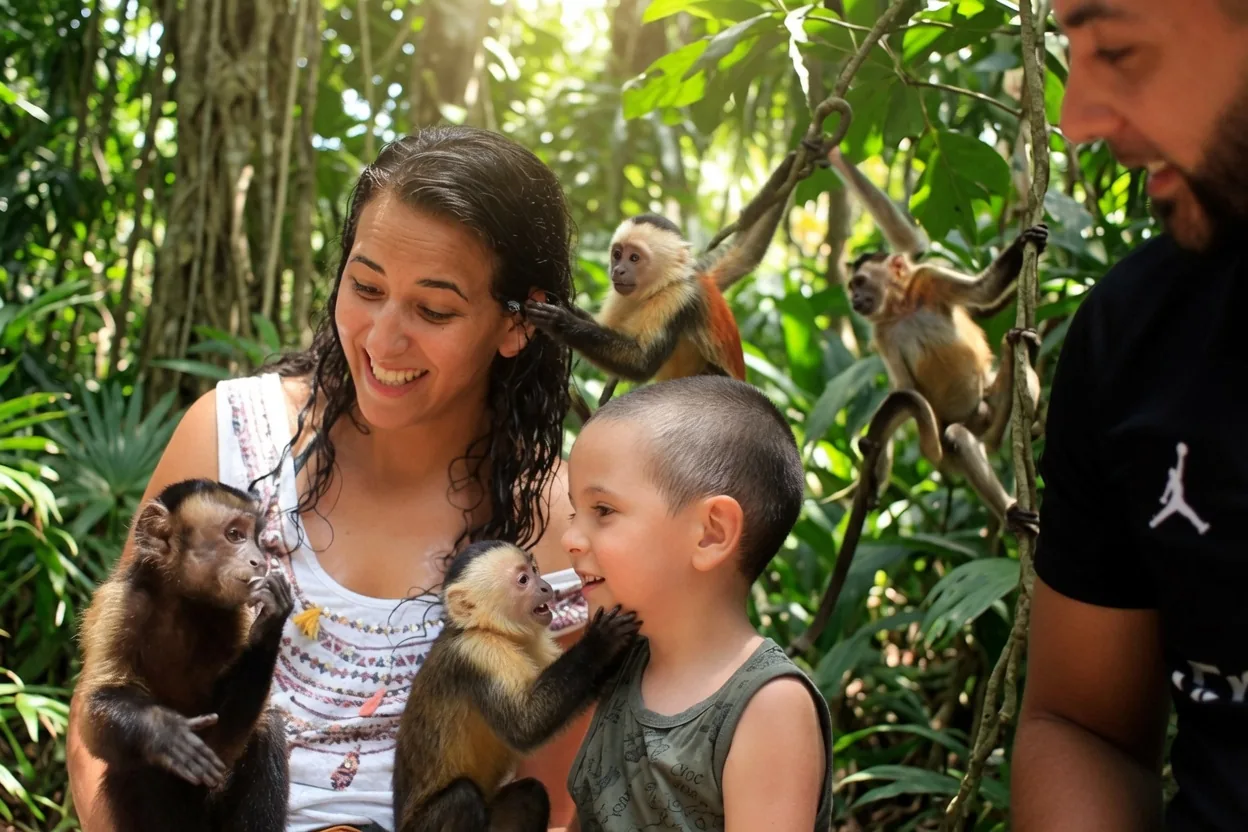
A few minutes inland on the road to Akumal, the Akumal Monkey Sanctuary is a rescue and rehabilitation center, not a petting zoo. Guided walks (about two hours) run through enclosures of rescued capuchins, spider monkeys, macaws, and other animals — most surrendered as illegal pets or injured in the wild. Some are released when they can survive; the rest get a permanent home. It rates 4.7 stars across 3,400+ visitor reviews, which is rare for a Riviera Maya animal attraction.
Practical notes: open 9 AM – 5 PM daily; guided tours only, so arrive earlier in the day. Book ahead in high season. It pairs cleanly with a morning at the bay — turtles first while the water is calm, monkeys after lunch when the bay is crowded anyway. For families, it's the strongest non-water activity within five minutes of Akumal.
Getting to Akumal
Akumal is directly on Highway 307, well-signed at KM 255. From Playa del Carmen: 30 km south, about 30–35 minutes by car. From Tulum: 25 km north, about 20–25 minutes. From Cancún Hotel Zone: approximately 100 km, about 90 minutes.
Colectivo vans: The cheapest option. Shared minivans run Highway 307 between Playa del Carmen and Tulum every 5–10 minutes from about 5 AM to 11 PM. Cost: 40–60 MXN (~$2–3 USD). Tell the driver "Akumal" — you will be dropped at the highway junction. Walk about 700 meters to the beach entrance or grab a $3 taxi.
ADO bus: Buses from Cancún to Tulum stop at the Akumal exit on Highway 307. Cost: approximately $8–12 USD from Cancún. Same walk or short taxi to the beach.
Rental car: The best option if you plan to combine Akumal with Cenote Dos Ojos and other Highway 307 stops. Parking available near the beach entrance (paid, bring pesos). Rentals from Cancún or Playa del Carmen start around $25–35/day.
A couple traveling with their 8-year-old booked a guided snorkel online before leaving Playa del Carmen: roughly $95 USD total for two adults and a child, covering the guide, gear, life vests, entrance fee, a locker, and underwater photos. The guide even brought a tow ring so their daughter could rest during the open-water stretch — they came back calling it a great first-timer setup.
Their transport lesson is worth stealing: the bus they had planned on runs far less often than the internet suggests, and the colectivo stop was not where they expected. A taxi from Playa del Carmen saved the day for about $32. Leave margin, or book a tour with pickup and skip the puzzle entirely.
One commenter's contrarian timing tip: late afternoon, when the day-trip crowd has cleared out, the bay empties and the low sun angle lights up the reef — the opposite play to the 8 AM strategy, and it works.
Mr. Playas' take: if you are bringing kids, booking ahead dissolves every logistics headache in this section. And pair the trip with a cenote — Kantun Chi, right off Highway 307 with five cenotes on one site, came up in the same thread as the easy colectivo-friendly add-on.
From a discussion on r/playadelcarmen.
Day Trip vs Staying Overnight
Akumal works best as a half-day or full-day trip from Playa del Carmen or Tulum. The town itself is small — a handful of restaurants, a dive shop, and a few beachfront hotels. There is not enough to fill more than a day unless you are diving multiple sessions.
The exception: if you want to snorkel at 8 AM opening without driving in the dark, staying overnight at one of the beachfront hotels (Secrets Akumal, Akumal Bay Resort) gives you sunrise access and an empty bay before anyone else arrives. Worth it for a special occasion; overkill for most visitors.
Mistakes to Avoid
Arriving at 10 AM. This is when the tour buses from Cancún arrive. The bay goes from peaceful to congested in about 30 minutes. If you are paying for a guided turtle tour, the experience at 8 AM and at 11 AM are not the same experience. The turtles are calmer, the water is clearer, and the crowd is absent before 9 AM.
Using rental snorkel gear without checking it. Rental masks at Akumal vary from acceptable to terrible. A foggy mask in the one place you specifically came to see underwater is a waste. Bring your own mask and snorkel if you own them. A decent set costs $20–30 and pays for itself on the first use.
Wearing chemical sunscreen. Biodegradable sunscreen is mandatory. This is not a suggestion — it is enforced at the entrance. Apply it 30+ minutes before entering the water so it absorbs properly. Better yet: wear a rash guard and skip the sunscreen on your torso entirely.
Only visiting the main bay. Half Moon Bay has better reef and fewer people. Yal-Kú Lagoon has a unique freshwater-saltwater mix with tropical fish. Cenote Dos Ojos is 5 minutes away. Most visitors see only the main bay and leave. The full morning — bay, Half Moon, Yal-Kú, then Dos Ojos — is one of the best half-days on the Riviera Maya.
Going on a weekend or during Semana Santa. Weekdays are significantly calmer. Semana Santa (late March/early April) turns Akumal into a zoo. If your dates fall during a holiday week, arrive at opening or consider Chemuyil — a quieter protected cove 5 km south with far fewer visitors and occasional turtle sightings.
Diving in Akumal
Akumal Dive Center is one of the longest-operating dive shops on the Riviera Maya. Reef dives depart from the bay; cave diving trips go to Dos Ojos and the surrounding cenote system. A two-tank reef dive runs $80–110 USD. Cave diving requires Open Water certification minimum; a certified cave guide and dive light are mandatory.
Full-day packages combining ocean reef diving and cenote cave diving are a popular option for certified divers — two completely different underwater environments in one day. The Mesoamerican Barrier Reef runs along the outer edge of Akumal Bay, and boat dives to the outer reef offer dramatically better coral and marine life than anything visible from shore.
Akumal delivers what it promises: sea turtles in shallow water, reachable from the beach, no lottery involved. That is genuinely rare and worth the trip from anywhere on the Riviera Maya. The regulations have made the experience more structured than it used to be, but they have also kept the turtles in the bay — which is the whole point.
The best version of an Akumal day: arrive at 8 AM, do the guided turtle tour, walk north to Half Moon Bay for the reef, then drive 5 minutes to Cenote Dos Ojos for the cave snorkeling. Lunch at the Lol-Ha restaurant on the beach. You will have had three completely different underwater experiences before 2 PM. That is a hard day to beat anywhere in Mexico.
Combine Akumal with Cenote Dos Ojos
Guided day trips from Cancún, Playa del Carmen, and Tulum combine the Akumal turtle bay with Dos Ojos cenote — two completely different underwater worlds in one morning.
More Riviera Maya Guides
Frequently Asked Questions
Yes, in the near-shore zone (first ~50 meters). To access the deeper seagrass zone where turtle density is highest, you need a licensed guide. Groups of 6 max, 55-minute sessions. Independent snorkelers can still see turtles in the shallows, especially during morning feeding.
Environmental entrance fee: ~$15–20 USD. Guided turtle tour: $25–40 USD. Snorkel gear rental: $10–15 USD. Total guided experience: roughly $50–75 USD per person. Bring your own mask to save $10–15 and get a better experience.
Not guaranteed, but extremely reliable. The turtles are year-round residents feeding on seagrass — not seasonal visitors. On most mornings, most snorkelers in the guided zone see multiple turtles. Before 9 AM has the highest encounter rates.
Before 9 AM for the calmest water, best visibility, and fewest people. Tour buses from Cancún arrive around 10 AM. After 3 PM is a decent second window. November through May offers the clearest water. Avoid Semana Santa and weekends.
Akumal Bay for shore-based snorkeling — the most accessible and reliable. For boat-based encounters: Cabo Pulmo on the Sea of Cortez and Cozumel reef sites. For controlled-environment family options: Xel-Há. Akumal is the only one where you can wade in from the beach with near-guaranteed sightings.
About 25 km north, roughly 20–25 minutes by car. Colectivo vans run every 5–10 minutes for ~$2 USD. Akumal is a natural stop on a Tulum day trip, especially combined with Cenote Dos Ojos (5 km north of Akumal).
Yes. The bay is calm, shallow (2–4 meters), and life jackets are provided. The guided tours accommodate families. Yal-Kú Lagoon (north of Akumal) is even calmer and shallower — better for very young or less confident swimmers.
For independent and walk-up guided tours on the beach: no advance booking needed. For organized day trips from Cancún or Playa del Carmen that include transport: booking through Viator or a tour operator is recommended, especially in high season.
Cenote Dos Ojos (5 km north, cave snorkeling), Half Moon Bay (700m north, better reef), Yal-Kú Lagoon (freshwater-saltwater mix, tropical fish), and Chemuyil Beach (5 km south, quieter alternative). All reachable within 10 minutes of the main bay.