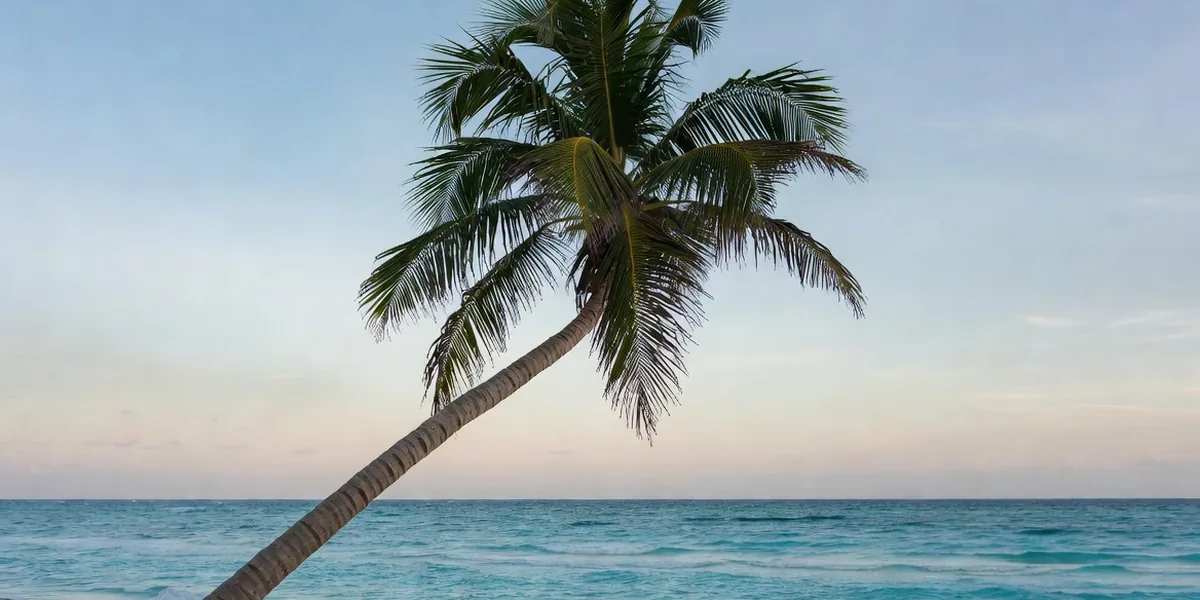
Tulum's beaches became famous because they earned it: white sand, turquoise Caribbean water, Mayan ruins on a cliff. That combination does not exist anywhere else in Mexico. The problem in 2026 is not the beaches — the water is still extraordinary — it is the access economy that has grown around them. Beach clubs with $50–100 minimum spends, a new national park with stacked entry fees that change without notice, and gate staff who will happily invent a charge for anyone who looks unsure. This page is the ranking and the operating manual: which beaches are worth your time, what each one actually costs to reach, and where the genuinely free access is.
New to Tulum? Start with the complete Tulum guide.
Quick Picks: Tulum Beaches at a Glance
- Playa Paraíso — the postcard; go before 8 AM (inside Parque del Jaguar)
- Playa Ruinas — swim below a 13th-century Mayan city (via the ruins ticket)
- Playa Santa Fe — best public beach day, no minimum spend (inside the park)
- Playa Pescadores — the working beach; snorkel boats leave from here (inside the park)
- Northern hotel zone — same water, fraction of the crowd
- Southern hotel zone — the beach-club strip; pay for the scene, not the sand
- Xpu-Há — the escape hatch 20 minutes north when Tulum prices wear you out
- Akumal — sea turtles, 25 minutes north
The Jaguar Park Reality — Read This Before Anything Else
In late 2024 the famous north end of Tulum's beach — Playa Paraíso, Playa Santa Fe, Playa Pescadores, and the beach below the ruins — was folded into Parque del Jaguar, a 2,500-hectare protected reserve wrapped around the archaeological zone. The conservation logic is real: plastic is banned, vendors are gone from the sand, cars are restricted, and free electric shuttles move people between the entrances, the ruins, and the beaches. The beaches themselves are in the best shape they have been in years.
The fee structure is where visitors get lost, because it is three charges stacked by three different agencies. As of mid-2026, a foreign adult pays roughly 295 MXN for the park itself, 60–120 MXN for the CONANP conservation bracelet, and 100 MXN more at the INAH booth if you also enter the ruins — call it 515 MXN (about $28 USD) all-in, or roughly 355–415 MXN for a beach-only day. Children under 12 have entered free, Mexican nationals pay less, and Sunday discounts apply to residents.
Two things matter more than the exact numbers. First: the numbers move. Fees have been raised, restructured, and protested repeatedly since the park opened, and pedestrian-only beach access through the marked blue-sign entrances has at times been free while vehicle access was not. Carry pesos in cash, confirm at the gate, and treat anything printed online — including this page — as a snapshot. Second: pay only at official booths. The approach road attracts people selling parking, "beach entrance," and guiding services that are not what they claim. The official sequence is the park booth, the bracelet, and — only if you want the ruins — the INAH window.
The thread's core correction to the day-pass mindset: every beach in Mexico is public. What the clubs control is their grounds and their furniture, not the sand — you owe money only if you want the daybed, the pool, or the kitchen. Watch for anyone selling 'beach entrance' with nothing attached to it.
The access reality: inside Jaguar Park, Playa Paraíso and the nearby stretches are the straightforward play after the park fee — and one visitor on the ground reported that fee jumping from 60 to 350 pesos with no warning, which is exactly why this page tells you to confirm pricing at the gate.
The escape-hatch recommendation that keeps surfacing across subreddits: Xpu-Há, up the coast toward Akumal, for a quieter and cheaper beach day than anything on Tulum's hotel strip.
Mr. Playas' take: the beach is free; the access economy around it is not. Know the difference before someone at a gate invents a fee for you.
From a discussion on r/tulum.
1. Playa Paraíso — Still the Best, But Go Early
This is the postcard beach. The photograph that made Tulum famous was taken here: white sand, palm trees leaning over from the left, turquoise water disappearing into the horizon. It is still that beautiful. It is also, between 10 AM and 4 PM in December through March, packed.
The solution is not to skip Playa Paraíso. It is to arrive when the park opens at 8 AM, when the light is better anyway and the beach belongs to the handful of people willing to get there first. Take the free electric shuttle from the entrance or walk the shaded path. The beach restaurants inside the park open mid-morning; before that, the sand is yours.
Cost reality: park entry only — no minimum spend on the public stretch. Loungers and palapas rent separately from the operators on the sand; agree on the price before you sit down.
2. Playa Ruinas — The Combination That Justifies Tulum Entirely
The beach directly below the Tulum archaeological site is one of the genuinely unrepeatable things in Mexico. You are swimming in the Caribbean with a 13th-century Mayan city on the cliff above, looking down. Access is from inside the ruins site, which means the full fee stack — park, bracelet, and the 100 MXN INAH ticket — and that filters the crowd significantly.
The staircase to the sand closes when nesting turtles or surf conditions demand it, so treat the swim as a bonus rather than the plan. Even when the stairs are closed, the clifftop view over the beach is the best photograph in Tulum. Go at 8 AM opening or after 3 PM; the midday window belongs to the bus tours from Cancún.
3. Playa Santa Fe — The Best Public Beach Day in Tulum
Santa Fe is the answer to the question half of Tulum's visitors are actually asking: where can I have a beach day without a beach club bill? It sits inside the park just south of Pescadores — wide sand, calm water, palapa shade, and food from the long-standing beach restaurants rather than a curated club menu. After the park fee there is no minimum spend. Bring a towel and pesos for lunch and you have the full Tulum beach at a fraction of the hotel-zone price.
Rented loungers and umbrellas are available but optional. Weekends bring local families, which is the best endorsement a Mexican beach can have.
4. Playa Pescadores — The Working Beach
The fishermen's beach at the north end is where the pangas moor and where the snorkeling and Sian Ka'an boat operators load up each morning. It is less manicured than Paraíso and better for it — this is the stretch with actual life to watch. If you want a reef snorkel trip without booking days ahead, the cooperative here runs short outings to the reef line at prices that undercut the hotel-zone concierges. Confirm the price and duration before boarding.
Pairing a beach day with the reef or the biosphere? The boat options are covered in things to do in Tulum.
5. The Northern Hotel Zone — Same Water, Fraction of the Crowd
The first stretch of hotel-zone sand south of the park entrance gets overlooked because it lacks a famous name, and that is the appeal. The water is identical, the sand is wide, and the smaller hotels along it are far less aggressive about claiming territory than the club strip further south. Public accesses between properties are marked — narrow, occasionally signposted with discouraging language, but legal. Walk past the signs. The water is public.
6. The Southern Hotel Zone — Pay for the Scene, Not the Sand
The southern beach road is the Tulum of the photographs with people in them: boutique hotels, beach clubs, DJs by mid-afternoon. Minimum spends run $50–100 USD per person at the name venues, more during holiday weeks. The honest framing: you are not paying for better sand — Santa Fe's is as good — you are paying for the daybed, the service, and the scene. If that is the trip you want, it delivers. If it is not, nothing on this stretch justifies the bill.
Book Tulum Beach and Reef Experiences
Ruins-plus-beach combos, reef snorkeling, cenote pairings, and Sian Ka'an trips from Tulum, Playa del Carmen, and Cancún — compare options and reviews on Viator.
7. Xpu-Há — The Escape Hatch 20 Minutes North
When the Tulum access economy wears you out, Xpu-Há is the reset: a long, wide bay off Highway 307 between Akumal and Puerto Aventuras, with a couple of relaxed clubs, cheap entry through the access road, and water as good as anything in Tulum. It is where Playa del Carmen locals go for a nice beach, and it keeps earning unprompted recommendations from travelers comparing notes online. Colectivos on the highway drop you at the access road; the walk in is about ten minutes.
8. Akumal — Sea Turtles, 25 Minutes North
Akumal is not a Tulum beach, but no honest Tulum beach guide skips it: a calm, protected bay where green and loggerhead turtles feed on the seagrass year-round, close enough that you can snorkel with them in the morning and be back on Tulum sand by mid-afternoon. The bay is regulated — guided access to the deeper turtle zone, biodegradable sunscreen only, and an environmental entrance fee.
The full breakdown — rules, costs, timing, and the guided-vs-independent decision — is in the Akumal turtle snorkeling guide.
Sargassum — The Season That Decides Your Trip
Tulum faces directly east into the Yucatán Current, which makes it one of the hardest-hit stretches of the coast when sargassum arrives. May through August is the heavy window, June and July usually the worst. The park and the beachfront hotels rake each morning, and early hours are consistently the cleanest — but on a heavy day the waterline is brown by noon and no amount of raking hides it.
October through April, the beaches look like the photographs. If your dates are locked into summer and the beach is the point of the trip, consider basing at Cancún's north-facing Hotel Zone beaches, which take far less seaweed, or plan cenote and Sian Ka'an days for the afternoons. Timing details are in the best time to visit Tulum guide.
Getting to the Beaches Without a Car
From Tulum town: the park entrances are 3–4 km east. A bike is the local move — rentals run about 150–250 MXN per day, the ride is flat, and pedal or foot entry has at times been cheaper than arriving by car. Taxis from town to the beach road run 150–250 MXN depending on your negotiation and the season. Inside the park, the free electric shuttles connect the entrances, the ruins, and the beach access points.
From Playa del Carmen or Cancún: ADO buses run to Tulum town all day; colectivos cover the same highway for less. The Maya Train station sits inside the park itself, with a shuttle connection to the entrance area. However you arrive, bring pesos in small bills — the booths' card terminals fail often enough that cash is the plan, not the backup.
Which Beach for Which Trip
| You want | Go to | Cost beyond park fee |
|---|---|---|
| The postcard photo | Playa Paraíso at 8 AM | None on the public stretch |
| History you can swim under | Playa Ruinas | 100 MXN INAH ticket |
| A cheap full beach day | Playa Santa Fe | Lunch money |
| A snorkel boat without planning | Playa Pescadores | Boat fare — agree first |
| Quiet sand, no scene | Northern hotel zone | Free via public accesses |
| The daybed-and-DJ day | Southern club strip | $50–100 USD minimum spend |
| Out of the Tulum economy | Xpu-Há | Small access fee + lunch |
| Sea turtles | Akumal | Entrance fee + optional guide |
Mistakes to Avoid
Paying anyone outside an official booth. The approach to the park attracts freelance "fee collectors" and parking hustlers. The legitimate charges happen at the marked park booth, the CONANP bracelet point, and the INAH window — nowhere else.
Arriving midday in high season. Between the Cancún bus tours and the heat off the limestone, 10 AM to 3 PM is the worst version of every beach on this page. The 8 AM opening and the post-4 PM light are two different, better trips.
Buying a beach-club day pass to "get beach access." The pass buys furniture and food credit, not the sand. If all you want is the beach, Santa Fe costs a park ticket and the club strip costs nothing through the public accesses.
Building a summer trip around the beach without a sargassum plan. Check conditions the week before. If the bloom is heavy, front-load cenotes, ruins, and Akumal mornings, and take the beach hours early.
Tulum's beaches are still worth the trip — the water and the setting survived the hype intact. What changed is that showing up uninformed now has a price tag. Learn the three-fee structure once, carry pesos, and enter on foot or by bike, and the famous beaches cost you under $30 and deliver everything the photographs promised.
My actual routine: park opening at Santa Fe or Paraíso, swim until the boats and buses arrive, lunch from the beach restaurants, and out by 1 PM. If the day has a second act, it is Akumal's turtles or a cenote — not a $75 minimum spend to sit thirty meters from where I sat for free.
Frequently Asked Questions
Are the beaches in Tulum free?
Every beach in Mexico is public by law, including all of Tulum's. What costs money is access and furniture. The famous stretch — Playa Paraíso, Playa Santa Fe, Playa Pescadores, and the ruins beach — now sits inside Parque del Jaguar, which charges entry fees. The hotel-zone beaches south of the park are reached through beach clubs and hotels that charge minimum spends for their grounds and loungers, not for the sand itself. Pedestrian-only access points to the park beaches have at times been free — rules have changed repeatedly since late 2024, so confirm at the gate.
What is the best beach in Tulum?
Playa Paraíso is still the best all-around beach in Tulum — the postcard combination of white sand, leaning palms, and turquoise water. Playa Ruinas, directly below the Mayan archaeological site, is the most unrepeatable setting. For a public beach day without beach-club minimum spends, Playa Santa Fe inside Parque del Jaguar is the best value.
What is the best public beach in Tulum?
Playa Santa Fe and Playa Pescadores, both inside Parque del Jaguar at the north end of the beach road. After the park entry fee, there is no minimum spend — bring a towel and you are set. Palapas and loungers rent separately if you want them. Arrive before 9 AM for the calmest water and thinnest crowd.
How much does Parque del Jaguar cost in 2026?
For foreign adults, budget roughly 515 MXN (about $28 USD) for everything: the park management fee of around 295 MXN, a CONANP conservation bracelet of 60–120 MXN, and the 100 MXN INAH ticket if you also enter the ruins. Skipping the ruins drops the total to roughly 355–415 MXN. Fees have changed several times since the park was created in late 2024 and pedestrian beach access has occasionally been free — treat any number, including these, as subject to change and carry pesos in cash.
Can you swim at Tulum beaches?
Yes. Tulum sits inside the Mesoamerican barrier reef, so the water is calm and swimmable at nearly every beach — no Pacific-style undertow. The practical limits are sargassum accumulation from May through August and boat traffic near Playa Pescadores. October through April the swimming is as good as anywhere on the Caribbean coast.
When is sargassum season in Tulum?
May through August is the heavy window, with June and July typically the worst. Tulum's east-facing shore takes more seaweed than Cancún's north-facing Hotel Zone. Beachfront hotels and the park rake the sand each morning, but on heavy days the waterline is brown by noon. October through April the beaches generally look like the photographs.
How do you get to Tulum's beaches without a car?
From Tulum town: bike (20–30 minutes to the park entrances, rentals about 150–250 MXN per day), taxi (150–250 MXN to the beach road), or colectivo along the main highway with a walk in. Parque del Jaguar runs free electric shuttles between its entrances, the ruins, and the beach access points once you are inside. From Playa del Carmen or Cancún, ADO buses run to Tulum town all day.
Is Akumal better than Tulum for beaches?
Different purposes. Tulum has the scenery — the cliffs, the ruins, the long white stretch. Akumal, 25 minutes north, is where you reliably swim with sea turtles in a calm bay. If your priority is a beach day, stay in Tulum. If it is snorkeling with wildlife, do Akumal as the morning trip and be back on a Tulum beach by mid-afternoon.