Beaches on Isla Holbox
By Mr. Playas · Updated 2026
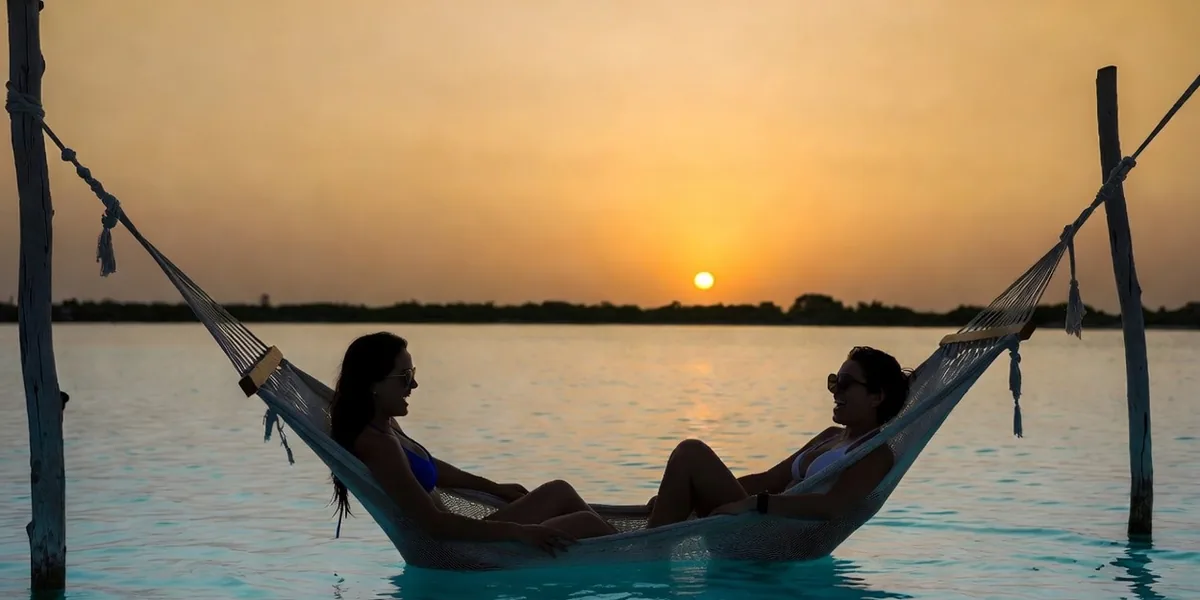
Holbox's beach runs nearly the entire length of the island's northern coast — about 30 km of unbroken sand. It is wide, backed by palms, and almost entirely undeveloped once you move west of the main town. The water is shallow enough to walk 100 meters offshore and still be knee-deep. The trade-off is color and clarity: Holbox faces the Gulf of Mexico, not the open Caribbean, and the water reflects that — greenish-clear, silty in places, and not the turquoise blue that the Riviera Maya is famous for.
That is not a reason to skip Holbox. It is a reason to come with accurate expectations. The beach experience here is about space, flatness, and natural wildlife — not snorkeling over coral. The flamingos wading in the distance at Punta Mosquito at sunset are something no Tulum beach club provides.
The Main Beach — In Front of Town
The beach directly in front of Holbox town is where most visitors spend time. Wide, sandy, lined with beach bars and palapa restaurants on the inland side. The water is very shallow — fine for wading, swimming in flat conditions, and floating. Not suitable for snorkeling. Sunset here faces north-northwest over the water and is generally excellent.
This section gets crowded during high season (December–January, July–August) particularly on weekends. Arrive early or walk 10 minutes east or west of the town center to find more space. The beach itself is wide enough that crowding never feels oppressive.
Verdict: Wide, flat, and walkable — the water is green, not turquoise. Adjust expectations and enjoy the space.
Punta Mosquito — Flamingo Territory
The eastern tip of the island, about 2.5 km from the town center. Punta Mosquito is a sandspit that extends into the lagoon and is home to a resident flamingo population that feeds in the shallow flats. In the dry season (November–April) when the water level in the lagoon drops, the flamingos congregate visibly from the beach — sometimes a few dozen, occasionally over a hundred in a single view.
Getting there: walk the beach from town (30–40 minutes), rent a bicycle, or take a golf cart to the end of the sandy road. The sandspit itself is a short wade from the beach — plan for ankle-to-knee depth water. The views back toward the island at this point are the best on Holbox. Go at sunrise or late afternoon.
Verdict: The flamingo beach. Worth the 30-minute walk for the birds and the view back toward the island. Go at sunrise or late afternoon.
The flamingos at Punta Mosquito are wild birds that feed based on conditions. They are consistently present November through April when dry season concentrates them. Ask locally before making the walk — the posada owners know the current situation. Holbox things to do.
Tours from Isla Holbox
Whale shark tours (June–September), bioluminescence kayak trips, and flamingo lagoon excursions — browse verified operators with free cancellation.
The Western Beach — Punta Coco and Beyond
The western end of the island, past the small community of Punta Coco, has the least developed and least visited stretches of beach on Holbox. The sand is wide and the palms are denser. Several small boutique properties have positioned themselves out here precisely for the quiet. Getting there requires a golf cart or bicycle — it is too far to walk from town for a casual beach visit.
This is where to go if the town beach feels too active. The water conditions are similar to the main beach. The difference is a near-complete absence of other visitors — particularly outside of peak season.
Verdict: The quiet end. Golf cart or bike required. If the town beach feels busy, this is the fix.
The Lagoon Side (South Shore) — Bioluminescence Territory
The southern shore of the island faces the Yalahau Lagoon rather than the open Gulf. This is not a swimming or sunbathing beach — it is where bioluminescence tours operate at night. The shallow, warm lagoon water contains the phytoplankton that glows when disturbed. During daytime, the lagoon side offers views of mangroves and bird life. At night, during the right conditions, it glows blue-green with each movement. See the things to do guide for bioluminescence tour details.
Verdict: Not a swimming beach. This is where the bioluminescence happens at night — the best after-dark experience on the island.
What to Know About the Water
The Gulf of Mexico meeting point produces consistently shallow, warm water with low wave energy. This makes it safe for children and casual swimmers. It also means the water carries a visible silt content that reduces visibility. On calm days it clears considerably. After wind events or boat traffic in the lagoon, it turns murkier.
Jellyfish are present seasonally — particularly from April through June. Nothing venomous enough to require medical attention in most cases, but enough to be irritating. Ask locally about current conditions before spending extended time in the water during those months.
Frequently Asked Questions
Different, not worse — as long as you know what you are getting. The sand is wide and beautiful. The water is not the turquoise blue Caribbean of Tulum or Playa Norte. It is shallow, greenish-clear Gulf water. The flamingos, the no-car atmosphere, and the width of the beach make up for it.
Yes. The water is very shallow and calm — ideal for wading and casual swimming. Not suitable for snorkeling (low visibility). Watch for jellyfish April–June and ask locally about conditions before extended swimming.
Walk the beach east from town (30–40 minutes), rent a bicycle, or take a golf cart. The last part involves wading ankle-to-knee depth across the sandspit. Wear sandals or go barefoot.
Not guaranteed daily, but reliably present November through April when dry season concentrates them in the lagoon shallows. Ask at your accommodation before making the trip east.
More on Isla Holbox: