Things to Do in Isla Holbox
By Mr. Playas · Updated 2026
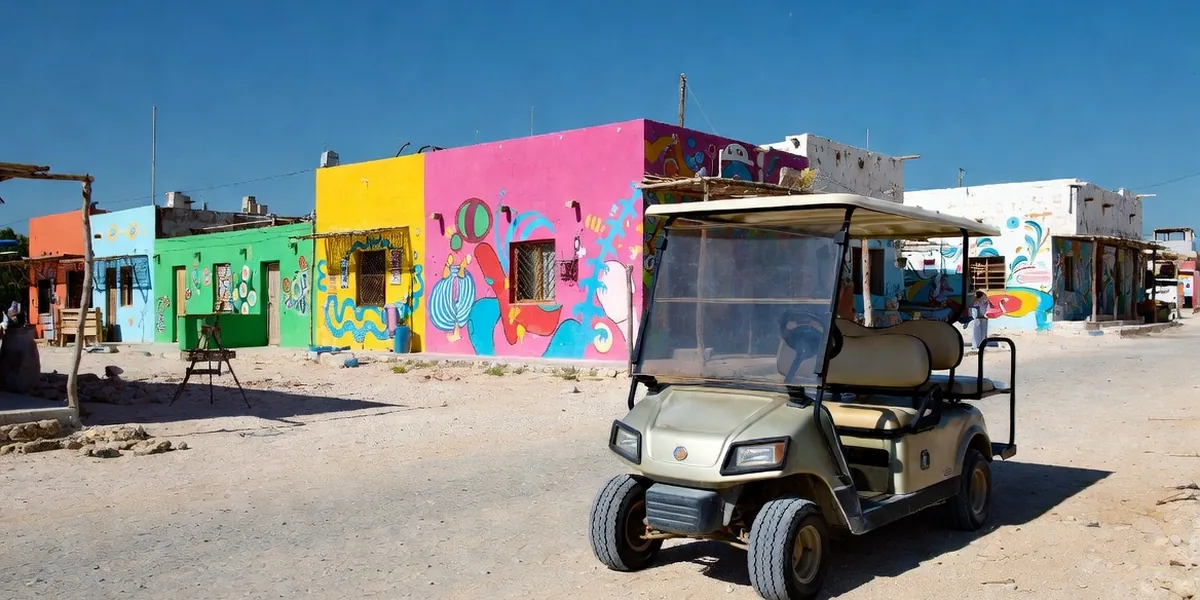
Holbox is not an activity-dense destination. It is a low-car, low-infrastructure island where a significant portion of the appeal is the absence of things to do by obligation. That said, what is here is exceptional — including one of the most extraordinary wildlife experiences in Mexico and one of the most consistent bioluminescence displays on the continent.
The whale shark swim is the headliner — and it delivers. Seeing a 10-meter whale shark surface next to your boat is not something you forget. But the bioluminescence tour is the one that surprises people. Paddle out into dark water, drag your hand through it, and it lights up neon blue. Book the bio tour for a moonless night in a kayak, not a motorboat — the quiet makes it better. Beyond those two, Holbox rewards doing nothing. Rent a bike, ride to Punta Cocos for sunset, eat lobster pizza at a sandy-floor restaurant. That is the correct agenda.
Whale Shark Tours — June Through September
The aggregation of whale sharks in the waters between Holbox and Isla Mujeres is one of the largest in the world. From June through mid-September — peaking in July and August — hundreds of individuals gather in a feeding zone called Afuera, approximately 10 km northeast of the island, to feed on fish spawn and plankton concentrations. The largest individuals reach 12 meters.
Licensed tour boats from Holbox's main dock make the 45-minute crossing daily in season. The format: snorkel alongside the sharks in small groups, following strict regulations that prohibit touching, flash photography, and getting in front of the animals. Sightings are near-guaranteed during peak season. Tours typically run $100–140 USD per person and include transport, equipment, a guide, and lunch.
Outside whale shark season, the same boats run fishing tours, snorkeling trips to shallow reef areas east of the island, and the combined "four-in-one" tours that visit flamingo habitat, the Yum Balam reserve, and open water spots in a single day.
The tours are regulated by group size and licensed operator capacity. In peak season they fill days or a week in advance. Book through Viator, GetYourGuide, or directly with an operator before you arrive — not on the morning you want to go. Operators: El Cuyo Tours and Holbox Dream are consistently well-reviewed. Holbox where to stay.
Book Tours on Holbox
Whale shark season runs May through September. Book your spot early on Viator.
Bioluminescence Tours
The Yalahau Lagoon on Holbox's south side contains one of the most reliable bioluminescence displays in Mexico. The phytoplankton (specifically dinoflagellates) produces blue-green light when disturbed by movement — paddle a kayak through it at night and the water glows with each stroke. Jump in and watch your body trail light.
Tours run year-round but are most vivid May through October when warmer water temperatures increase phytoplankton concentration. No-moon nights produce the clearest effect — check the lunar calendar before booking. Most tours last 1.5–2 hours, cost $25–40 USD per person, and depart around 8–9 PM.
Important: do not apply bug spray or sunscreen before going in the water — the chemicals kill the phytoplankton and reduce the display. The lagoon has mosquitoes. This is a genuine trade-off. Most people accept it.
Punta Mosquito — Flamingo Walk
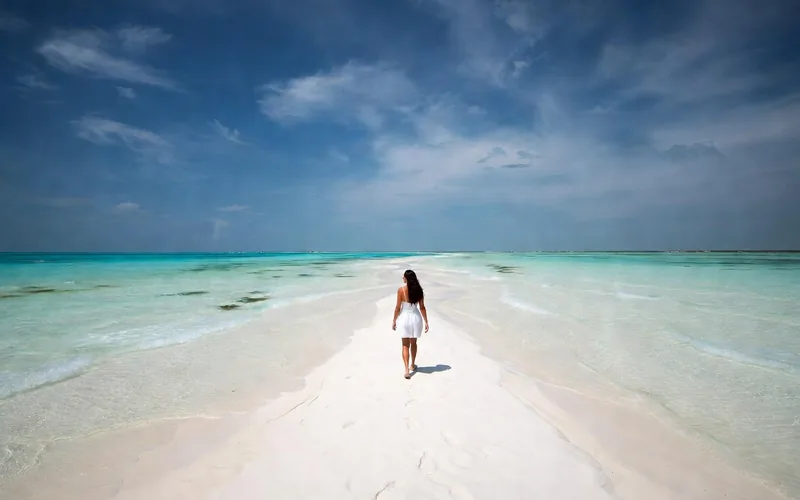
The eastern tip of the island, about 2.5 km from town, has a sandspit extending into the lagoon where flamingos feed in the shallow flats. In dry season (November–April) the concentration is highest — sometimes dozens to over a hundred birds visible in a single view. The walk from town along the beach takes 30–40 minutes. Bring water and go at sunrise or late afternoon for the best light and the most active flamingo feeding. See the beaches guide for the logistics.
Kite Surfing
Holbox is one of the better kite surfing spots on the Gulf coast of Mexico. The flat, shallow lagoon water and consistent trade winds from November through May create good conditions for both learning and experienced riders. Several schools and rental operations are based on the island's southern (lagoon) side.
For beginners: a 3-day introductory course runs $300–450 USD and teaches the basics in shallow water where falling is low-risk. For experienced kiters, Holbox's flat water is a genuine draw — the lagoon allows riding in waist-deep water across long stretches without reef or boat traffic concerns.
Yum Balam Biosphere Reserve
Holbox sits inside the Yum Balam Area of Protection of Flora and Fauna, a federal biosphere reserve covering over 150,000 hectares of ocean, lagoon, and mangrove. The reserve protects manatees, crocodiles, multiple dolphin species, and an extraordinary variety of bird life alongside the whale shark and flamingo populations. Boat tours into the mangrove channels of the reserve are available from most tour operators in town — a full-day version that includes the mangroves, bird watching, and a stop at the freshwater spring at Isla Pájaros (Bird Island) is worth the half-day it requires.
Golf Cart Loop of the Island
Rent a golf cart ($40–70 USD/day) and drive the sandy perimeter tracks. The main route runs east to Punta Mosquito and west toward Punta Coco. The roads are unpaved and sandy — standard golf carts handle it fine. The loop gives you the flamingo point, the isolated western beaches, and a picture of how much of the island remains genuinely empty. Allow a half-day with stops.
Eating and Drinking
The restaurant scene on Holbox is better than the island's size would suggest. The main street (Avenida Tiburón Ballena) and the beach front have a concentration of restaurants, bars, and beach clubs. Lobster pizza at Las Panchas is the signature Holbox dish — a local invention that is either delightful or strange depending on your position on mixing ingredients, but which is worth trying once.
El Chiringuito on the beach is the reliable spot for fresh ceviche and cold beer with the best view in town. For something more serious, Vivo Holbox does a good dinner menu with fresh catch. Prices are higher than mainland Mexico — plan for $15–25 USD per person for a full meal at a restaurant, more at the beach clubs.
Frequently Asked Questions
Depends on what you want. For whale sharks: June–September (July–August peak). For flamingos: November–April. For calm weather and lower prices: October–November and April–May (shoulder seasons). December–January is peak season: best weather, most crowds, highest prices.
Both. The aggregation point is roughly equidistant — about 10 km from each island. Tours operate from both. Holbox boats are generally smaller and the experience is more intimate. Isla Mujeres tours are more organized and have more operators to choose from.
Not every night. The strongest displays occur on moonless nights with warm water — May through October gives the best conditions. Rain and wind can reduce visibility. The tours run year-round but operators know which nights are not worth going and will tell you honestly.
Yes, the Yum Balam reserve has a resident crocodile population in the mangrove channels. They are not a threat to visitors on organized tours or in the main swimming areas. If exploring mangrove channels by kayak independently, stay aware and keep distance from dense vegetation at water level.
More on Isla Holbox: