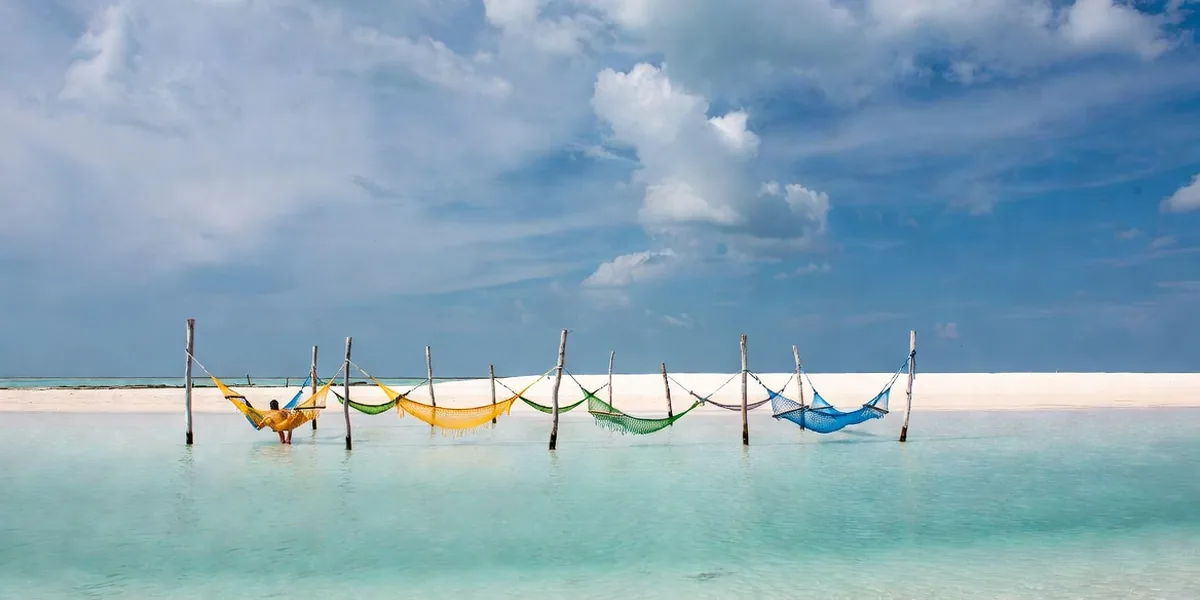
Isla Holbox — The Complete Guide
42 km of barrier island at the tip of the Yucatán. No cars, whale sharks in season, bioluminescent water at night. Everything the Riviera Maya resort corridor is not.
Plan the trip: bioluminescence nights, whale shark tours, and nightlife and the glowing sea.
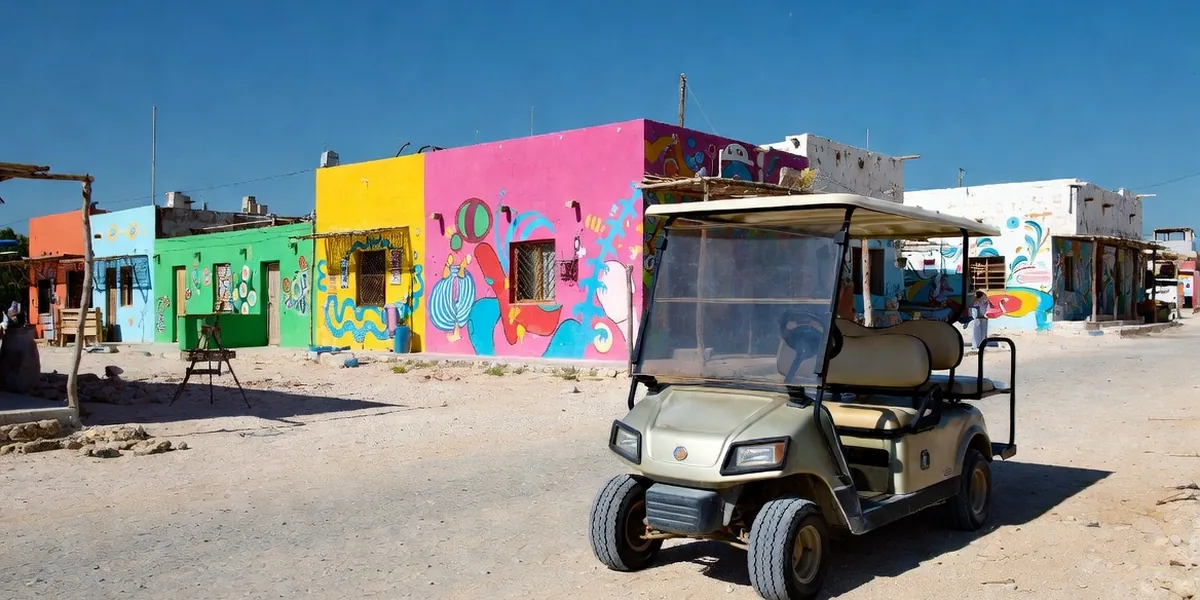
Isla Holbox is a 42-km barrier island off the northern tip of the Yucatán Peninsula, separated from the mainland by the shallow Yalahau Lagoon. There are no cars — electric golf carts and bicycles move people around sandy streets. There are no chains, no all-inclusives, and no high-rise hotels. The electricity was unreliable until relatively recently. The island sits where the Gulf of Mexico and Caribbean Sea meet, which produces a particular mix of wildlife: whale sharks aggregate offshore from June through September, flamingos feed in the western lagoons, and the phytoplankton that creates bioluminescent water at night is some of the most consistent in Mexico.
The honest trade-off is the water. Holbox faces the Gulf of Mexico side, not the open Caribbean — the water is shallow, greenish-clear, and silty in a way that is not ideal for snorkeling. It is not the turquoise Caribbean blue of Isla Mujeres or Tulum. Travelers who come expecting that will be disappointed. Travelers who come for everything else — the whale sharks, the bioluminescence, the flamingos, the no-car atmosphere, the sunsets over the lagoon — will understand immediately why Holbox has the reputation it has.
Holbox was discovered by slow travelers in the 2000s and by Instagram in the 2010s. High season brings real crowds to the main street and the town beach. The island's western end near Punta Coco is still genuinely quiet. The 'secret island' framing is 15 years out of date — come with accurate expectations and you will not be let down. Holbox beaches guide.
Holbox is the most unusual island in the Mexican Caribbean — and I say that knowing Cozumel and Isla Mujeres. No cars, no chains, sandy streets, and the water is not the turquoise you expect. It is green and shallow because the Gulf of Mexico meets the Caribbean here. That is also why the whale sharks come, why the bioluminescence works, and why the flamingos hang out in the western lagoons. It is not a beach destination — it is a wildlife destination that happens to have a beach. Go between June and September for whale sharks. Go any other time for the quiet.
Explore Isla Holbox
4 guides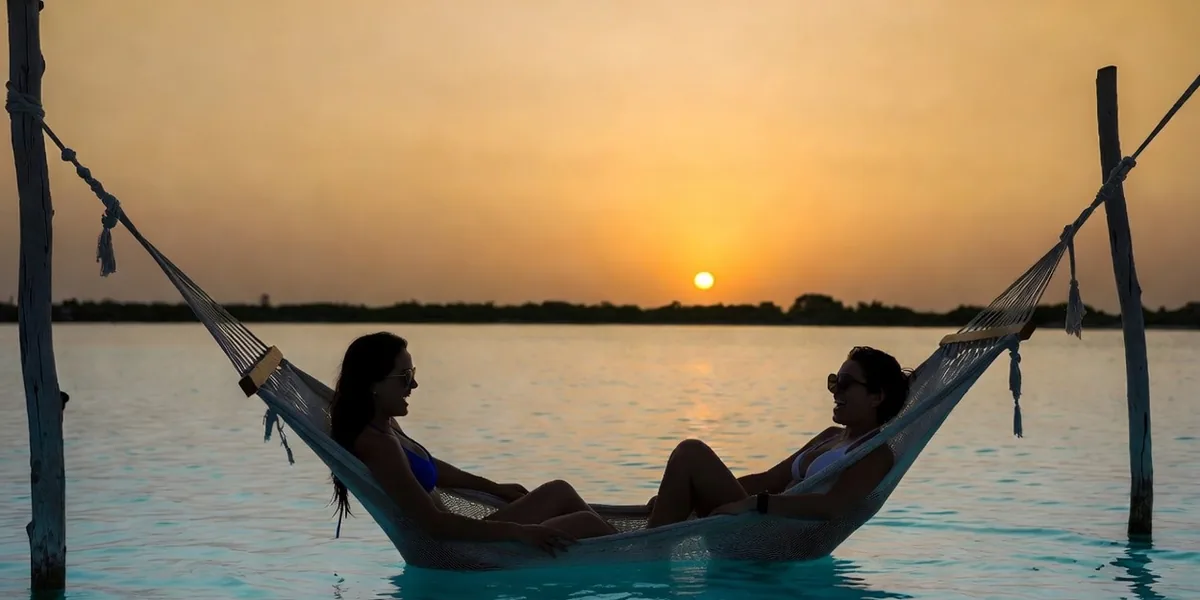
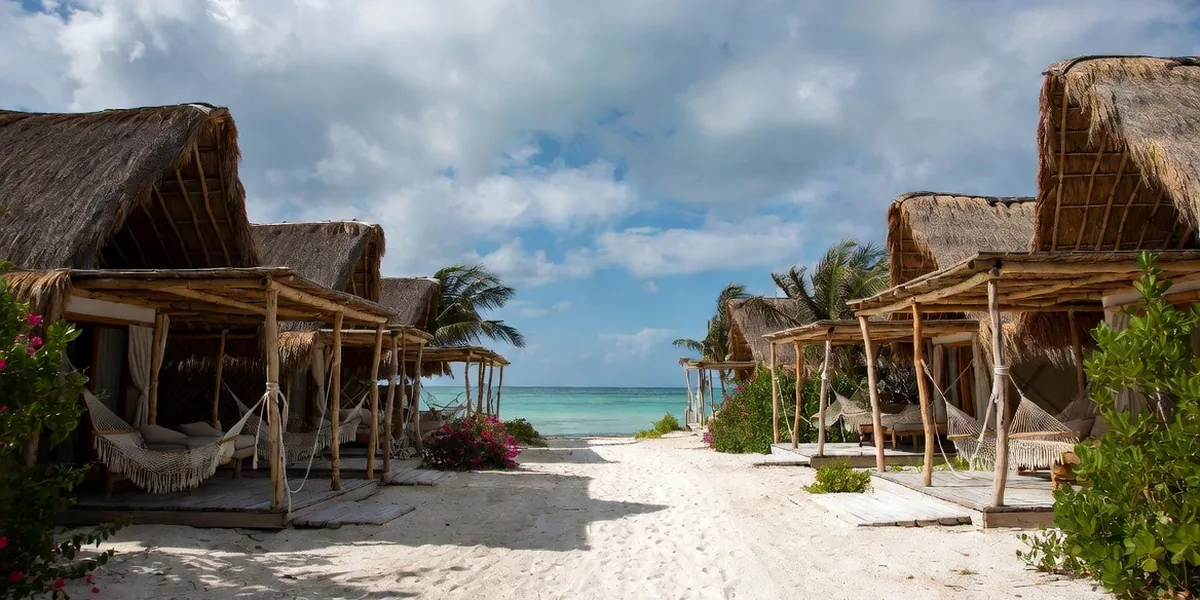
Tours and Experiences on Holbox
Whale shark season runs May through September. Book your spot early on Viator.
Getting There
No cars are permitted on Isla Holbox for visitors. Golf cart rentals are available at the ferry dock and throughout town — $40–70 USD per day depending on season. Most of the main town is walkable from the dock. For reaching Punta Mosquito (flamingo lagoon) or the western beaches, a golf cart or bicycle is the practical option.
Frequently Asked Questions
Yes — with one honest caveat: the water is not the transparent blue Caribbean of Tulum or Isla Mujeres. The Gulf of Mexico side produces greenish, silty, shallow water that is not a snorkeler's paradise. What Holbox offers instead is better: no cars, bioluminescent water at night, whale sharks in season, flamingos visible from the beach, and an atmosphere that the Riviera Maya lost years ago. Come for all of that, not for the water color. Mr. Playas says yes — but only if you are comfortable with sandy streets, limited electricity, and a beach that is green, not turquoise. If that sounds like a feature and not a bug, you will love it.
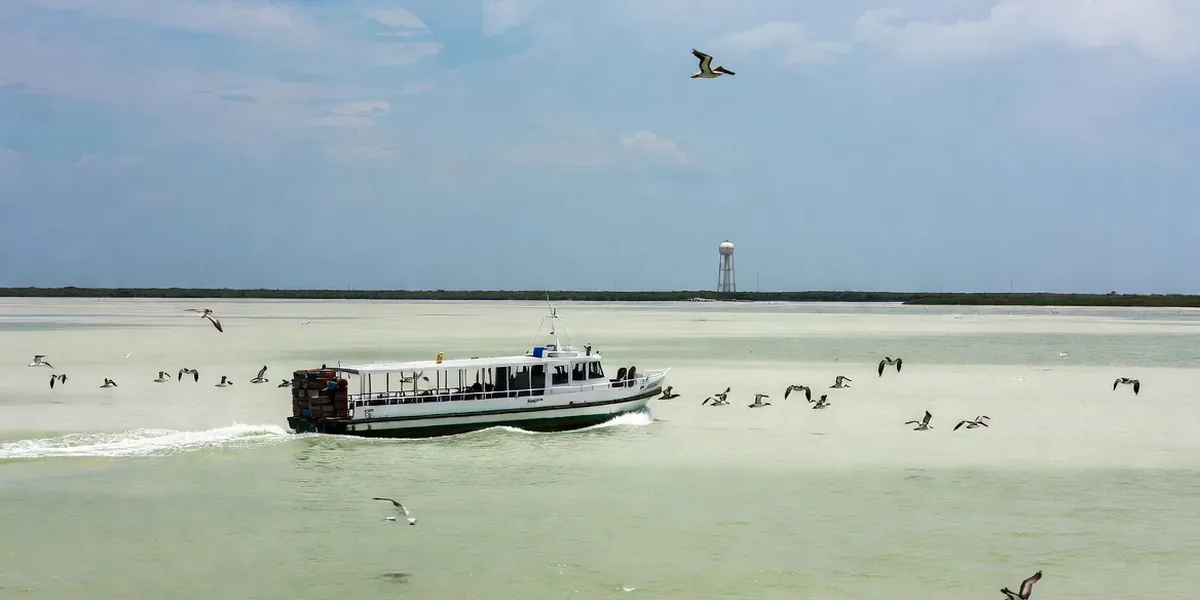
Drive or take a bus to Chiquila on the mainland — about 3 hours from Cancún on Highway 180 north toward Valladolid, then north again. From Chiquila, a 20-minute ferry crossing reaches the island. Ferries depart frequently from 6 AM to around 10 PM. Cars are not permitted on Holbox — leave the vehicle in the Chiquila parking lot.
June through mid-September, peaking July–August. The aggregation point is about 10 km offshore to the east. Licensed tours from Holbox's main dock run daily in season and include transport, snorkel equipment, and a guide. Near-guaranteed sightings in peak season. Book ahead in July and August — group sizes are regulated.
Yes, and it is among the more reliable bioluminescence in Mexico. The shallow lagoon system around the island has consistent phytoplankton activity that glows when disturbed. Night kayak and boat tours operate year-round, with the most vivid displays during warmer months (May–October). No moon nights produce the best effect — check the lunar calendar before booking.
Yes. Holbox is consistently one of the safer destinations in Quintana Roo. It is a small island with a strong local community, no vehicle traffic, and a tourism infrastructure that has developed around independent travelers. Standard Mexico precautions apply, but Holbox has not had the security incidents that affect some mainland destinations.
It depends on when you arrive and where you set expectations. High season (December–January, July–August) brings real crowds to the main street and the beach in front of town. The western end of the island near Punta Coco remains genuinely quiet. The atmosphere is still noticeably more relaxed than Tulum or Playa del Carmen — but Holbox has changed since its off-the-beaten-path era and pretending otherwise is dishonest.
Three to four days is the sweet spot. Two days is enough to cover the main beach, a sunset, a bioluminescence tour, and the flamingo lagoon walk. Four days lets you slow down — which is the right way to be on Holbox. More than five days and most travelers start wanting more variety than the island provides.