Beaches in Mazatlán
By Mr. Playas · Updated 2026
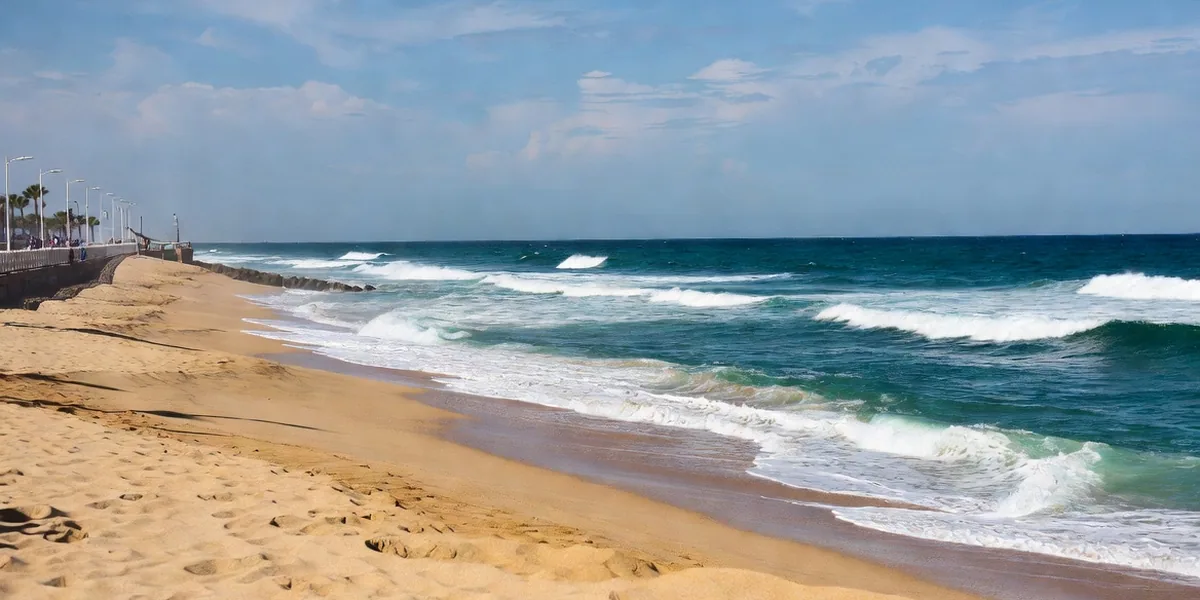
Mazatlán's coastline runs 21 km from the rocky Olas Altas neighborhood in the south to the quieter northern sections above Zona Dorada. The beach is continuous — you can walk the entire length along the malecon or the sand — but the character changes significantly by zone. The Pacific here has real wave action: this is not the protected Caribbean of Cancún. The water is warm, the sand is golden, and the Pacific swell means swimming requires attention to conditions.
Playa Olas Altas — Historic South End
The original Mazatlán beach, flanked by the historic Centro neighborhood and the Victorian-era malecon. Olas Altas (literally "big waves") lives up to the name — the swell here is consistent and sometimes significant, making it better for watching than swimming. The beach is not the widest in Mazatlán, but the setting is exceptional: the malecon curves above it, the El Mirador cliff-diving platform is here, and the backdrop is the preserved 19th-century city rather than hotel towers.
This is the beach for travelers staying in Centro Histórico who want an evening walk and a dramatic Pacific view. Serious swimmers should head north.
Verdict: The historic beach. Steps from Centro Histórico — small, characterful, and where the locals actually hang out.
Playa Gaviotas — Zona Dorada Main Beach
The central beach of Zona Dorada and the most developed stretch in Mazatlán. Wide, accessible, lined with beach vendors, jet ski rentals, and the bars and restaurants of the hotel strip directly behind it. The water is swimmable when swell is moderate — Pacific caution applies regardless, and conditions vary day to day.
This is the right beach for travelers who want full service — food and drinks within steps of the sand, water sport rentals, and the social energy of Mazatlán's main tourist zone. It is also the most crowded beach in the city. Arrive early in peak season for a good spot.
Verdict: The tourist strip. Bigger sand, more vendors, more infrastructure. Fine for a day; Olas Altas has more soul.
Playa Sábalo — North of Zona Dorada
Immediately north of the Zona Dorada strip, Playa Sábalo is wider, slightly less busy, and backed by a mix of high-rise hotels and residential development. The beach here is among the widest in Mazatlán and the sand quality is good. Several of the better resort hotels have their beach access here. For travelers staying at the northern end of the hotel zone, this is the home beach.
Playa Brujas — North End, Quieter
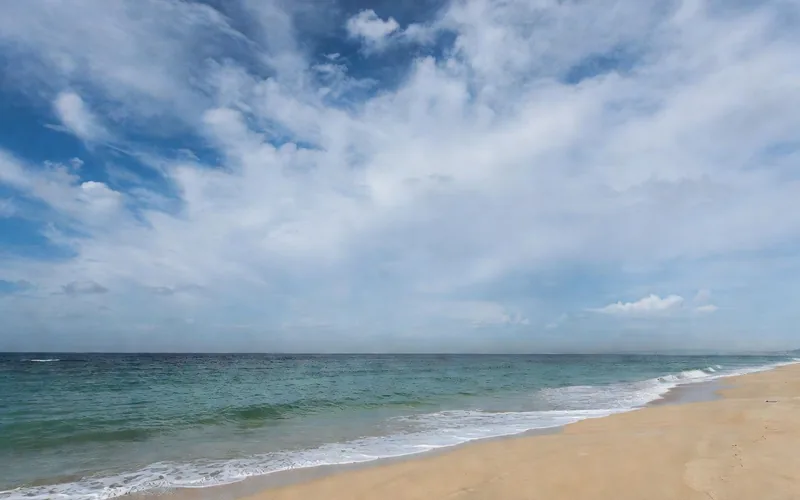
Further north past the main hotel concentration, Playa Brujas has a different character — local families, fewer tourists, a handful of palapa restaurants serving ceviche and cold beer at prices that reflect the absence of tourist markup. The beach is wide and the waves are consistent. On weekends this fills with Mazatlán locals, which gives it a more authentic feel than the Zona Dorada strip. Worth a taxi ride north for an afternoon.
Mazatlán's beaches face the open Pacific. The swell and current conditions vary significantly day to day and by season. Green flag days are calm and safe for swimming. Yellow flag means caution — experienced swimmers only. Red flag means stay out. The flags are posted at main beach access points. Do not ignore them — Pacific riptides are real and rescue services have limits. .
Isla de la Piedra — The Hidden Beach
A barrier island just south of the city accessible by a 5-minute water taxi from the port area (El Dique pier, $2 USD each way). Isla de la Piedra has a long, relatively empty Pacific beach backed by palm trees — considerably less developed and less visited than the Zona Dorada strip. A row of palapa restaurants on the beach serves fresh fish, shrimp, and cold beer.
This is the beach Mr. Playas sends people to for a half-day away from the hotel zone. The water taxi runs regularly. Pack water and sunscreen — the facilities are minimal. Swimming conditions are the same Pacific caution as everywhere on the coast. The palm-backed setting is the best visual of any beach in Mazatlán.
Stone Island vs Zona Dorada — Which to Choose
The simple framework: Zona Dorada beaches for convenience, amenities, and staying close to the hotel zone. Isla de la Piedra for atmosphere, local food, and a less developed experience. Both are worthwhile on a multi-day visit. The malecon walk connecting Olas Altas to Zona Dorada is one of the better urban beach walks in Pacific Mexico and should be done at least once, preferably at sunset.
Frequently Asked Questions
For swimming and facilities: Playa Gaviotas in Zona Dorada. For atmosphere and local character: Isla de la Piedra. For the historic setting: Olas Altas, though swimming is rougher here. For quiet and space: Playa Brujas in the north.
On green and yellow flag days, yes — with Pacific caution. The swell and current are real. Children should swim in designated areas with lifeguard presence. Red flag days mean no entry regardless. Check the flags at the beach access points before entering the water.
Water taxi from El Dique pier in the southern port area of Mazatlán — approximately $2 USD each way, 5-minute crossing, boats run throughout the day until early evening. Taxis from Zona Dorada to El Dique pier: $5–8 USD.
Mazatlán is on the Pacific coast, not the Caribbean, so it does not have the sargassum seaweed problem that affects the Riviera Maya and Cancún. This is one of the practical advantages of Pacific Mexico beaches.
More on Mazatlán: