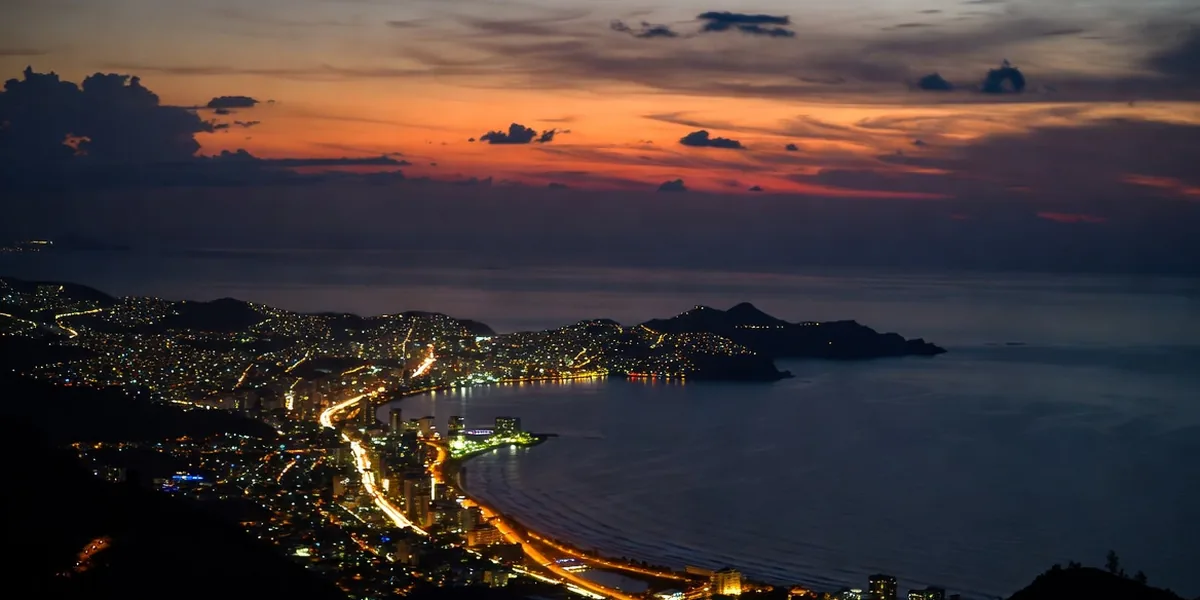
Every Acapulco guide written for Americans faces a choice: mention the advisory in a footnote, or lead with it. We lead with it. The US State Department holds Guerrero, Acapulco included, at its most severe travel advisory level, and this page treats that as the first fact of the destination, not an inconvenience to the word count. What follows is the honest version of a city that remains Mexico's beloved domestic resort — millions of national tourists, the cliff divers still diving, the bay still one of the most beautiful natural harbors on earth — written for the readers who will weigh the risk like adults either way.
The advisory, plainly: Guerrero carries the US government's Do Not Travel designation, and unlike some blanket state advisories, Acapulco itself is inside the concern, not an exception to it. Most visitors are Mexican nationals; most trips are uneventful; the risk is nonetheless real and above the Mexican-resort baseline. If that ends the conversation for you, that is a legitimate reading of this page — Ixtapa-Zihuatanejo up the coast offers Guerrero's beauty with calmer math.
What Acapulco Still Does Better Than Anywhere
| Experience | 2026 cost | The draw |
|---|---|---|
| La Quebrada cliff divers | Small plaza fee, or drink minimum | The torchlight dive — still singular |
| Bay paddle boarding | ~$25 | Glassy mornings on a giant natural harbor |
| Caleta + Isla Roqueta | Boat fare + lounger lunch | Old Acapulco, still running |
| Bay diving | $80–110 two tanks | Wrecks and rock reefs, warm year-round |
| Pie de la Cuesta sunset | Taxi + a beer | The best sunset on the Pacific coast |
The divers are the reason Acapulco entered the world's imagination, and eighty-plus years on, the torchlight show still delivers a jolt no infinity pool can. The traditional zone around them — Caleta, Caletilla, the boats to Roqueta — is where the city's domestic love affair lives, largely intact through everything the last years threw at it. On the water, the bay's morning calm makes it the paddle boarding capital of the Pacific coast, and it is telling that the single most-booked activity in the city costs twenty-five dollars.
After Otis
Hurricane Otis in October 2023 remains the dividing line in any current description of the city: a Category 5 arriving with almost no warning, gutting the modern hotel zones. The recovery has been real and uneven — the traditional zone and the beaches returned first, hotel stock reopened in waves through the following years, and construction remains part of the skyline. The practical rule for 2026: verify any specific hotel is operating and reviewed recently, and expect the Diamante zone to feel newer and patchier than the postcards.
How Visitors Who Go Actually Navigate It
The pattern among experienced visitors and the domestic majority: stay in the tourist corridor — traditional zone, Costera, Diamante — move by registered taxi or booked transport rather than wandering between zones on foot at night, do activities through established operators, and keep the trip inside the visitor economy the city polices hardest. A cruise call, where some Panama Canal itineraries still stop, compresses all of that into a structured day and is candidly the lowest-commitment way to meet the city. None of this converts the advisory into a green light; it describes the difference between how the destination is used and how it is imagined.
Compare Acapulco Tours on Viator
Bay paddle boarding, cliff diver shows, Roqueta boats, and dive trips with established operators and free cancellation.
Frequently Asked Questions
Is Acapulco safe for American tourists in 2026?
Here is the unvarnished version: the US State Department keeps Guerrero — Acapulco included — at its most severe advisory level, and that is not a technicality. Acapulco today is overwhelmingly a domestic destination: millions of Mexican tourists, a fraction of the international visitors it drew in its heyday. Violence is concentrated away from tourist zones, but incidents have touched the city broadly enough that the advisory reflects real risk, not bureaucratic caution. If a US government advisory is a line you do not cross, this is not your trip — and this page will not pretend otherwise. If you go regardless, the guidance below is how visitors actually navigate it.
What are the La Quebrada cliff divers?
Acapulco's icon since the 1930s: professional divers launching from a 35-meter cliff into a narrow ocean channel, timing their leap to the incoming swell. Shows run several times daily and once after dark by torchlight. Watch from the public plaza for a small fee or from the terrace of the neighboring hotel with a drink minimum. It remains one of the great spectacles in Mexico, hurricane and headlines notwithstanding.
How did Hurricane Otis change Acapulco?
Otis hit in October 2023 as a Category 5 with almost no warning and wrecked the hotel zones, especially the Diamante high-rises. Recovery has run in waves since — beaches and the traditional zone came back first, hotel reopenings rolled through the following years, and reconstruction remains visible in places. Check that a specific hotel is genuinely operating, not just listed, before booking.
Which beaches are best in Acapulco?
Caleta and Caletilla in the traditional zone: small, calm, family-oriented coves that anchor the old Acapulco the domestic crowd loves, with boats shuttling to Isla Roqueta's snorkel spots offshore. The main bay beaches along the Costera are the classic hotel-strip sand. Pie de la Cuesta, northwest of town, trades swimmability for the best sunset on the Pacific and thundering shore break — look, do not swim.
What is worth doing in Acapulco besides the beach?
The bay itself: paddle boarding on the calm morning water is the top-booked activity in the city and costs about $25. Kayak trips to the El Morro islet, two-tank dives on the bay's wrecks and rock reefs, Isla Roqueta by boat, the cliff divers, and the fort of San Diego museum for the history of the Manila galleon port Acapulco spent three centuries being.
Do cruise ships still stop in Acapulco?
Some Panama Canal and Mexican Riviera repositioning itineraries call here, and the terminal sits usefully close to the fort and the traditional zone. A cruise call is, honestly, the lowest-commitment way to see Acapulco: structured hours, booked excursions with stated returns, and the cliff divers plus Caleta comfortably inside a port day.