Snorkeling in Cancún: Where the Reef Actually Is
By Mr. Playas · Updated 2026
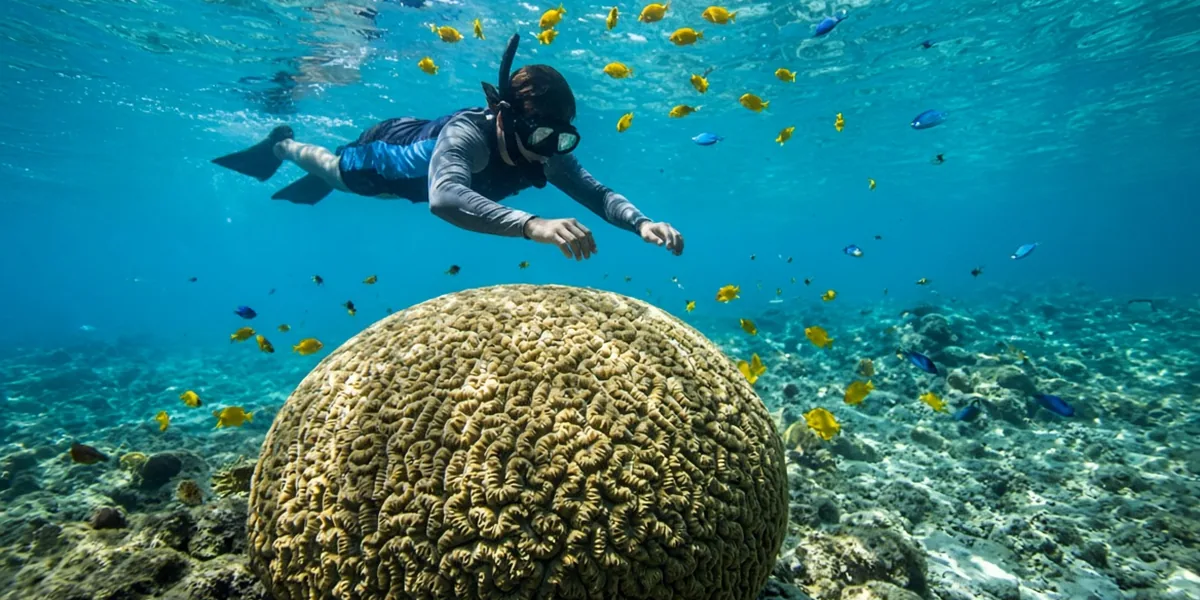
Cancún sits at the northern end of the Mesoamerican Reef, the second-largest barrier reef system in the world. That fact is used to sell a lot of snorkelling trips, and the honest position is more complicated: the reef closest to the Hotel Zone is the most damaged section of it, and the good snorkelling is 30 minutes to two hours away.
This is the ranked list of where to actually go, what each trip costs in 2026, and how to avoid the mass-market boats that anchor 40 people over a bleached patch and call it a reef tour.
1. Puerto Morelos Reef National Park — The Best Value
Thirty minutes south of Cancún, Puerto Morelos has the closest healthy reef to the city and a national park protecting it since 1998. The reef line sits roughly 500 metres offshore, which means a ten-minute boat ride rather than an hour, and the protection has kept coral cover meaningfully better than anything north of it.
Trips run from the town pier with licensed local cooperatives. Expect two reef stops, about 90 minutes in the water, and 45 to 70 USD including gear and the park fee. Boats are small and groups are capped by the park.
Puerto Morelos is also just a better town than the Hotel Zone. See the Puerto Morelos guide.
2. MUSA and Punta Nizuc — The Convenient One
The Museo Subacuático de Arte places more than 500 concrete sculptures on the sea floor between Cancún and Isla Mujeres. The snorkel-accessible Punta Nizuc gallery sits at 4 to 8 metres at the southern tip of the Hotel Zone; the deeper Manchones gallery near Isla Mujeres is diver territory.
Manage expectations: the sculptures are now heavily encrusted with coral and algae, which is the entire ecological point of the project and not what the marketing photos show. Visibility in the Nizuc channel is inconsistent.
Trips from the Hotel Zone run 60 to 90 USD. Worth it if you want something unusual and do not want to leave Cancún; not worth it if you came to see a reef.
3. Isla Mujeres — The Full Day
Catamaran days to Isla Mujeres bundle a reef stop, open bar, lunch, and beach time at Playa Norte. The snorkel stop is usually the Manchones reef or the MUSA sculptures, and it is typically 40 minutes of a nine-hour day.
Book this for the day out rather than for the snorkelling specifically. If snorkelling is the priority, take the ferry across independently and book a small-boat trip on the island — see the Isla Mujeres snorkelling guide and the catamaran comparison.
Book Reef and Snorkeling Trips from Cancún
Puerto Morelos reef cooperatives, MUSA sculpture tours, Isla Mujeres catamarans, and small-group boats — with live 2026 pricing and marine park fees stated up front.
4. Cozumel — The Best Water in the Region
Palancar, Columbia, and El Cielo are on a different level to anything on the mainland — 30-metre visibility on good days, healthy coral structure, and the drift conditions that made Cozumel a diving destination in the first place.
It is a long day from Cancún: 70 minutes to Playa del Carmen, 45-minute ferry, then the boat. Doable, but better as an overnight. See Cozumel diving and snorkelling, Palancar Reef, and El Cielo.
5. Akumal — Turtles, Not Reef
Ninety minutes south, Akumal Bay is a protected horseshoe with a resident green turtle population feeding on seagrass. Shallow, calm, and the most reliable wild turtle snorkelling in Mexico. Access is zoned and guided under CONANP rules. See the Akumal guide for the current regulations and costs.
6. Cenote Snorkeling — The Freshwater Option
Completely different experience: freshwater, no fish to speak of, and visibility that runs to 50 metres. Dos Ojos, Gran Cenote, and Casa Cenote are the snorkel-friendly ones. Bring a wetsuit top if you feel cold easily — the water sits around 24°C and feels colder without salt. See the cenotes hub and Gran Cenote vs Dos Ojos.
Large catamarans that anchor 40 or more people over a single shallow patch near Punta Nizuc, sell an open bar before the snorkel stop, and provide a 20-minute swim. Cheap, popular, and consistently the worst snorkelling sold in Cancún. The tell is a boat capacity over 30 and alcohol served before the water. What else is worth booking.
Conditions by Month
- December–April: the best window. Calm seas, best visibility, no sargassum. Water around 25–26°C.
- May–August: warmest water at 28–29°C, but sargassum season affects surface conditions and nearshore clarity on east-facing coast. Whale shark season starts in June.
- September–November: hurricane season peak, most cancellations, most rain-driven runoff. Also the emptiest and cheapest.
- Any month: book morning departures. Wind builds after 11 AM and surface chop kills visibility.
Reef Etiquette That Is Actually Enforced
- Biodegradable sunscreen only. Oxybenzone-based sunscreen is banned in the marine parks and guides do check. Apply 20 minutes before, or wear a rash guard instead.
- Do not touch or stand on coral. A single fin kick removes years of growth, and park fines are real.
- Do not touch or lift turtles or starfish. Lifting starfish out of the water kills them. Operators at El Cielo and Akumal now enforce this.
- Stay with the guide. In the national parks, unguided swimming outside marked zones is a violation, not a preference.
- Use a float vest if you are not a strong swimmer. Reef trips have current, and the boat is often 100 metres away.
Rental masks are the single biggest cause of a ruined snorkel trip — bad seals, fogged lenses, and stretched straps. A mask and snorkel that fit your face cost 30 to 50 USD and pay for themselves on the first trip. Operators supply fins and vests just fine. Cancún things to do.
Frequently Asked Questions
Puerto Morelos Reef National Park, 30 minutes south, has the healthiest reef within easy reach and a ten-minute boat ride. Inside Cancún, Punta Nizuc and the MUSA sculptures are the accessible options. For the best water, Cozumel and Isla Mujeres justify the day.
Puerto Morelos reef trip 45–70 USD with gear and park fee. MUSA and Punta Nizuc from the Hotel Zone 60–90 USD. Isla Mujeres catamarans 75–130 USD. Cozumel reef trips 60–110 USD plus ferry. Marine park fees of 5–15 USD apply on most reef trips.
Not meaningfully. The Hotel Zone beaches are sand-bottomed with no reef close to shore. Real snorkelling near Cancún needs a boat, with the exceptions of Akumal Bay 90 minutes south and the shore entry at Puerto Morelos.
More than 500 concrete sculptures on the sea floor between Cancún and Isla Mujeres, placed to grow coral and take pressure off natural reefs. The snorkel-accessible Punta Nizuc gallery sits at 4–8 metres. The sculptures are heavily encrusted now, which is the point but surprises people.
December through April for calm seas, best visibility, and no sargassum. Morning trips beat afternoon trips year-round. Avoid the days right after heavy rain when runoff cuts clarity.
Yes, with the right trip. Puerto Morelos and Akumal are shallow, calm, and guided. Avoid drift snorkelling in Cozumel and any trip that drops you in open water from a large boat until you are comfortable with a mask and current.